
PHOTO
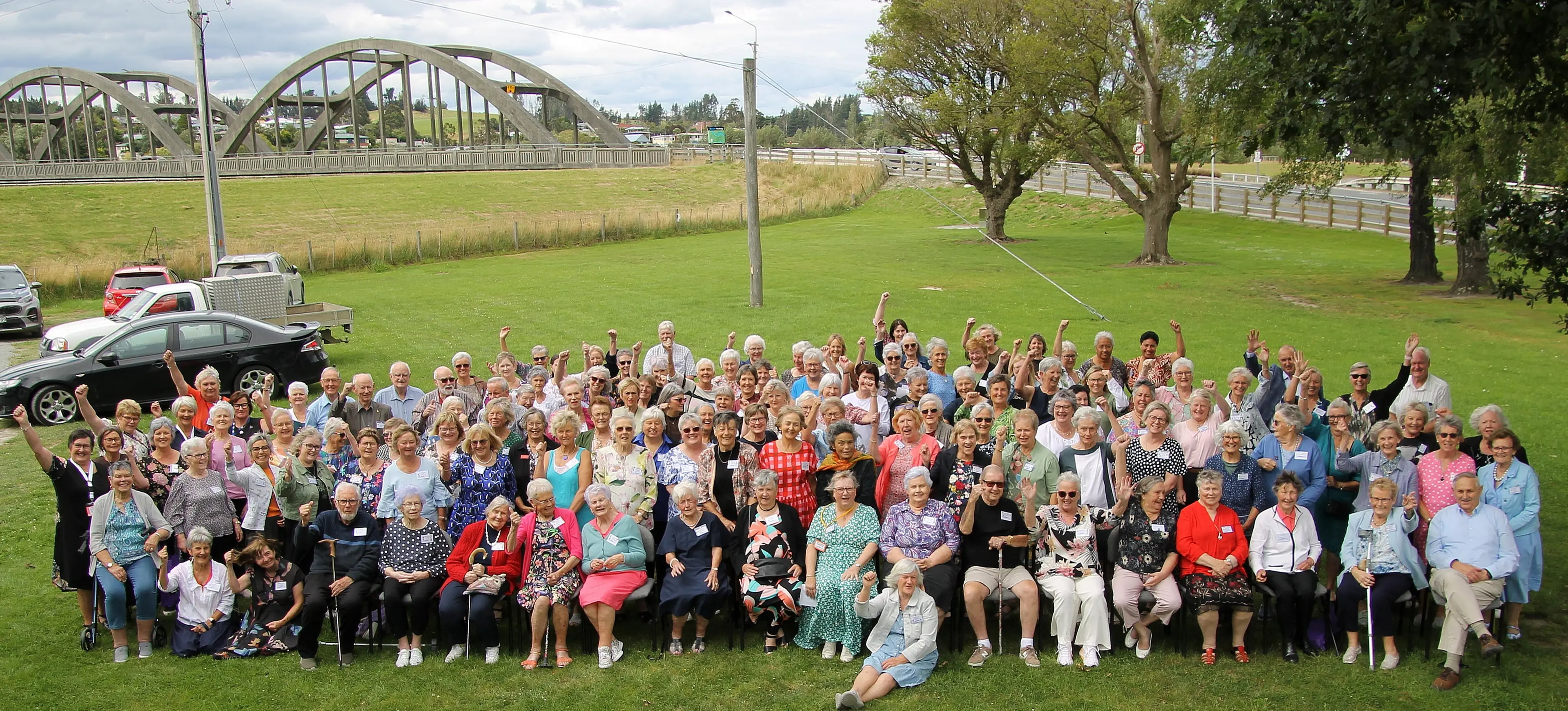
A history of community-led healthcare was on display in Clutha at the weekend.
About 135 former and current staff gathered for the Balclutha Hospital 100th anniversary reunion on Saturday.
The event, held at Balclutha’s Te Pou Ō Mata-Au/Clutha District War Memorial and Community Centre, celebrated a century of hospital healthcare in South Otago and highlighted the hospital’s legacy.
Opened in 1926, the hospital soon sprawled over acres of southwest Balclutha. It was a major facility with up to 120 beds and an in-house workforce of nurses, doctors and support staff ranging from boiler engineers to gardeners.
The reunion began with a children’s Pasifika kapa haka performance and introductions, followed by a fast, fun summary of hospital history by veteran Clutha doctor Branko Sijnja, originally from Holland.
"I came here first in 1973," Dr Sijnja said.
"Here we were, final-year students and covering Balclutha ... Scary? Crikey.
"The thing that I learned then from Balclutha is that I could do it.
"I could stand on my own two feet and practise medicine.
"It was bloody scary and I think it was extra scary for the patients. But most of the patients survived too."
Dr Sijnja regularly commutes from Dunedin to Balclutha’s main-street medical centre Clutha Health First, which he helped establish.
Now used as accommodation, the old hospital began with community advocacy in the 1920s sparked by inadequate services and tragic deaths and expanded through the 1950s and ’60s with surgical and maternity wings and a theatre block.
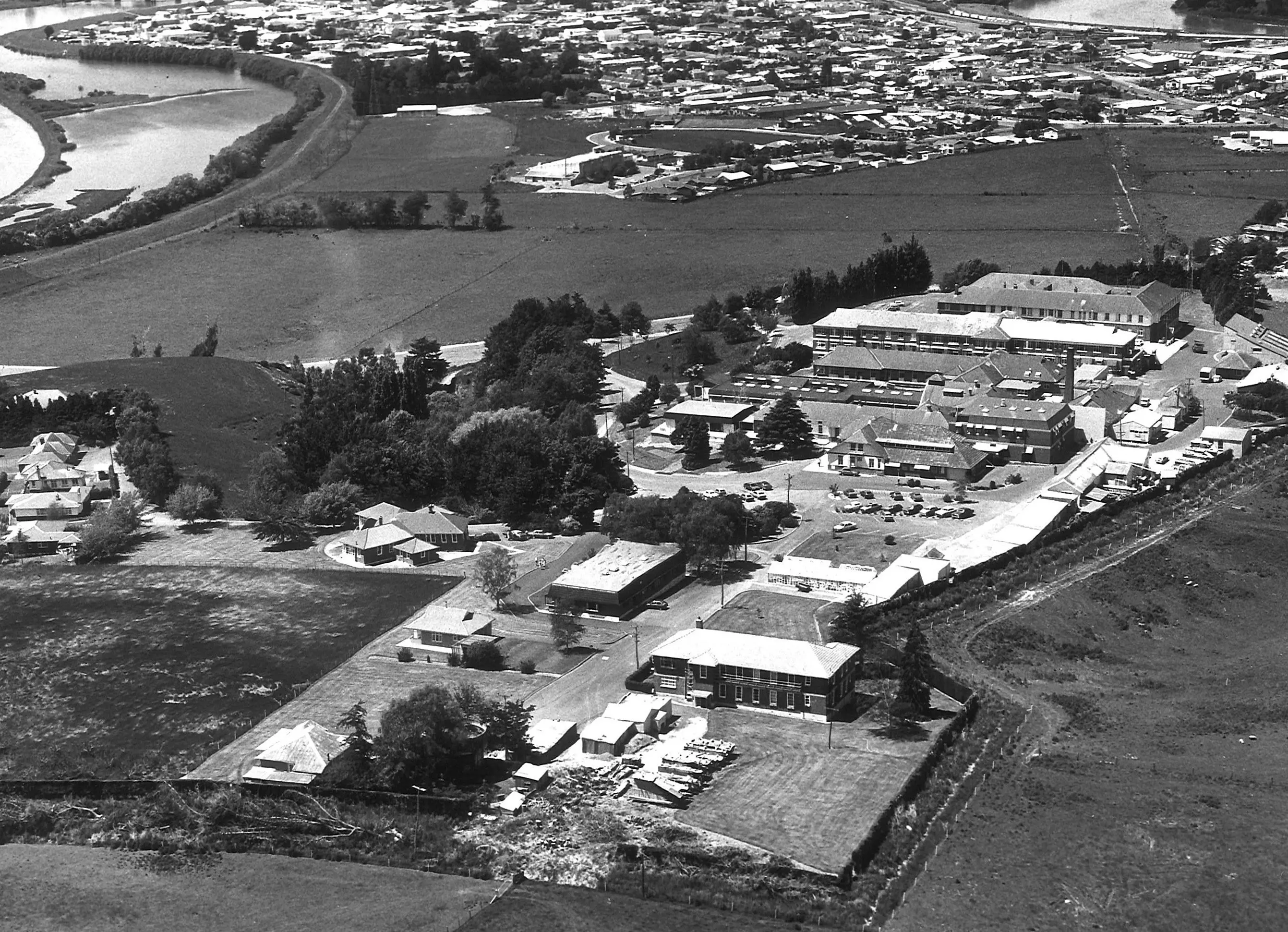
As provincial hospitals faced relegation from the 1980s, Balclutha innovated, becoming the leading centre for laparoscopy in the lower South Island.
Community protests peaked in 1992, when a 4000-strong march in Dunedin hijacked media coverage from the local festival, securing a temporary reprieve.
The operating theatre closed in 1996 and the hospital shut in 1998, transitioning to Clutha Health First.
The centenary reunion cake was cut by the oldest attendee, former nurse Dorothy Clark.
Born in Clutha, Ms Clark began training at the hospital in January 1951 and graduated in 1954.
She upskilled and pursued district nursing experience around New Zealand until 1959 when she married and started a family.
"It was on-the-job training," she said.
"We did three months in class, then we went for three months in a ward, and then another three months in class and three months in a different ward."
Attendees posed for scores of photos by era and role, before finger food and catch-ups around museum-style displays of vintage nurses uniforms and medical equipment.
"For me the highlight was meeting with work colleagues after many, many years and reminiscing of the old days up at the old hospital," reunion committee organiser Robyn Gouman said,
She was grateful to everybody who had made the event possible, and reiterated a theme of Dr Sijnja’s presentation.
"Community involvement has always driven Clutha’s health evolution," she said.