
PHOTO
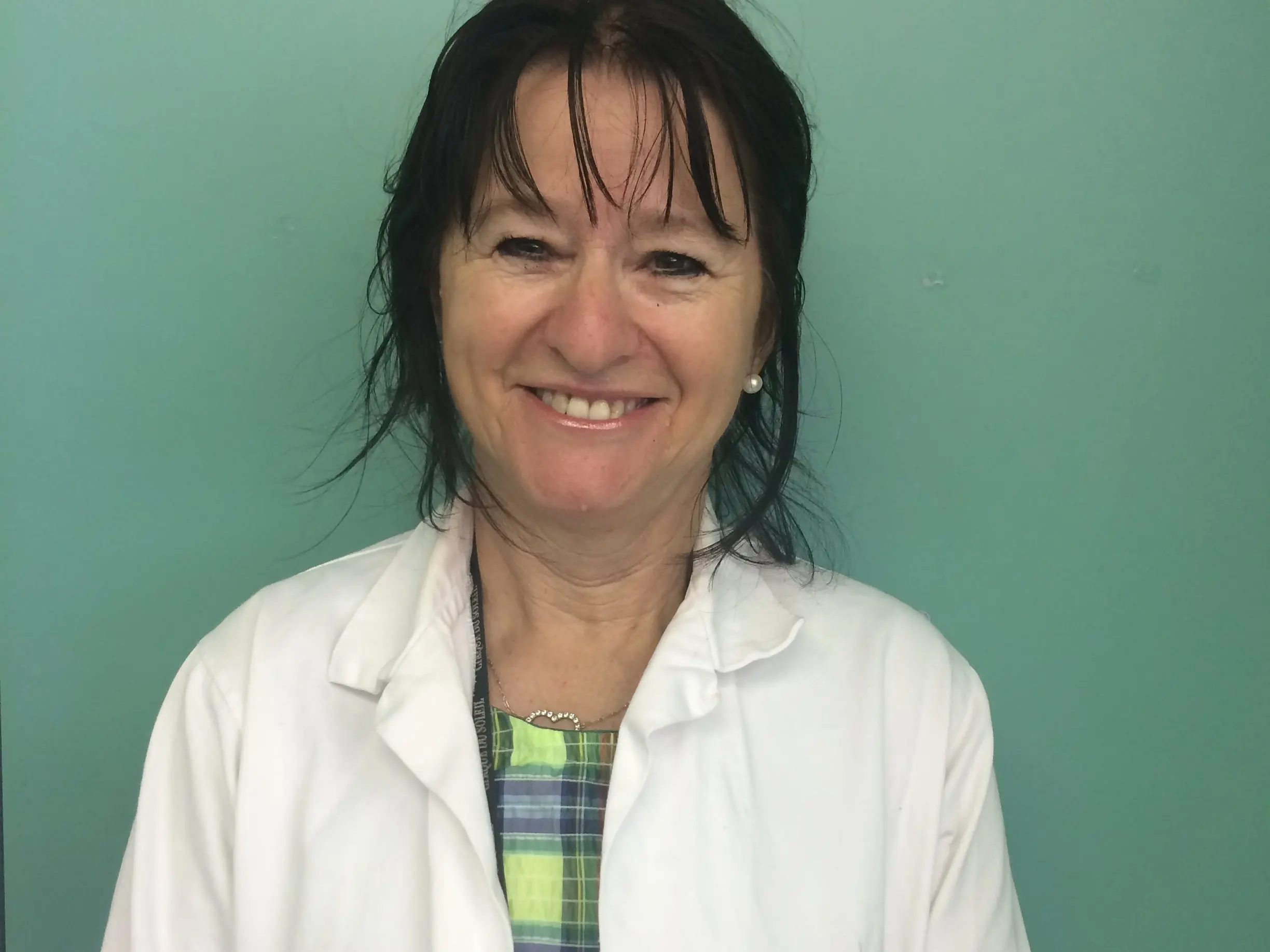
When she was younger, Caroline Oliver’s father told her she should not go to university, as she would just end up getting married and having children.
In a sense he was right.
She married a doctor and had three children.
But when her youngest child turned 5, she went on to complete her degree, become a clinical scientist and in turn develop a successful synthetic molecule that destroys harmful tumours, including cancerous ones.
The molecule developed by her and Kode Biotech coats cancer cells, making them targets for antibodies that all humans already have.
The process started an innate immune system attack, which destroyed the tumours.
"There will be no need for chemotherapy, no surgery, it is hugely disruptive technology and it could change a lot of lives."
The company sold the patent to big pharma, but bought it back during Covid and ongoing conflict in the Middle East, where the trials were being run.
They were reliant on the technology being picked up, but given its success in trials and also animals here in New Zealand, that would not be an issue, she said.
"As far as I know they are talking about it."
Dr Oliver is proud of the work she has done as a scientist, it was never her intention for her work to sit idle in a library.
"I chose a thesis that would be useful."
Dr Oliver kept her thesis certificate framed above the washing machine in the laundry, as a reminder of the path she chose.
"It is a deep psyche.
"We were a generation of women who weren’t expected to have careers and weren’t necessarily expected to keep working.
"I could have taken up golf."
She was proud of being a mother to three, a job she said was undervalued.
"I thought I don’t want my children to not know what I did and who I am."
Dr Oliver was also an active volunteer in the community.
"I like to be busy and there is always somewhere to help."
"I wanted to be the sort of person I am.
"I think you do choose to be who you are."
Caroline Oliver
Wānaka
MNZM
Cancer research and the community