
PHOTO
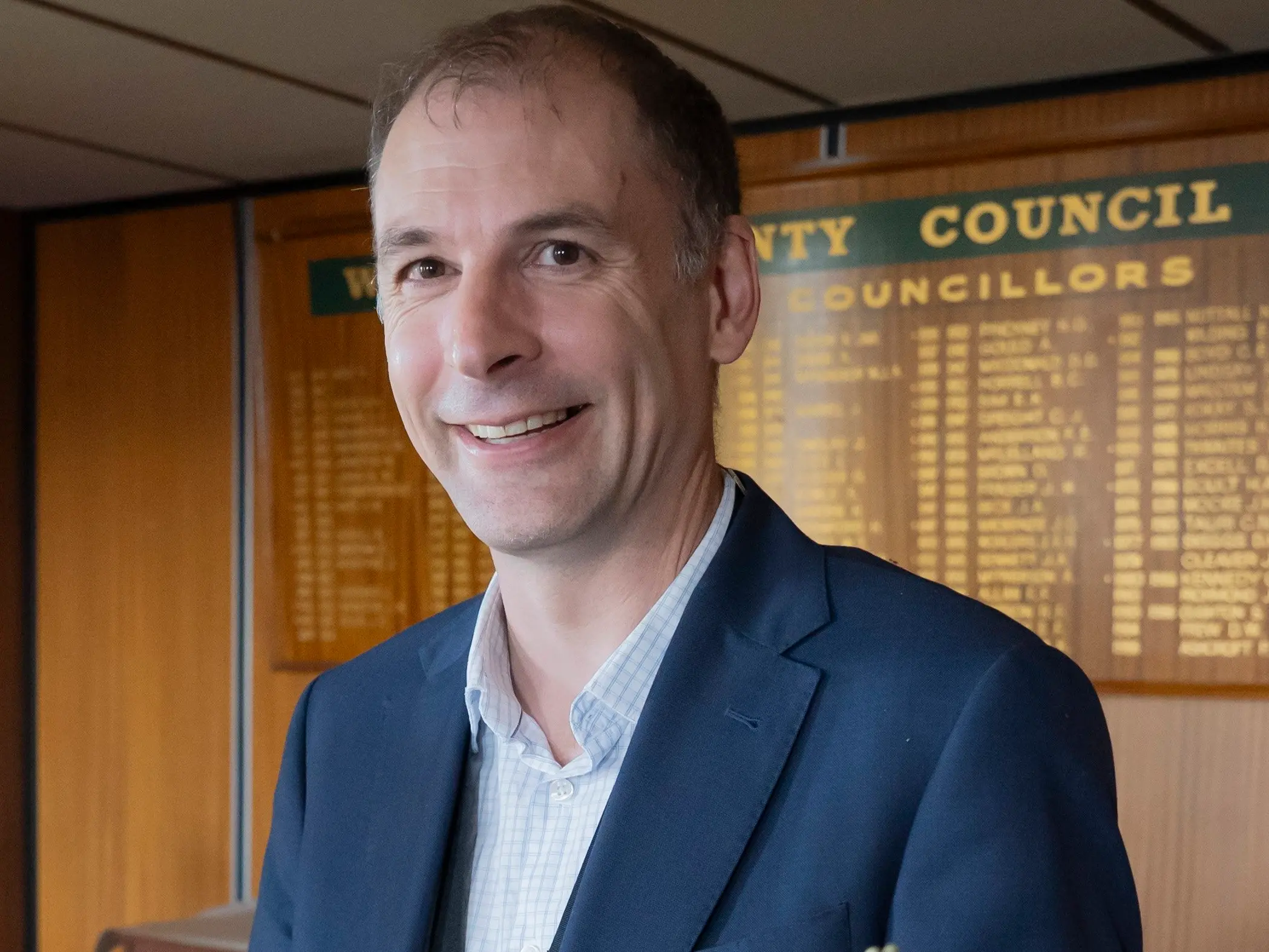
Southland Mayor Rob Scott has thrown his support behind in-person meetings amid growing concerns about the global fuel situation.
A report presented at a council meeting this week showed Mr Scott had attended 59 events or meetings from January 9 to April 16.
The report prompted deputy mayor Christine Menzies to ask if the council would assist the mayor with a charger for his hybrid car in an effort to help with fuel costs — something Mr Scott is keen for.
But when Cr Matt Wilson raised the matter of taking meetings online, Mr Scott was not so sure.

The mayor said he was impressed with a recent council meeting in Te Anau where he believed a total of four vehicles were used for staff and councillors.
‘‘I take your point, but also I think that the face-to-face is also equally important,’’ he said.
Mr Scott has since told Local Democracy Reporting he clocks up about 50,000km a year.
He confirmed the council would look into providing a charger for his work vehicle, which he believed he could charge at his Lumsden home for $3.
‘‘I mean obviously I always try to operate as efficiently as I can but it’s also really important that I get around the district and meet with people and do my job.
‘‘So if I can do that and save money and be more efficient then this is a good way to do that.’’
Fuel was a hot topic at Wednesday’s meeting, where unbudgeted expenditure of $250,000 was approved for power-generating fuel on Rakiura/Stewart Island alongside a $0.04 increase in kWh price.
Consultant Nathan Surendran also talked during public forum on the global fuel crisis, calling out a lack of discussion about the issue in recent meetings.
Mr Scott responded that although the situation was not being discussed publicly, work was happening behind the scenes.
On Thursday, the council released a statement saying it was monitoring fuel supply challenges with a special focus on essential services.
That included diesel for power generation on Rakiura/Stewart Island and treatment plants across the district.
Council staff had been encouraged to reduce fuel demand by sharing vehicles and using online meetings where appropriate, the statement said.
- Matthew Rosenberg, Local democracy reporter
LDR is local body journalism co-funded by RNZ and NZ On Air.