



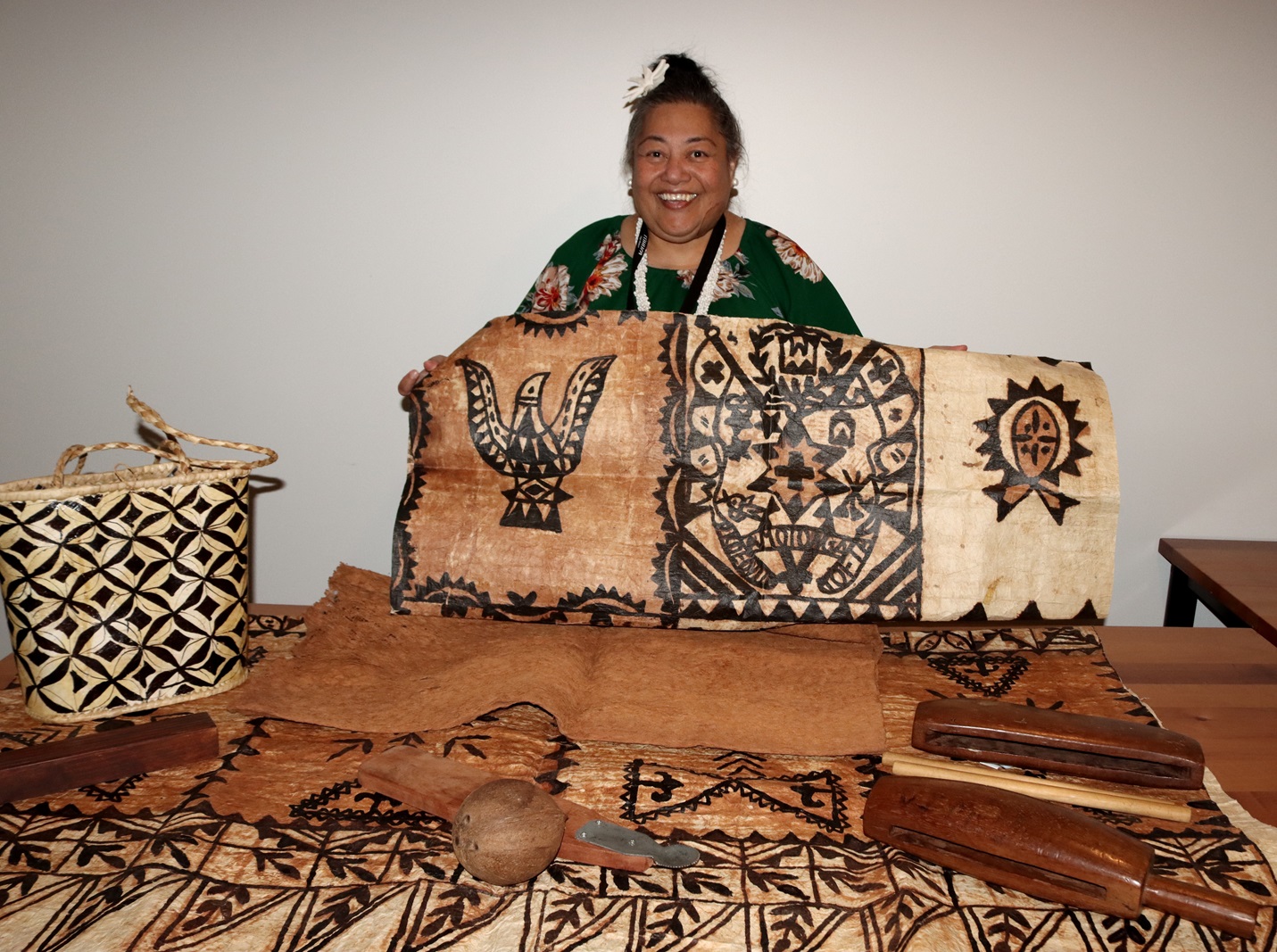
Tūhura Otago Museum is providing a chance for people to explore Pacific Island items in closer detail during the Moana Nui Festival 2026, which returns to Forsyth Barr Stadium on Saturday, March 28 from 10am to 4pm.
The public will be able to touch, view and learn from the objects, which will be used as ongoing educational resources.
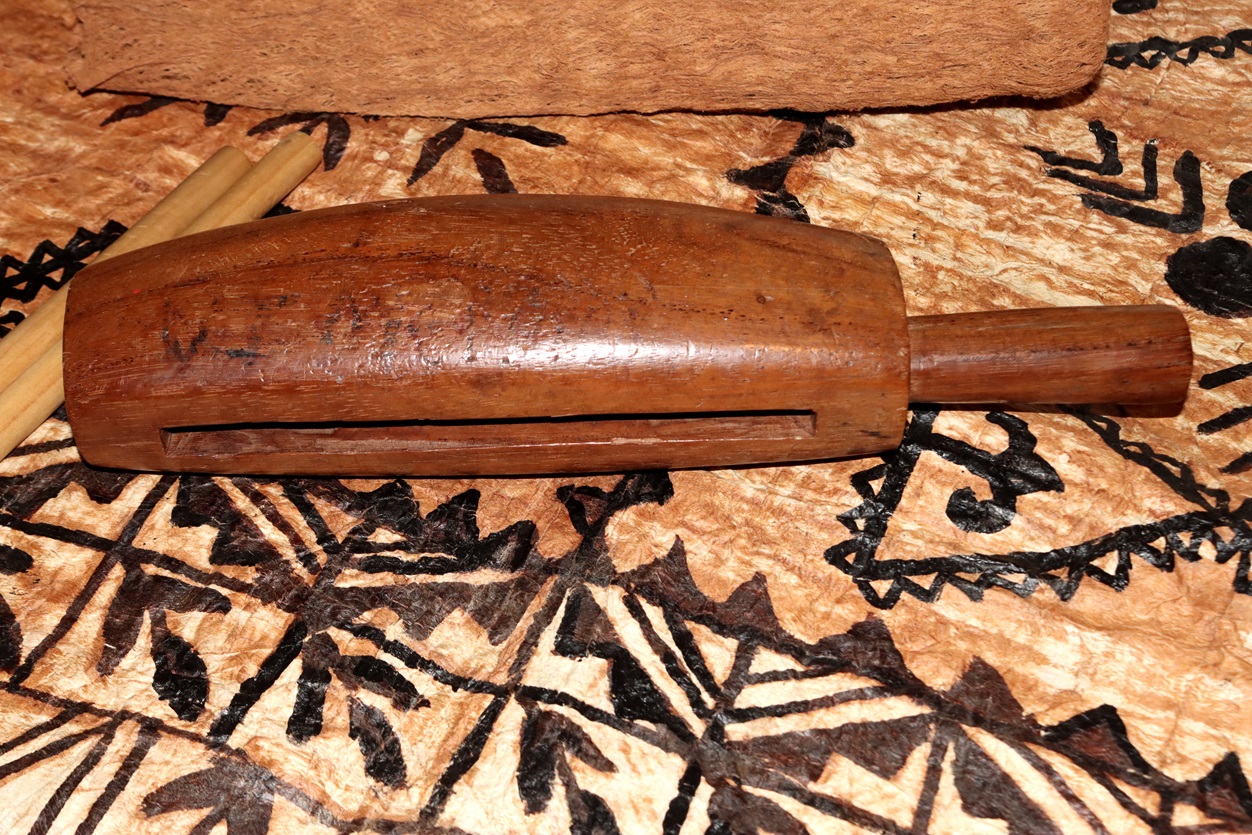
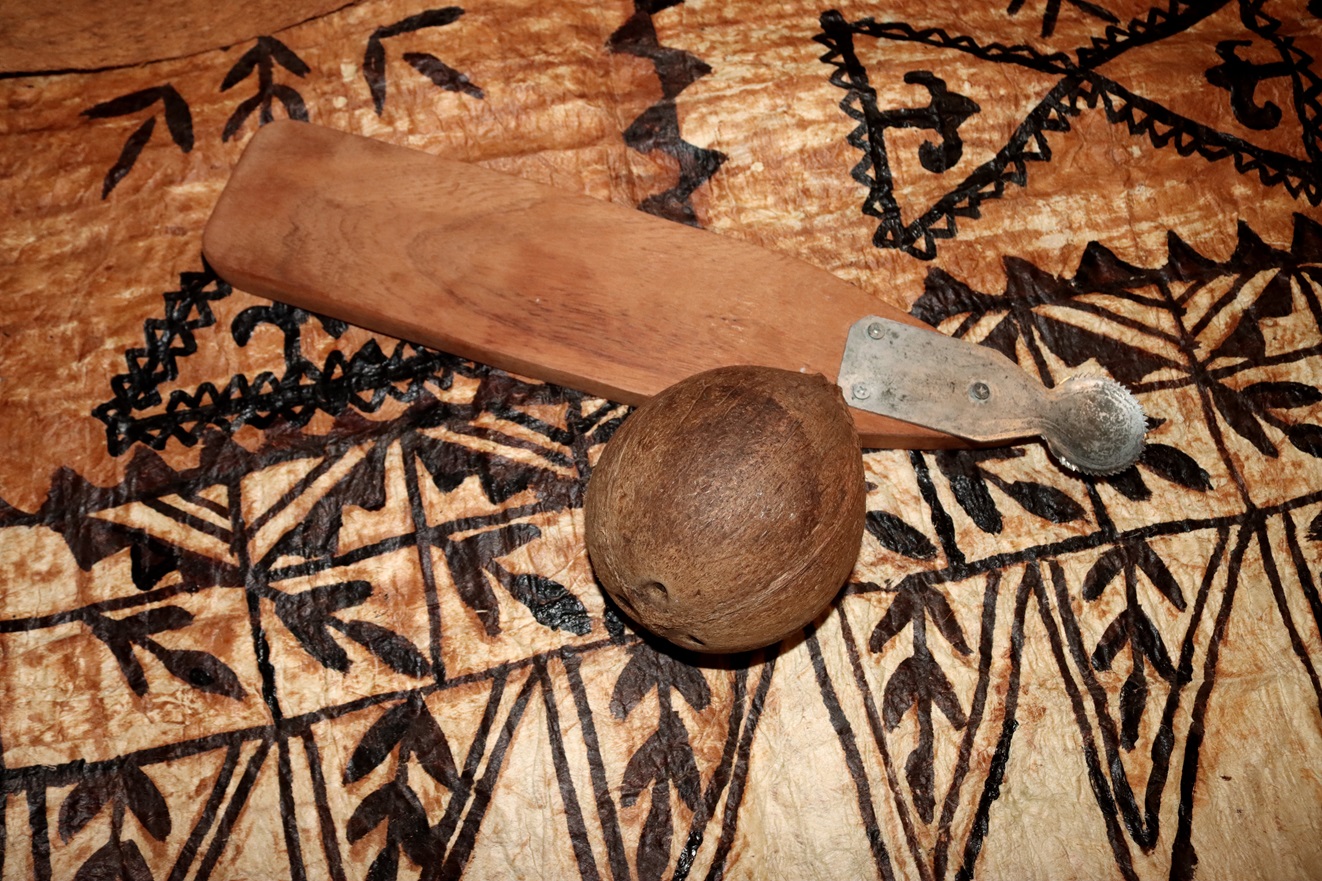
Tūhura Otago Museum Pasifika engagement manager Leota Meredith said examples of the pieces included musical instruments, coconut scrapers and tapa cloth.
"People can touch it, people can see and feel what a real tapa is."
Tapa started out as bark from the mulberry tree and a type of glue derived from arrowroot was used to adhere sections together.
A beater was used to flatten it out.
"You beat it and the fibres get wider."
Samoans and Tongans tended to use a stencil, but in Fiji patterns were stamped on top.
"One of the beautiful things about tapa is that it is distinctive.
"Every nation has distinctive patterns."
Pigments for the fabric came from sources such as coconut shells, different clay and natural dyes.
"Samoans for the yellow use turmeric, for example."
"One of the most important things that I share about tapa is it is a cultural wealth.
"It is a significant piece for many pan-Pacific, different Pacific nations," she said.
"We are the wealth makers. That’s what I say.
"And our men, they are the cooks and everything else."
The handling collection will offer a tactile connection to Pacific heritage.
There will also be opportunities to try out tapa rubbing, using stencils to create decorations.
Ms Meredith said during the recent upgrade of the Pacific Cultures Gallery at the museum, Polynesian artefacts and taōka for the refurbished space were being carefully selected and reviewed by Pasifika communities in Dunedin.
This reflected the museum’s commitment to meaningful interaction and strong relationships with island peoples.
"In support of this work, Pasifika cultural experts, academics, consular representatives and international specialists have contributed significantly, recognising the project as an important legacy for Dunedin."


