



As the ambition of capping the global average temperature at 1.5°C falters, a new ceiling of 2°C is emerging quietly in its place.
Instead of reducing greenhouse gas emissions, nations are turning from mitigation to adaptation to cope with a fundamentally altered climate.
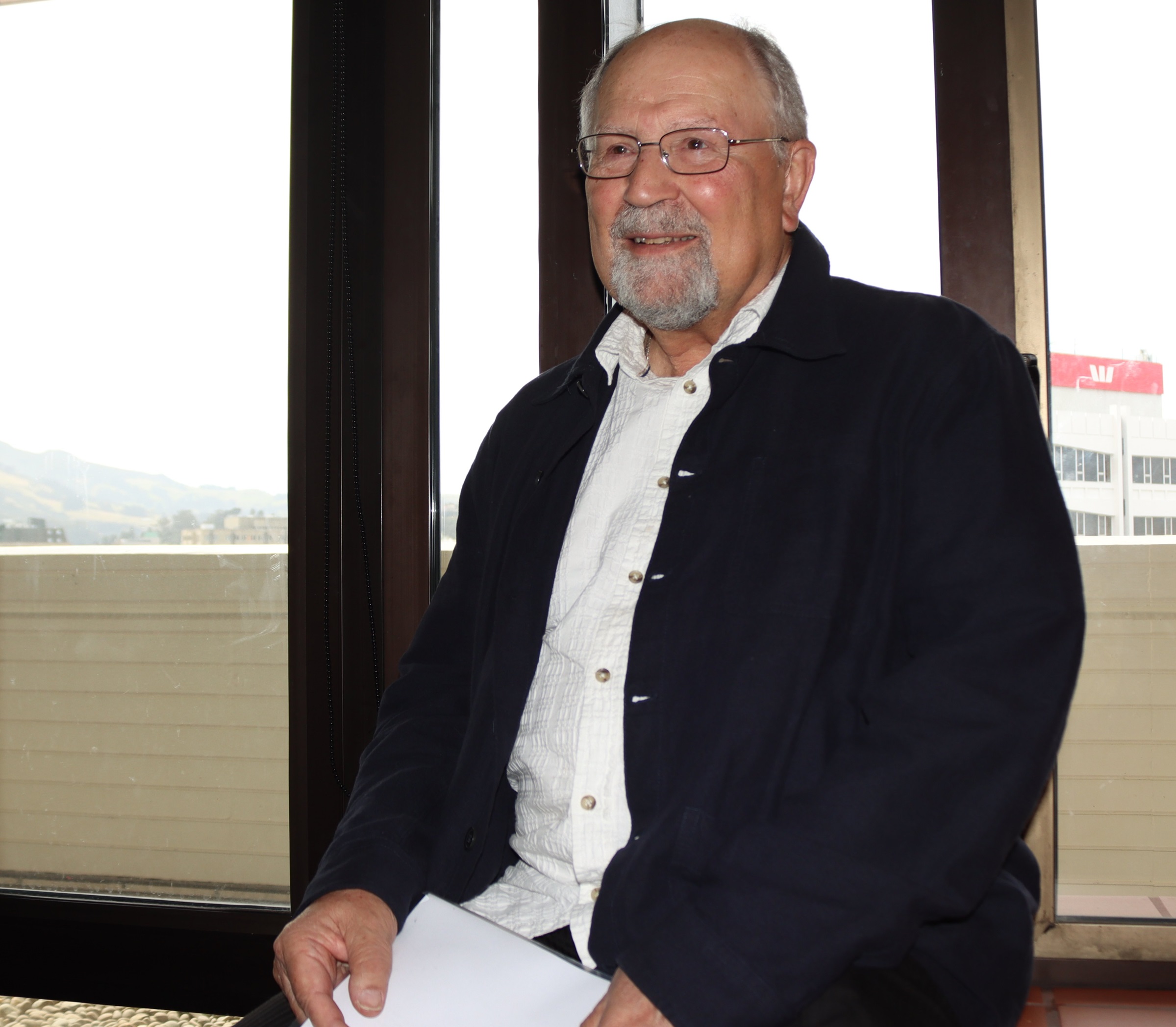
Emeritus Prof John Drummond laid bare this sobering reality to the Seniors Climate Action Network in Dunedin on Monday.
Conducting a "climate change stocktake" Prof Drummond reviewed the decades since a US climatologist first awakened the public to a warming planet.
In June 1988, Prof Hansen testified before the US Senate.
"This was the start of the spread of awareness about climate change beyond the scientific community," Prof Drummond said.
At the time, Prof Hansen said he was 99% certain the Earth was warmer than at any time in the history of instrumental measurements.
He coined the phrase the "greenhouse effect" and highlighted the likelihood of steadily increasing freak weather.
"What happened for the next few years was that, amazingly, the US Senate Committee took it to heart."
The Intergovernmental Panel on Climate Change (IPCC) was formed and the 1997 Kyoto Protocol set legally binding targets to cut emissions.
"You will not be surprised to learn that it didn’t happen," he said.
Despite the 2015 Paris Agreement, the recent 30th United Nations Climate Change Conference (COP30) made no commitment to transition away from fossil fuels.
Prof Drummond said the new "de facto target" was 2°C above pre-industrial levels.
"It is not official but the scientists are saying we need to work towards that now."
At 2°C the world will undergo more extreme weather events, 37% of the population will endure severe heatwaves, 99% of coral reefs will be lost, 10.4 million more people will be impacted by sea level rise and 62 million more people will face drought.
Although these were estimates, there would be irreversible changes and New Zealand would feel the impact.
"First and most important, we can’t afford to have a government in New Zealand, Aotearoa, that does not accept in its totality the scientific evidence for climate change and its cause.
"We need to have a government which is open and honest and truthful with New Zealanders about what we may face if we exceed 2°C. People need to know that if we don’t control climate change, there will be a significant disruption to our existing international economic arrangements, both imports and exports," he said.


