
PHOTO
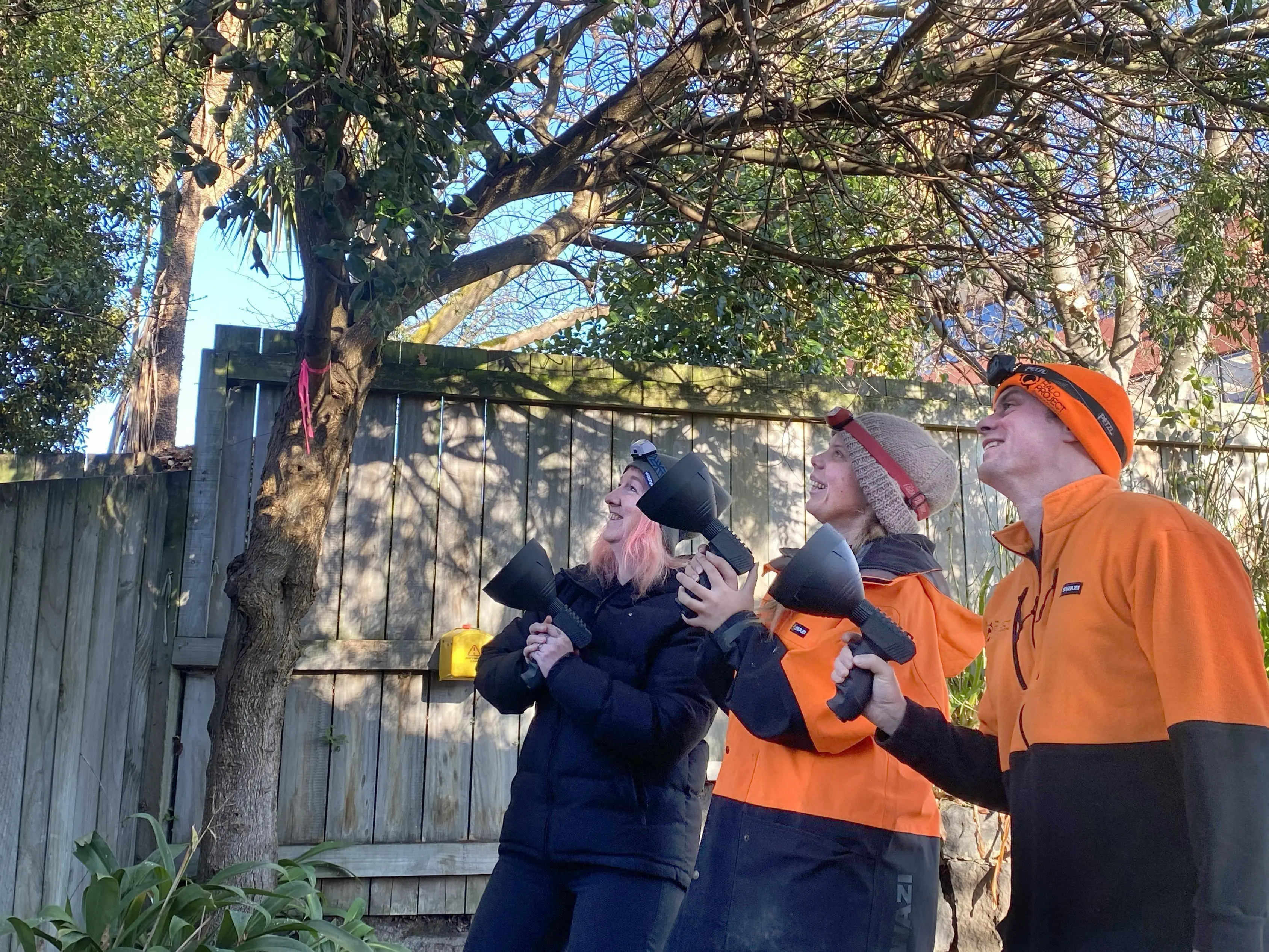
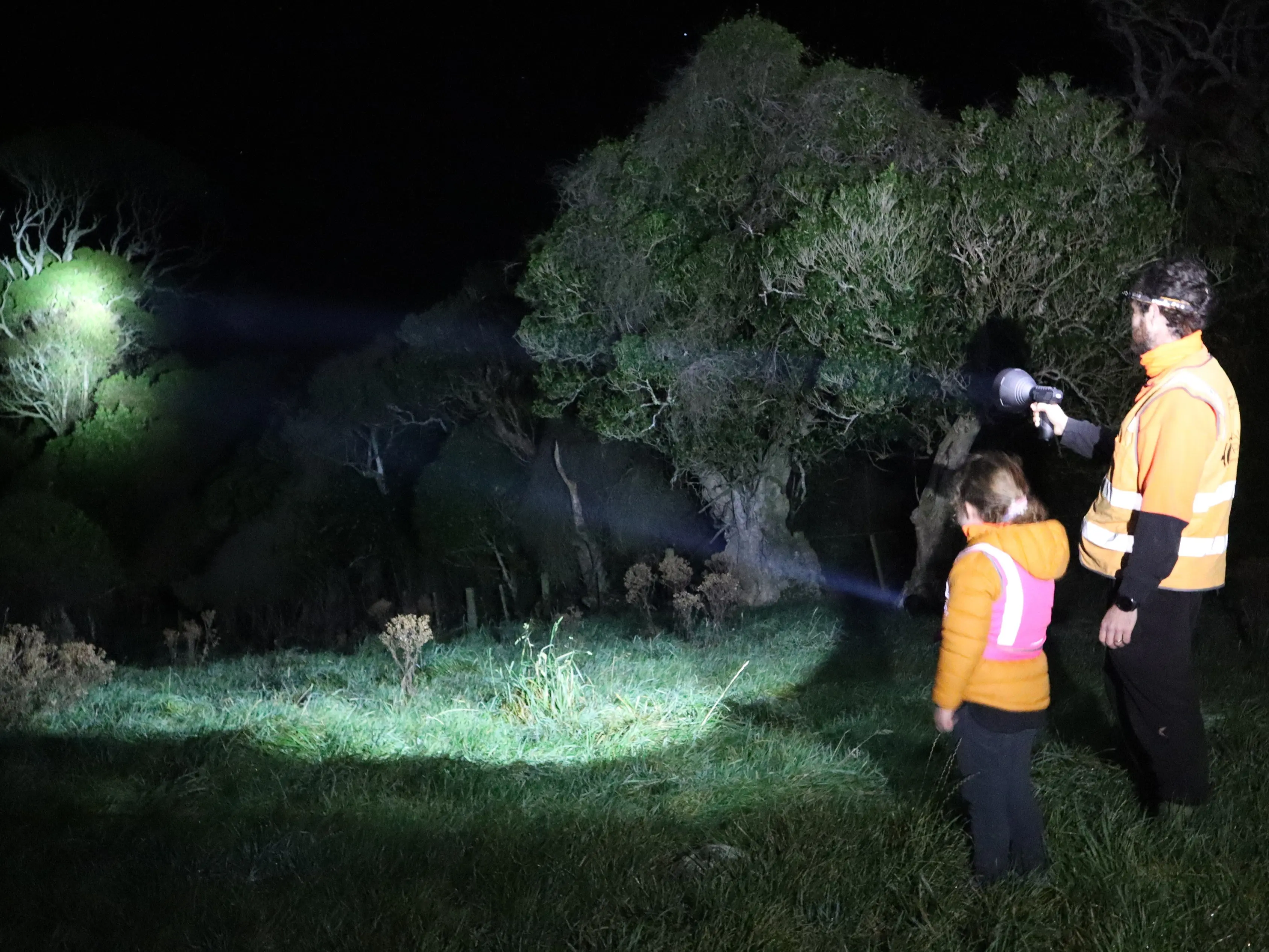
Returning for the fourth year, the "Spotlight on Possums" project aims to encourage as many Dunedin people as possible to head out into their back yard, local park or neighbourhood reserve to listen and look for possums and to report back through an online form.
The annual city-wide event, jointly run by Predator Free Dunedin, City Sanctuary and The Halo Project, will run throughout next week — June 22-28.
Spotlight on Possums has become a winter fixture for many local residents and helps provide vital information on where possums are active and where they are not.
City Sanctuary project co-ordinator Elizabeth Franklyn said a "no possums tonight" result would be both useful and welcome.
"Spotlighting is one tool in our monitoring toolbox, and it helps us map possum presence and absence across the city," Miss Franklyn said.
"This amazing citizen science project plays a vital role in protecting Dunedin’s flora and fauna — the data helps guide our operations and ensures we are focusing our efforts in the correct places."
Predator Free Dunedin communications and engagement lead Rosie Olsen said, while the Spotlight on Possums event was Dunedin-wide, residents on the Otago Peninsula were especially encouraged to take part.
"With the peninsula now officially possum-free, continued community vigilance helps protect that progress," Ms Olsen said.
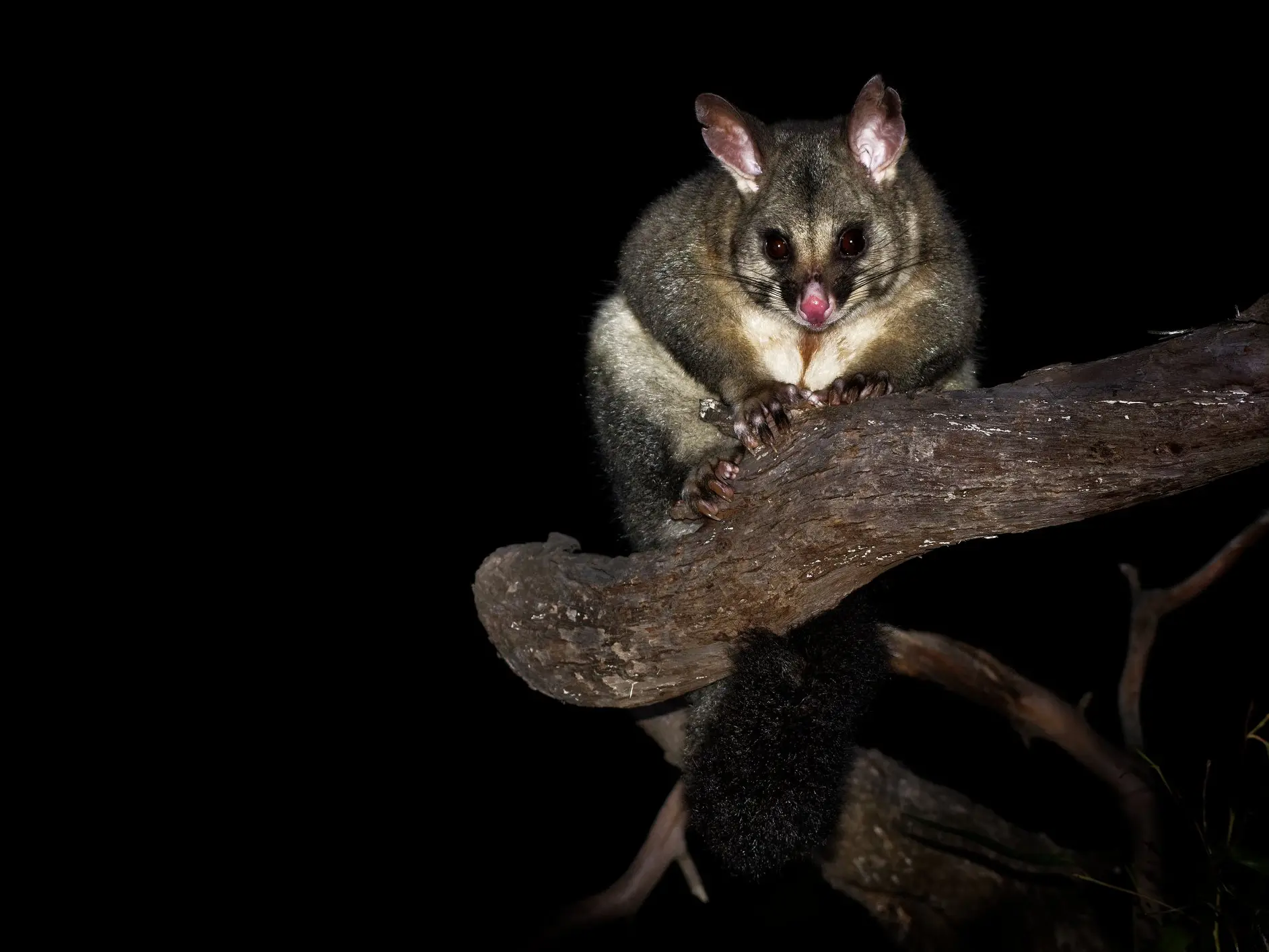
"Reports from adjoining buffer suburbs — The Cove, Waverley, Shiel Hill, Anderson’s Bay, Musselburgh and Ocean Grove/Tomahawk — help identify any possums before they can move back in.
"It is very important to keep an eye on that ‘neck’ of land, which could be a pathway for re-invasion by possums."
After more than 15 years of hard work by Otago Peninsula Biodiversity Group (OPBG), volunteers and landowners, the elimination of possums on the peninsula was a major success for the community, Ms Olsen said.
"They started this journey 15 years ago, and Predator Free Dunedin was pleased to lead the final phase with strong support from partners across Ōtepoti, especially the Halo Project."
The Halo Project maintained a strong operational presence on Otago Peninsula, operating the detection network and responding to possum sightings, with support from OPBG and the community.
Miss Franklyn said another focus of the Spotlight on Possums event would be northern parts of the city, including the Town Belt, West Harbour and coastal townships, which were being closely monitored for possum activity.
"We are working towards zero density of possums in the northern areas, and the community is a big part of that."
The Halo Project operational lead Harvey Aughton said the efforts to remove possums from northern Dunedin also related to ongoing work around Orokonui Ecosanctuary, where bird populations were growing and spreading out into the surrounding landscape.
"So it is very important to provide as much protection as we can," Mr Aughton said.
The Halo Project also had access to parks and reserves across Dunedin, as well as the Town Belt.
"It’s not just the possums that use these green areas as corridors, it’s the birds as well, which is exciting."
As work continued on removing possums and other pest species, such as mustelids and rats, from around Dunedin, the buffer zone around the city was growing larger — stretching from Karitane to Mt Allan, Berwick and Silverstream, Mr Aughton said.
"And that is necessary, because possum numbers are much higher in other parts of the south."
Ms Olsen said possums were one of the greatest threats to New Zealand’s natural environment, destroying forests, competing with native wildlife for food and eating birds, eggs and invertebrates.
Across New Zealand, possums are estimated to consume about 21,000 tonnes of vegetation every night.
Next week’s Spotlight on Possums event was designed to be an easy, family-friendly way for people to do their bit for conservation, Ms Olsen said.
Families were advised to stick to familiar places, supervise children and keep the outing simple and safe.
For more information, and to find the reporting link, visit predatorfreedunedin.org/spotlight
A live dashboard will operate through the week, showing a map of the places where possums have been spotted.