
PHOTO
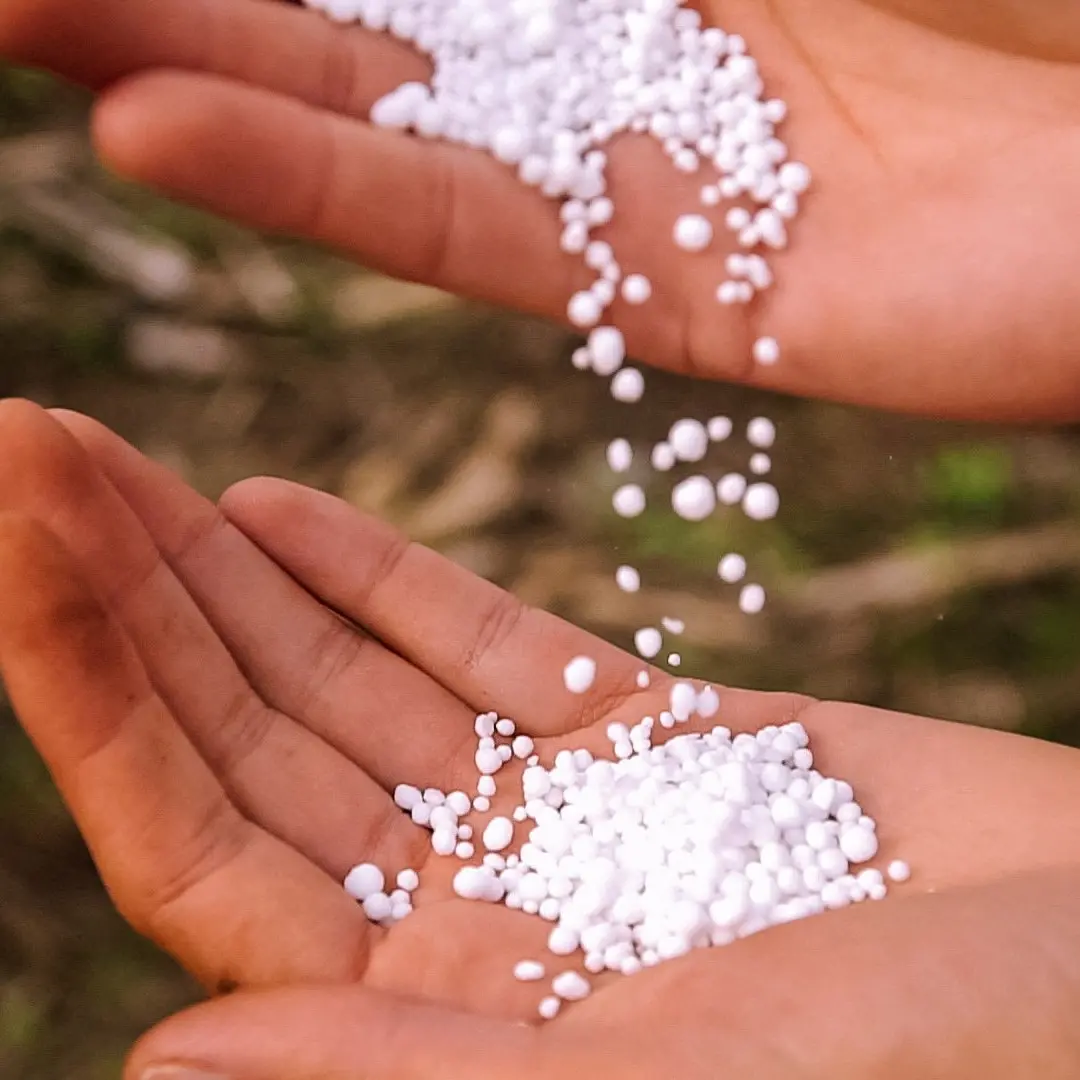
An Australian company has announced plans for a $3 billion fertiliser plant in Southland, converting lignite to urea.
Victorian Hydrogen yesterday revealed its plans for the project — it is expected to apply for approvals under the fast-track regulatory process — which would produce 1.5 million tonnes of fertiliser annually from a facility about 30km northeast of Invercargill.
In a statement, the company said it would offer an environmentally innovative and strategically significant alternative to imported urea fertiliser while also delivering significant investment and employment opportunities in the region.
Initial geological and hydrological studies would be completed by spring and there would be a targeted three-year pathway from the conclusion of the very detailed studies under way to full production.
Victorian Hydrogen executive director Allan Blood said the company was dedicated to transparent engagement with stakeholders, including local iwi, Ngāi Tahu rūnanga, councils, farmers and landowners across the 3141ha exploration area.
There would be no requirement to acquire farms and mining would occur in long, narrow strips affecting only a small portion of land at any one time. Land would be rehabilitated progressively.
‘‘We hope that the project will be seen as a substantial additive to annual farm income,’’ he said.
The technology used in the lignite gasification process was well established globally and the world’s latest urea plant, using technology identical to what would be used in Southland, was commissioned in Zambia late last year, he said.
Lignite reacted with oxygen at high temperatures and low pressures to produce syngas, which then reacted with steam to produce hydrogen. Hydrogen was combined with atmospheric nitrogen to produce ammonia and ammonia was then reacted with captured carbon dioxide from previous reactions to produce urea.
Various opportunities were being investigated around environmental management, including using carbon dioxide to make algae-based cattle feed, liquid fuels, construction materials, and in inhibitor technologies to reduce nitrous oxide emissions. The project would generate its own electricity, some of which could be exported to the grid.
Mr Blood said New Zealand was exposed to global fertiliser shocks it could not control and the project was about providing national self-sufficiency for the next 50-plus years.
New Zealand imported 500,000 tonnes of urea annually and it also manufactured 265,000 tonnes, but falling gas supply meant domestic production might end, he said.
In a report this week, Rabobank said the international fertiliser market ended the first quarter of the year under severe strain. It faced a prolonged period of tight supply, weak affordability and heightened price risk. Even if geopolitical tensions eased soon, normalisation would be slow, it said.
Fertiliser affordability globally was already under pressure in 2025 as prices for nitrogen and phosphates had steadily increased. Affordability had since deteriorated rapidly.
Prices for nitrogen and phosphates had risen far faster than agricultural commodity prices, which was compressing farm margins globally and accelerating affordability pressure.
Southland district Mayor Rob Scott was not aware of all the details of the proposal, but said a lot of urea was used in the South.
Having a local supply would be a real advantage, reducing demand on overseas imports and a reliance on shipping.
There was a lot of investment occurring in the South, which was reflected in its GDP contributions.
The balance to that was impact not outweighing investment and that would need to be looked at down the track, he said.
Southland Business Chamber chairman Chris Hughes said while the proposal represented a potentially transformative opportunity for Southland and the wider regional economy, it was important to recognise it was still at an early stage, and there was work to be done before it became a reality.
"What’s particularly compelling is the scale of the opportunity. Southland has a significant natural resource in lignite and this proposal points to a way of unlocking that value locally rather than exporting raw potential.
"By processing it on-site into a high-value product like urea the region stands to capture far more economic benefit.
"The implications for jobs are substantial as projects of this scale don’t just create direct employment at the plant, they also drive demand right across the supply chain, from engineering and construction through to transport, maintenance, and support services. For local businesses that means more work, more investment, and greater confidence to grow.
"From an economic standpoint, a project of this size would be a major contributor to Southland’s GDP and it would further diversify the regional economy, strengthen resilience, and help cement Southland as a key player in future-focused industrial development," he said.