
PHOTO
South Island businesses are upbeat about the new year, despite Canterbury firms losing the stomach for more upheaval ahead.
The latest quarterly business surveys of Business Canterbury, formerly the Canterbury Employers Chamber of Commerce, and Business South were both positive overall.
In Canterbury, 75% of businesses surveyed expected their regional economy would be stronger and were banking on a better financial result.
Otago and Southland confidence had much the same response in the Business South survey released today, 74% believing the South was heading in the right direction and 68% confident the southern economy would strengthen.
But Canterbury businesses’ confidence to soak up disruption slipped to 65%, back 14 points from the last quarter year.
In contrast, 81% of southern businesses felt at least moderately confident about managing disruption.
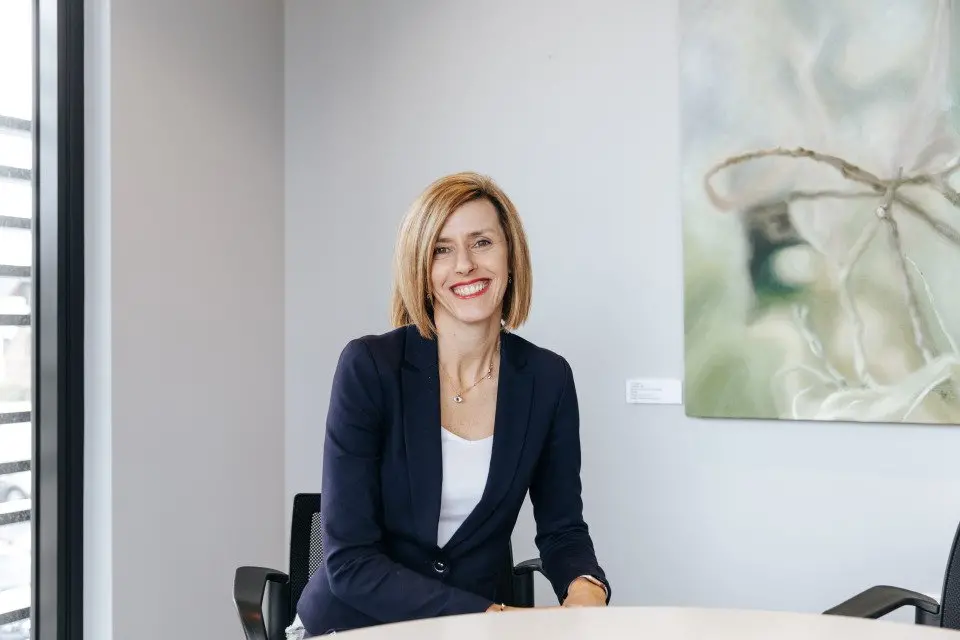
Business Canterbury chief executive Leeann Watson said Canterbury businesses were heading into next year with a big lift in confidence.
"Businesses are expecting stronger economic conditions and improved financial performance. Hiring intentions are strong too, with two-thirds planning to bring on additional staff over the next year — a positive sign for the local job market."
She said their investment intentions had returned to historical averages, which, after a long period of caution, was encouraging.
This suggested businesses were ready to start growth plans in the new year.
Mrs Watson said the optimism was less apparent in their resilience after years of repeated economic disruptions and a pretty flat business year.
The question was whether confidence carried through on the back of a strengthening economy, she said.
"We know that many businesses have been drawing on their reserves — both financial and psychological — for quite some time and we’re now seeing results where there is even less buffer to absorb further disruption."
Resilience monitoring in the survey was well below where it usually sits, in the mid-80% range.
Concerns about AI adoption and digital transformation had doubled at 16% and mental health and fatigue were trending upward at 17%.
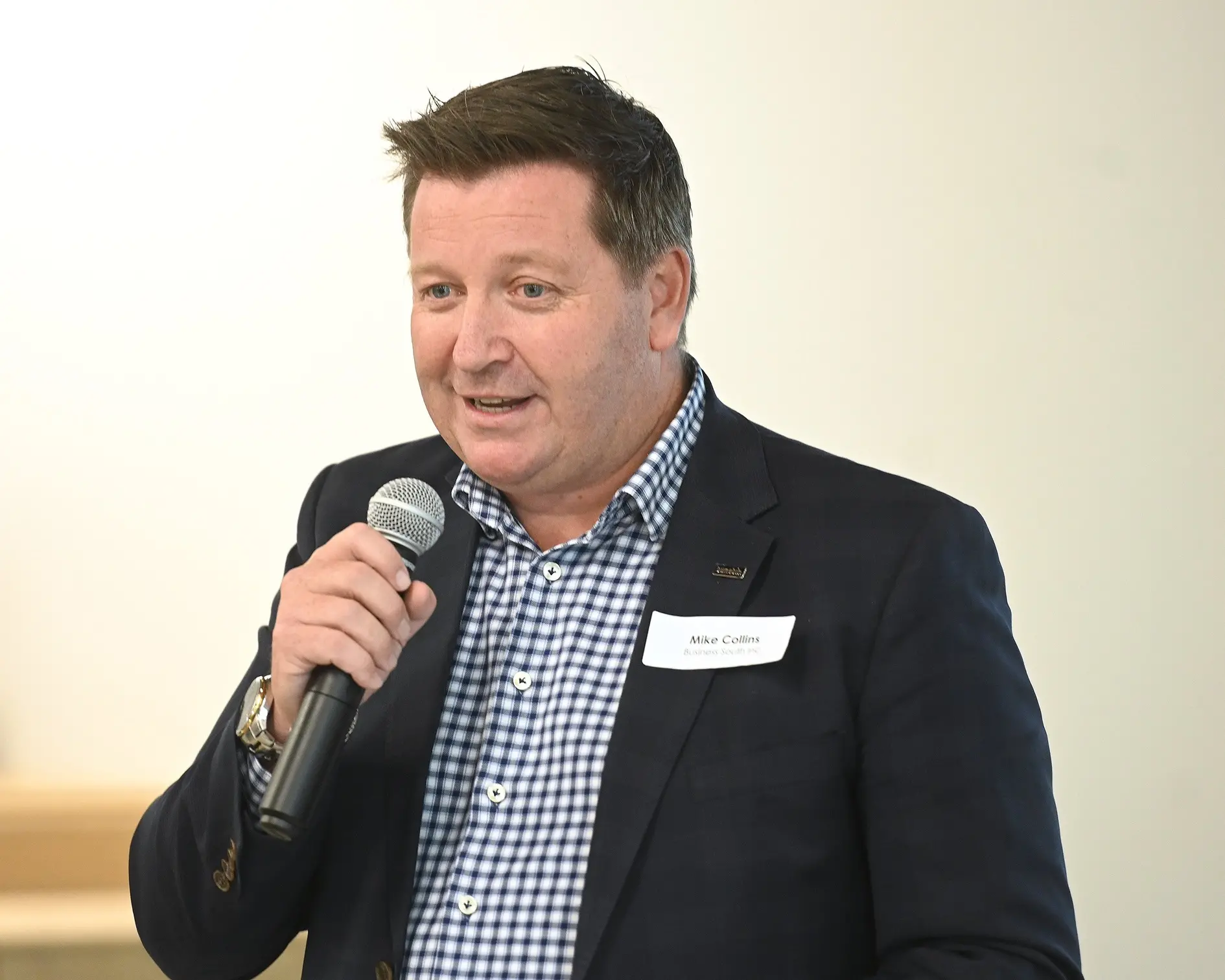
Business South chief executive Mike Collins said southern confidence remained firm, businesses showing strong intentions to invest and hire across Otago and Southland.
"Confidence in managing disruption has reached its highest level since the survey began, with 81% of respondents saying they feel confident navigating change."
Consumer confidence and demand remained the top concern, but its impact had eased this quarter, he said.
Tourism and accommodation businesses were making the most of strong visitor numbers and primary industries were stable, experiencing steady demand and a good growing season.
Tech, innovation and service firms further south were also enjoying consistent growth.
However, results were mixed in the construction industry with some firms showing healthy returns and others on tight margins facing cashflow pressure.
Cash flows and accounts being paid were causing the most anxiety among southern companies, moving ahead of inflation and interest.
Mrs Watson said the business fundamentals remained strong in Canterbury, despite the concerns.
"We have population growth, one of the most diversified regional economies in New Zealand and a relatively confident business community that people want to be part of. What we need now is consistent and enabling conditions that turn confidence into activity — including less red tape, stable policy settings and a growing economy."
In the survey, 67% of Canterbury businesses planned to hire staff in the next year and 64% wanted to invest in property, plant and equipment.
Top issues on their minds are consumer confidence and demand (56%), productivity and growth (35%), compliance costs (29%), cash flow and accounts being paid (27%) and inflation and interest rates (26%).
Business South reported 67% of businesses planned to invest in property, plant or equipment in the year ahead and 63% wanted to hire new staff.
"Despite ongoing cost challenges, the overall picture is one of resilience, adaptation and forward focus, with southern businesses continuing to invest in their people, capability and future," Mr Collins said.
A low 37% thought the government was managing the economy better than a year ago.
Earlier this week, farmer confidence was found to have fallen from near-record highs earlier this year.
The Rabobank Rural Confidence Survey reported farmers’ confidence in the agricultural economy fell to a 28%, down from 40% over the first three quarters.