
PHOTO
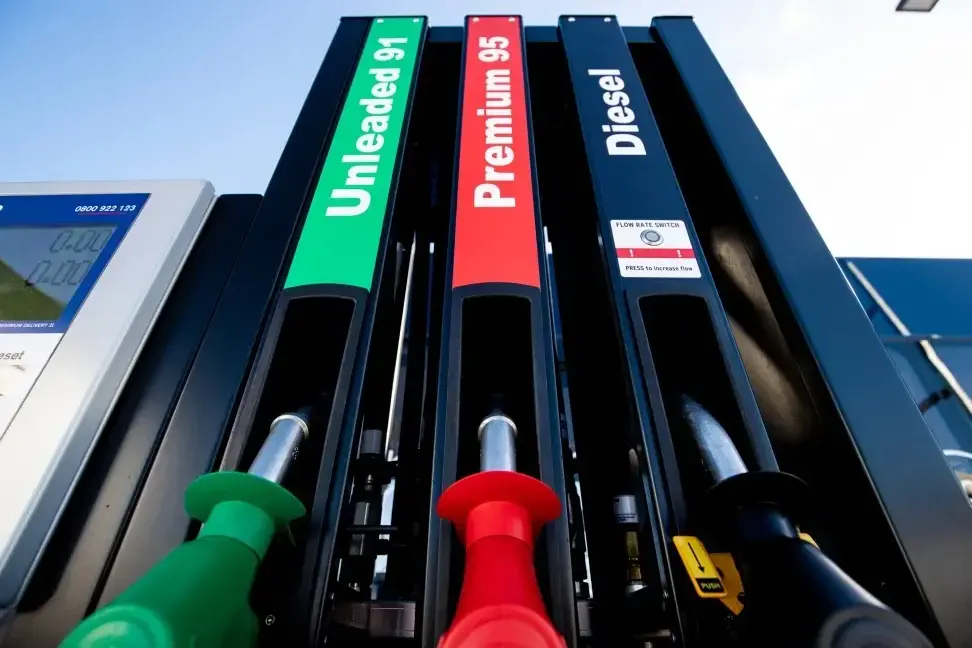
The government has delayed a fuel excise hike planned for next year - and will use its fuel crisis rainy day fund to help pay for it.
Fuel excise taxes were due to be increased by 12 cents from January 1 in 2027, then increase annually by 6c and 4c heading into 2029 - a total increase of 22c.
Instead, the tax will go up by 5c every six months, beginning in 2028 through the end of 2029 - a total increase of 20c.
To keep up with maintenance and planned projects, the government will top up National Land Transport Fund - expected to cost $1.476 billion over the forecast period.
Cabinet has agreed to use its $450 million rainy day fund created in this year's Budget to help cover that - and will find the rest elsewhere.
At the time the fund was announced, the government said it would be used for "potential future temporary and targeted responses to the fuel crisis if required".
Fuel excise taxes have not been increased since 2020.
Transport Minister Chris Bishop told media on Monday without that "top-up" to the National Land Transport Fund, there would be "significant" cuts to road maintenance, public transport and infrastructure investment.
"We're giving motorists a full year without the fuel tax increase they were expecting, while protecting investment in our transport system and putting it on a more sustainable funding path for the future. "
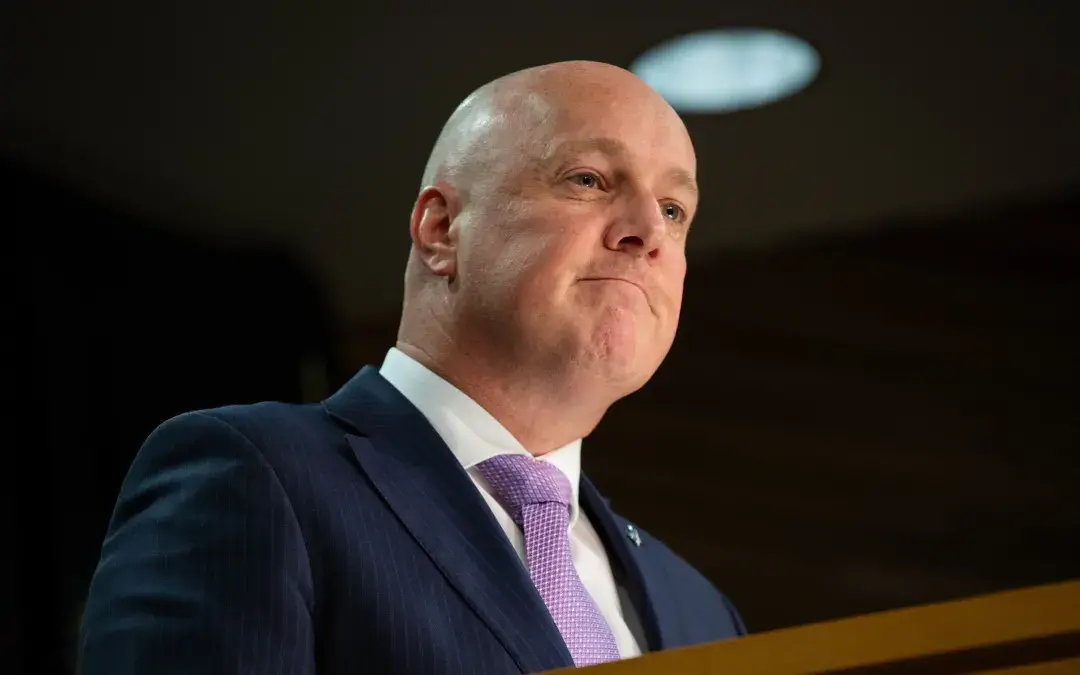
Prime Minister Christopher Luxon denied that the November 7 election was a factor in delaying the tax increase.
"We were signalling pretty strongly about it being unlikely for January 1 as we came through the Iranian fuel crisis, and that has been the reality... you've seen our government respond to changing circumstances and changing geopolitics.”
Bishop said the country "understands the difficult situation".
"Everyone can see the need for investment in the roading network and our public transport system... at the same time, nobody wants to pay higher petrol tax.
"That's completely logical, particularly at a time when we've been come through a very difficult five years for the country - everyone can see that."
The Labour Party promised last week it would not increase fuel tax at all over the next term.
Bishop said Labour was just "hoping for the best" by freezing the tax for another three years.
"The Labour Party plan of just basically hoping for the best and freezing things for another three years - which creates a $4.6 billion hole in the National Land Transport Fund - is irresponsible.
"Our path is a more predictable, responsible path, and yes, it comes with some fiscal cost."
Bishop said the additional $1 billion needed to make up the projected cost of delaying the tax would be shown in the upcoming pre-election fiscal update (PREFU).
Meanwhile, Labour leader Chris Hipkins said his party’s policy was the same National promised at 2023 election.
"They're proposing to increase them by 20 cents a litre in the midst of a cost-of-living crisis, when people are having to choose between putting fuel in the car or paying for their groceries. Now is not the time to be increasing the price of petrol.”
Hipkins did not rule out borrowing money to pay for the fuel tax freeze, and when asked repeatedly how Labour planned to pay for their tax freeze said the party would not yet announce its fiscal plan.
He denied Labor’s plan would cost $4.6 billion.
"I think [government minister] Simeon Brown must have done the maths on that."
He also accused the government of using the rainy day fund set up through this year’s Budget as a "slush fund".
"They said that was for timely, targeted - what was the other thing that they said? - temporary. Doesn't seem that way anymore, does it?
"This was their slush fund that they set up for election year. That this is how they've chosen to spend it."
