
PHOTO
The Canterbury Regional Council has voted to bring an end to the controversial nitrate emergency declaration brought in a year ago, as the region grapples with nitrate levels in waterways and drinking water supplies.
Councillors voted unanimously to declare the nitrate emergency over, acknowledging the work done since a notice of motion declaring the emergency was passed on the eve of the previous council's departure.
That notice of motion called on the council to take a leadership role in the face of increasing nitrate levels; requested workshops for the incoming council on the scale, causes, and impact of nitrate pollution; and sought advice on the costs for private bore users and councils to treat nitrate pollution or find alternative water sources, as well as options to reallocate costs so "nitrate polluters contributed to the costs of nitrate removal from drinking water".
Councillors were split nine votes for and seven against on a recommendation that staff not proceed with any further investigation into funding mechanisms for treatment of private drinking water supplies for nitrate contamination.
Staff had yet to begin exploring funding mechanisms, and today's decision directs them not to do this work.
The staff recommendation also stated the council's Drinking Water Action Plan was a sufficient response to the nitrate emergency notice of motion, and allowed it to be "resolved." Councillors backed the recommendation with 10 votes in favour, and six against.
A regional council spokesperson described the Drinking Water Action Plan as "a collation of various workstreams" which "captures the work we are doing in the drinking water space", rather than a specific plan.
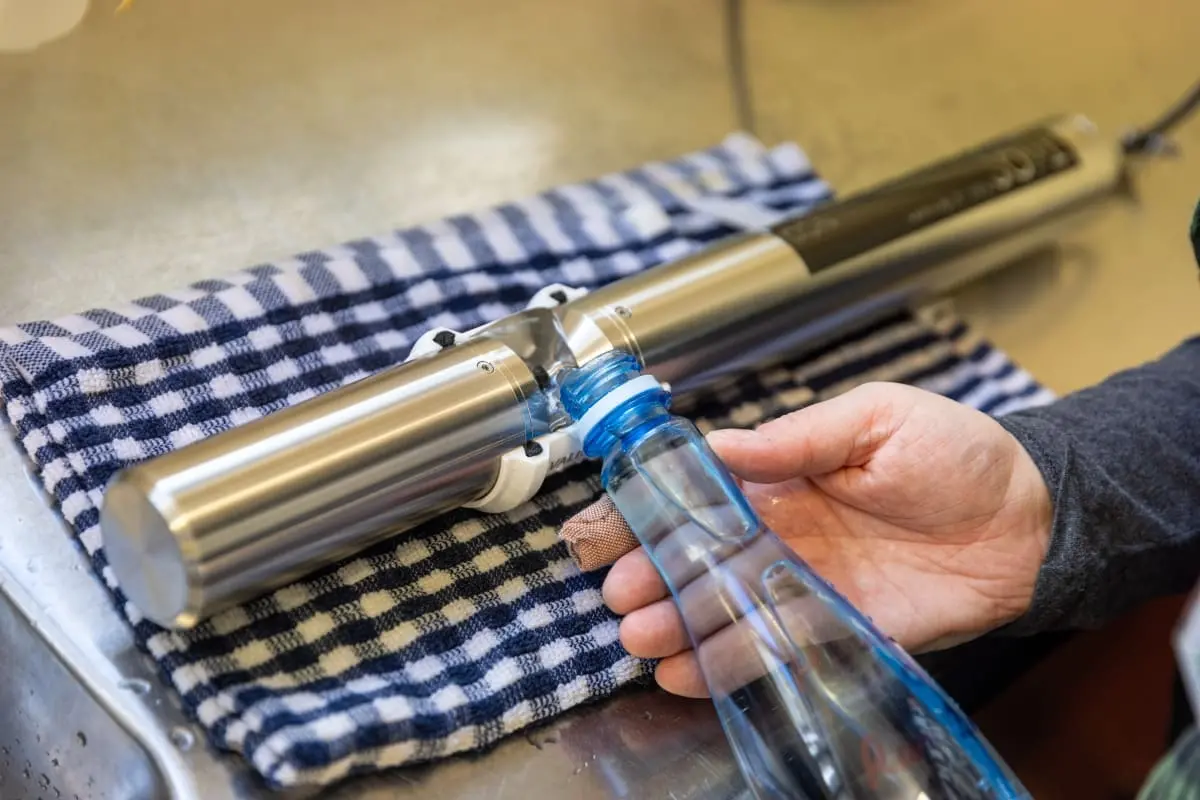
Staff provided indicative costs for households to install nitrate treatment, which the report said could cost between $3000 and $5000 for a whole house system, or $1000 to $2000 for an under-sink unit, plus annual maintenance costs.
Ultraviolet light treatment - to treat micro-organisms such as E.coli - could cost $2000 for a whole house system, or $500 for an under-sink unit, as well as annual maintenance costs.
Ahead of the vote, Greenpeace programme director Niamh O'Flynn said it was a deeply concerning proposal, especially as the council has consented tens of thousands of extra cows for the region this year, while Federated Farmers president Colin Hurst welcomed the possibility.
Environment Canterbury's most recent groundwater report showed 59% of monitored sites had worsening levels of nitrate in 2024, and 10% had breached the drinking water standard.
The 2025 groundwater report was not expected to be released until next month.
In the largest study of its kind, released last year, GNS Science confirmed Canterbury had the highest percentage of elevated groundwater nitrates in the country, following testing of 3800 rural drinking water samples from private wells between 2022 and 2024.
Researchers identified nitrate-rich cow urine as a primary cause of contaminated groundwater.
The study found more than 21,200 people nationwide could be drinking water contaminated with nitrate above the legal limit while more than 100,000 people could be drinking water above half the legal limit - one in three rural homes.
New Zealand's nitrate limit of 11.3 milligrams per litre is based on 1958 World Health Organisation guidelines specifically for preventing infant death from methaemoglobinaemia or blue baby syndrome.
Emerging research has pointed to health risks at far lower levels.
The move came on the same day as the Court of Appeal began hearing the Environmental Law Initiative's (ELI) challenge to a major nitrogen pollution consent, found to have been unlawfully granted by the regional council.
The High Court ruled in December last year that the council had made a material error of law in granting a 10-year consent to the Mayfield Hinds Valletta (MHV) irrigation scheme, but declined to overturn the consent.
The court declined to overturn the consent after the Government made changes to section 107 of the Resource Management Act.
"The High Court confirmed that the consent was granted unlawfully. We believe that should have consequences. An unlawful consent should not simply be allowed to stand. We are arguing that the consent should be revisited," ELI senior researcher Anna Sintenie said.
Previous Environment Canterbury analysis estimated that 62% of private drinking water wells in the MHV scheme area could exceed the maximum acceptable value for nitrate, with more at risk.
The appeal raised broader questions about the consequences of unlawful resource consents at a time when the Government was changing New Zealand's resource management and freshwater laws, Sintenie said.
