
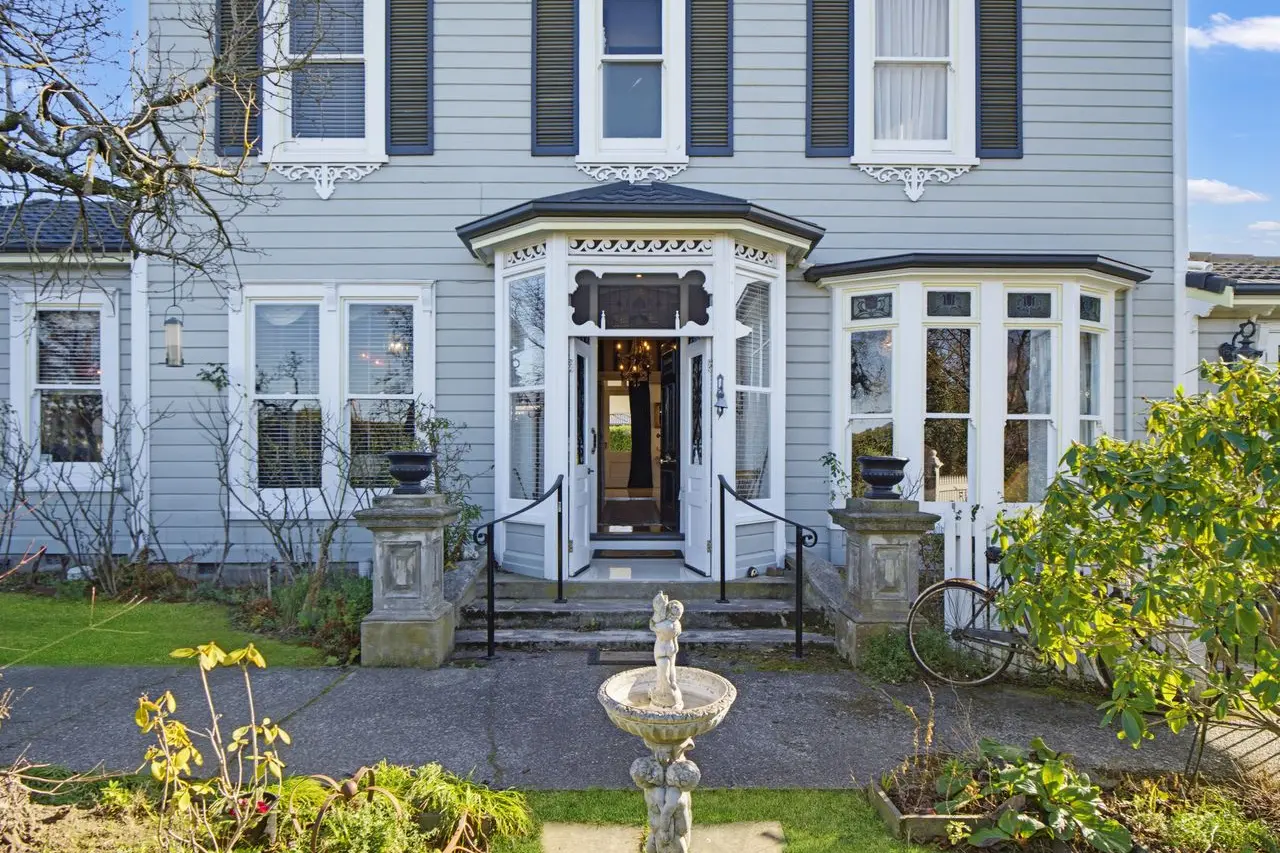
PHOTO
Physiotherapist Julie Shepherd has lived in the historic two-storey house on Kaiapoi’s Williams St for the past four-and-a-half years. Now it’s time to leave.
“It’s a big old home and I love it,” she says of the house, named Dalkeith and built in 1903-1904 for an English doctor and his wife. “But it’s just me and my pets here and I’ve decided to downsize.
“I’ve already signed up to buy. It’s something smaller … you could say I’ve gone from one extreme to another.”
Julie bought the historic house in 2021. She has used it both as a physiotherapy clinic and upscale bed-and-breakfast occupancy. Four of the house’s five bedrooms have their own ensuite.
“I’ve been busy with the B&B six months of the year, through spring and summer,” says Julie. “Winter’s quiet but, having said that, we still get plenty of international visitors here.”
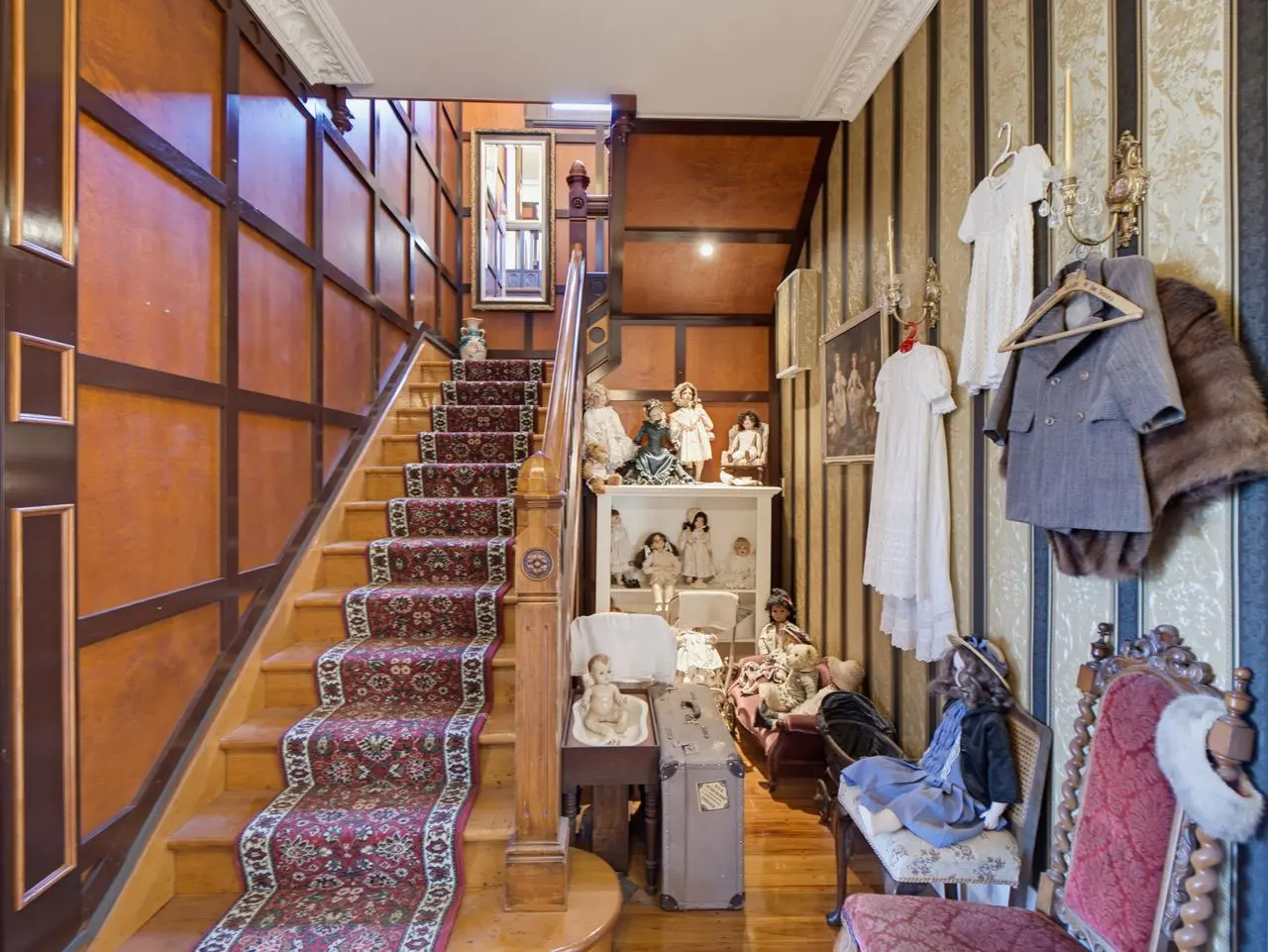
Julie, 56, is Kaiapoi born and bred, leaving the town for the first time aged 18 to enrol in the Dunedin physiotherapy school.
“I lived in Tauranga for a time and I never thought I’d come back to the South Island and Kaiapoi, but here I am.”
The 197 Williams St house was first occupied in 1904 by Dr John William Crawshaw and his wife Minnie. Crawshaw had graduated from medical school in Manchester, England, in 1892 and spent time as a ship’s doctor before landing in New Zealand.
He maintained his practice in Kaiapoi until 1921 before moving to another, in Merivale. New Zealand-born Dr Maxwell Ramsay took over Crawshaw’s Williams St practice the same year.
Dr Ramsay was born in Dunedin in 1888, the son of a prominent local businessman. He graduated from Edinburgh University in 1911 with a medical degree and at the outbreak of the First World War joined the army’s medical corps.
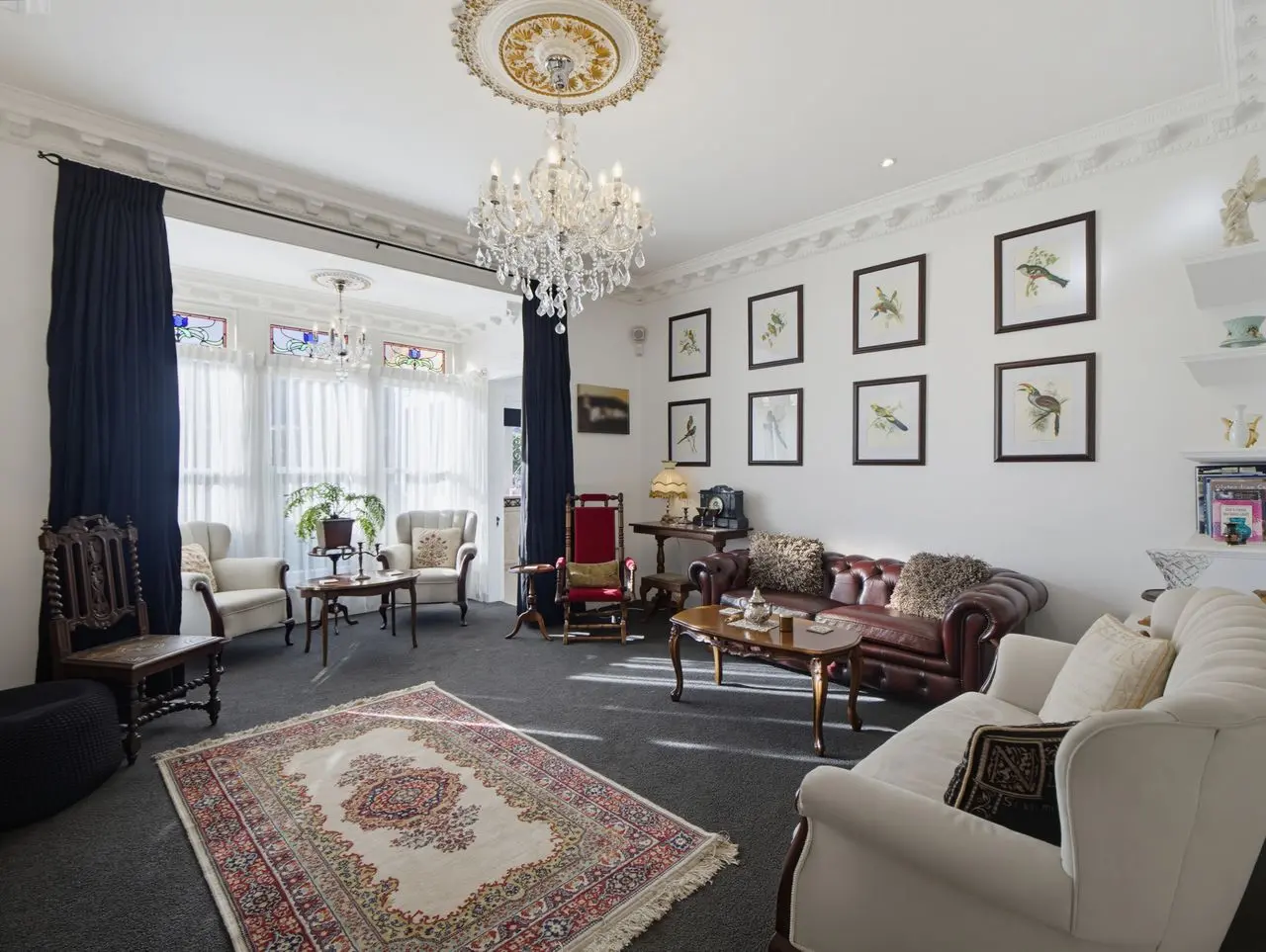
He married an English woman and returned to New Zealand after the war ended in 1918 to a senior medical position at the Narrow Neck military hospital in seaside Devonport, Auckland.
The hospital later became Fort Cautley, named after British army engineer Major F. E. Cautley who, in the 1880s, put in place a coastal defence system – gun emplacements – to help protect Auckland from a feared Russian invasion.
Dr Ramsay received his discharge from the Narrow Neck hospital in 1921 as a lieutenant-colonel, before moving to Kaiapoi and the Williams St property with his wife Anna.
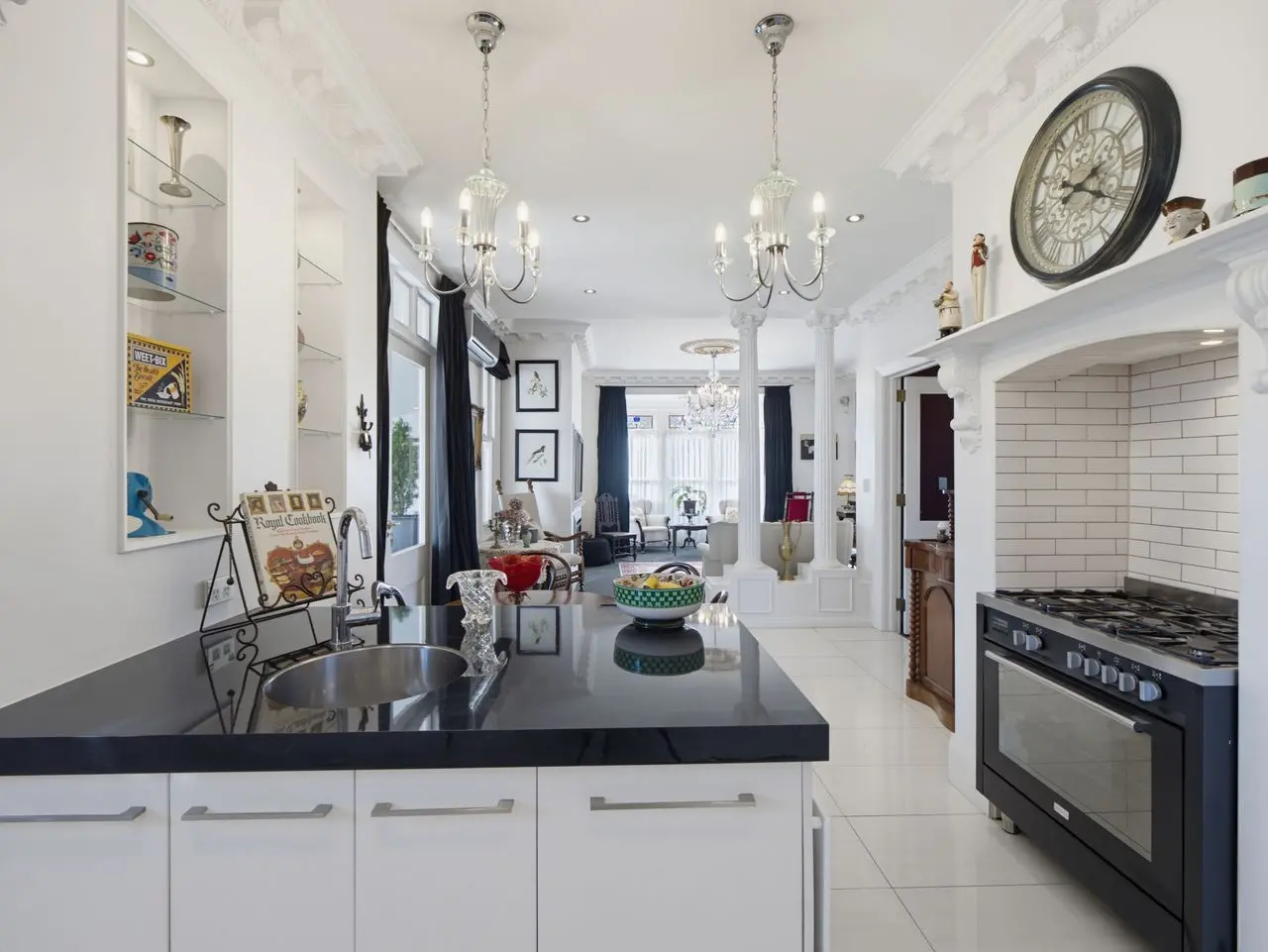
He died suddenly in 1937 at age 49. Anna died in 1943, aged 53. They had three children. There is a sun dial in memory of Dr Ramsay near the town centre.
The family who spent the longest time at Dalkeith were the Gardiners, who lived there for 47 years. Boyd Gardiner was a dentist who had a practice nearby, and his wife Jacqui was a physiotherapist who ran antenatal classes from the house.
Williams St wasn’t always Williams St. It was always Kaiapoi’s main thoroughfare but was broken up by different names over the years: North Road, High Street, Cookson Street and Main North Road. At one stage the Dalkeith house was at 195 North Road. Williams St became the official name in 1978. The Williams name had been prominent in local government affairs since the 1930s.
Inquiries to Arizto’s Team Karen 027 433 9488 and Brent 027 227 6136.