

History was made in more than one way at this week’s 68th Grammy Awards.
Bad Bunny’s Debi Tirar Más Fotos won album of the year — the first Spanish-language LP to take the Recording Academy’s highest honour. Kendrick Lamar and SZA’s Luther was named record of the year, making Lamar the winningest rapper in Grammy history (and just the fourth artist to go back-to-back for the record prize). Then there were Billie Eilish and her brother, Finneas O’Connell, who took song of the year with Wildflower; they’re now the only songwriters with three wins in that prestigious category.
To go by demographics, the ceremony clearly embodied the diversity gains the academy has been saying proudly are happening among its 15,000 voting members. But if new kinds of faces are becoming Grammy darlings, the music they’re being recognised for still upholds many of the academy’s old values. A night for making history was also a night for revelling in it.
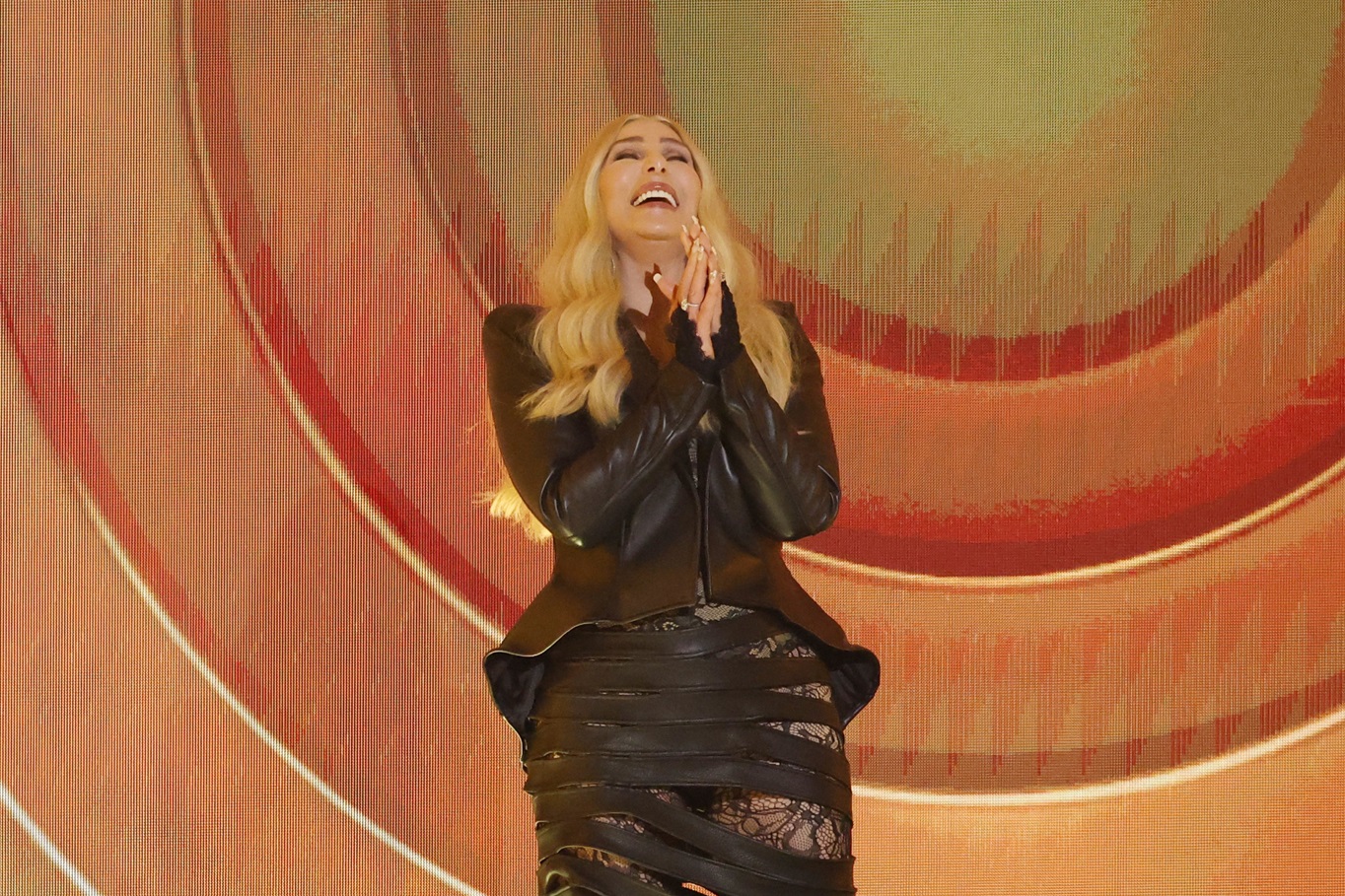
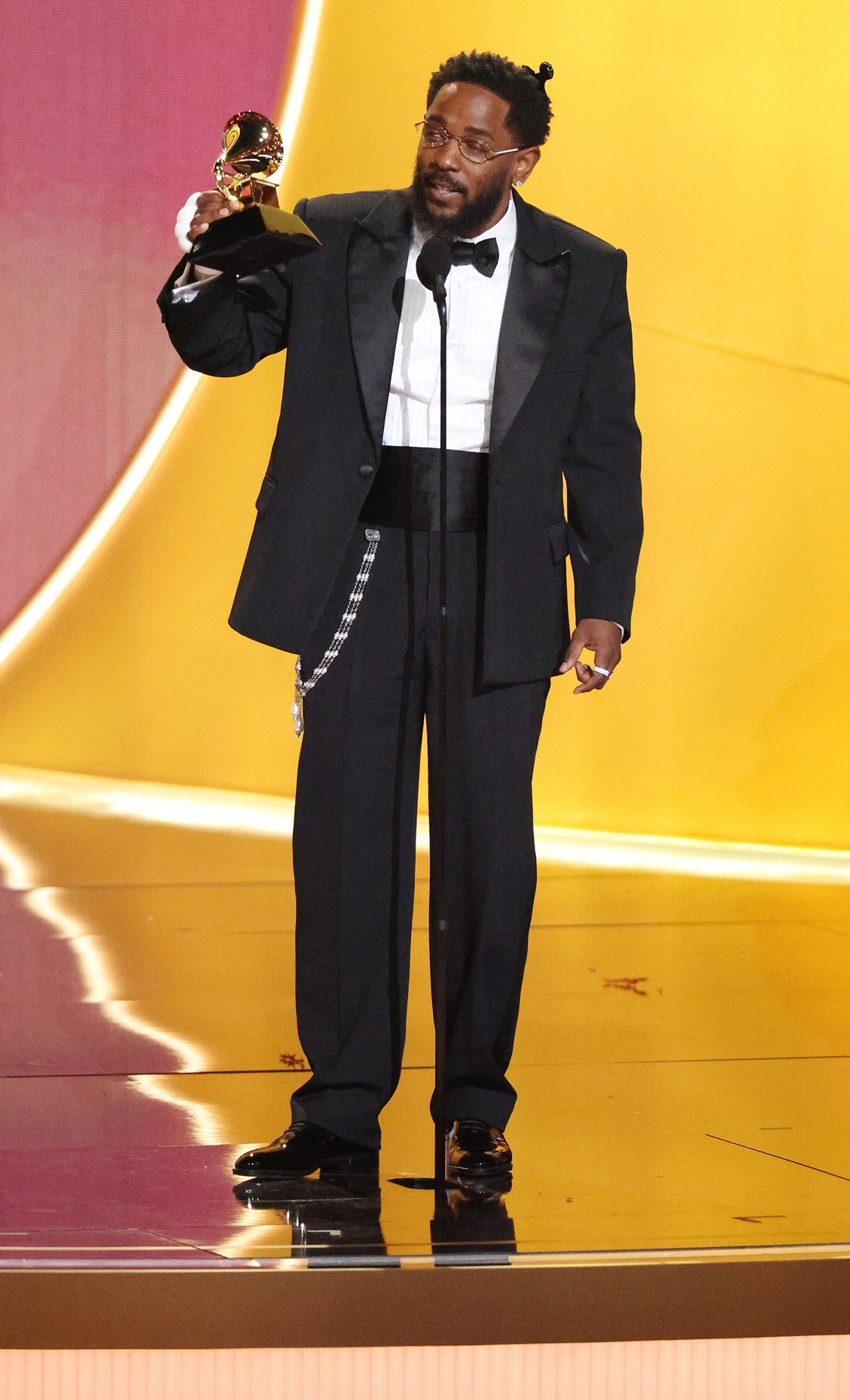
"First and foremost, let’s give a shout-out to the late, great Luther Vandross," the producer Sounwave said as he, Lamar, SZA and the song’s other creators accepted their award at Crypto.com Arena. (Before they made it onstage, Cher misread the card identifying "Luther" as record of the year and said that Vandross himself had won.) Lamar added, "This is what music is about," and expressed his gratitude for being allowed "the privilege" to use Vandross’ music as long as he and SZA promised the singer’s estate not to curse on their record.
You can hear a similar reverence for those who came before in Olivia Dean, the 26-year-old British singer named best new artist on the strength of her hit The Art of Loving LP, which looks back to the gleaming pop-soul of Diana Ross and Whitney Houston.
Even Bad Bunny, the Puerto Rican rapper and singer who became a superstar at the bleeding edge of reggaeton and Latin trap, achieved his Grammy breakthrough with something of a throwback move: Debí Tirar Más Fotos is an exactingly arranged tribute to his native island, with elements of Puerto Rican folk styles such as bomba and plena and more hand-played instrumentation than he used for 2022’s sleek Un Verano Sin Ti, which scored a Grammy nomination for album of the year but lost to Harry’s House by Harry Styles (who, as it happens, presented the album prize).
For years, the Grammys’ rearview gaze used to bum me out — and, to be honest, as lovely as Eilish’s Wildflower is, her song of the year win with the tender acoustic ballad felt like a failure of imagination among voters I wish had recognised the hurtling exuberance of Golden, from Netflix’s KPop Demon Hunters. (Golden did take the prize for song written for visual media, which made it the first K-pop tune to win a Grammy.)
Yet something about this week’s ceremony made it hard to get too worked up about all the historicising. Perhaps it was how plainly yet passionately many artists used their time onstage to speak about the issues pressing on us right now. "Before I say thanks to God, I’m gonna say: ICE out," Bad Bunny told the crowd as he accepted an award for musica urbana album. "We’re not savage, we’re not animals, we’re not aliens. We are humans, and we are Americans."
Eilish said, "No-one is illegal on stolen land." Dean pointed out that she’s the granddaughter of an immigrant and that "those people deserve to be celebrated."
Weirdly for a show with yesterday so heavily on its mind, a tribute to the late R&B trailblazers Roberta Flack and D’Angelo was a disappointment, with Lauryn Hill as band-leader moving way too quickly (in way too short an allotted time) through songs that require real space to unfurl.
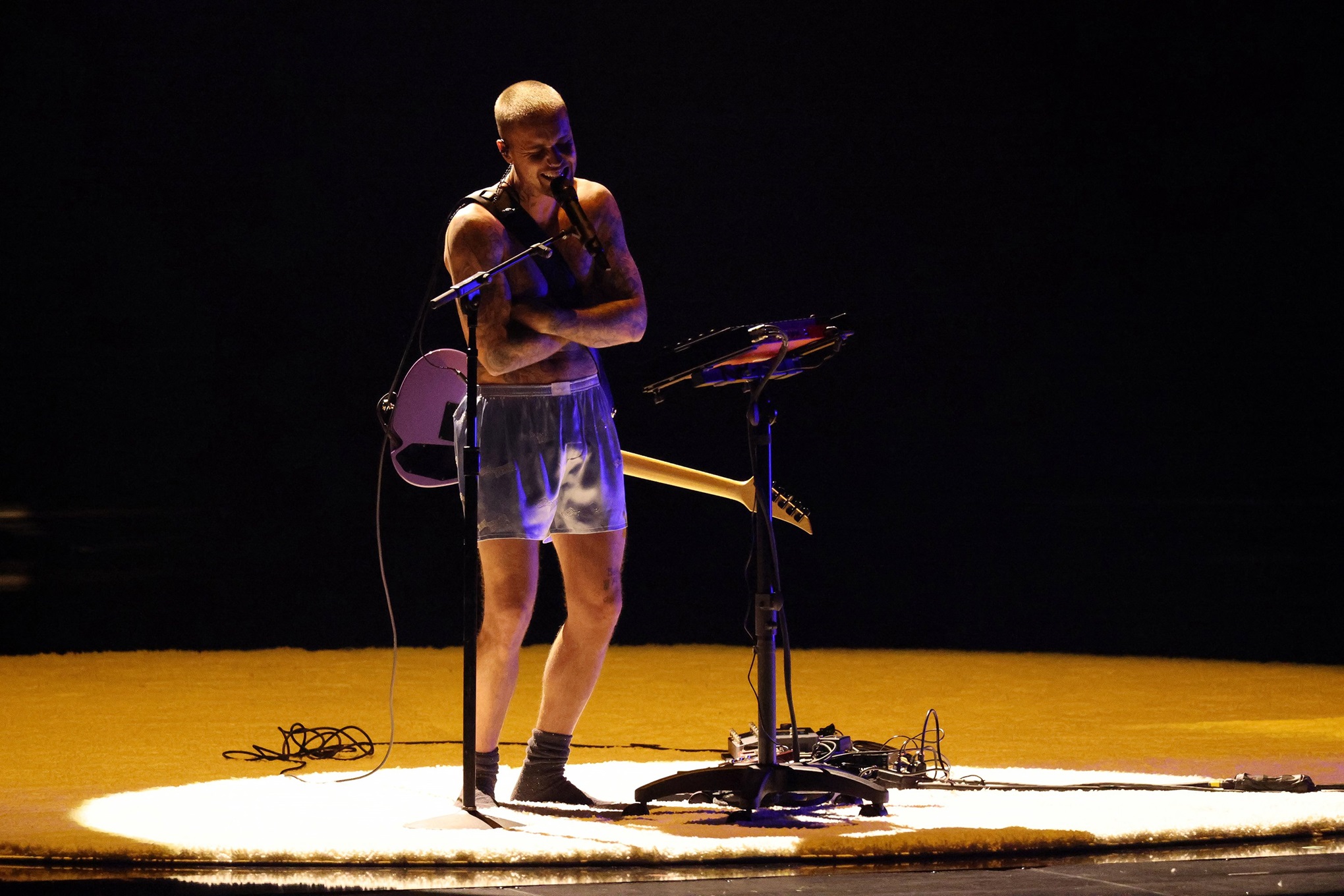
That’s what Justin Bieber had for the evening’s most striking performance: a slow and radically stripped-down rendition of his song Yukon that he sang wearing only boxer shorts and socks, accompanying himself with a scratchy electric guitar riff he fed through a looping station.
Yukon is from Bieber’s impressive Swag album, which he released last year after a lengthy stretch in the pop-star wilderness; it’s an LP, kind of like Messy, about learning to forgive yourself for your flaws, and here he sang Yukon like a guy who’d figured out — maybe a guy figuring out — how to build a life outside the punishing expectations of celebrity. The music had the past in it, of course, but didn’t feel constrained by it. — TCA


