
PHOTO
Ahead of the construction of the Clyde Dam, I was asked by the New Zealand Electricity Department to lead an archaeological survey of the areas to be inundated. We found a base at the Locharburn Station shearers’ quarters, and set to work.
The first season was spent combing the Cromwell Gorge and the entire area to Lowburn and on to Queensberry for signs of early activity. It was a revelation to find so much. Foremost, there were many rock shelters on the right bank of the Clutha that had been enclosed with stone walls to provide shelter from the bitter cold. They had all been constructed by the Chinese miners who came into the area after the initial rush had swept through. In the second season, we excavated a prehistoric occupation in the forefront of one of those rock shelters and the Chinese home at the back.
We found so much that my recommendation to the Electricity Department proposed the appointment of a permanent position, and Neville Ritchie took up the next chapter that, among other achievements, saw the restoration of the Arrowtown Chinese settlement.
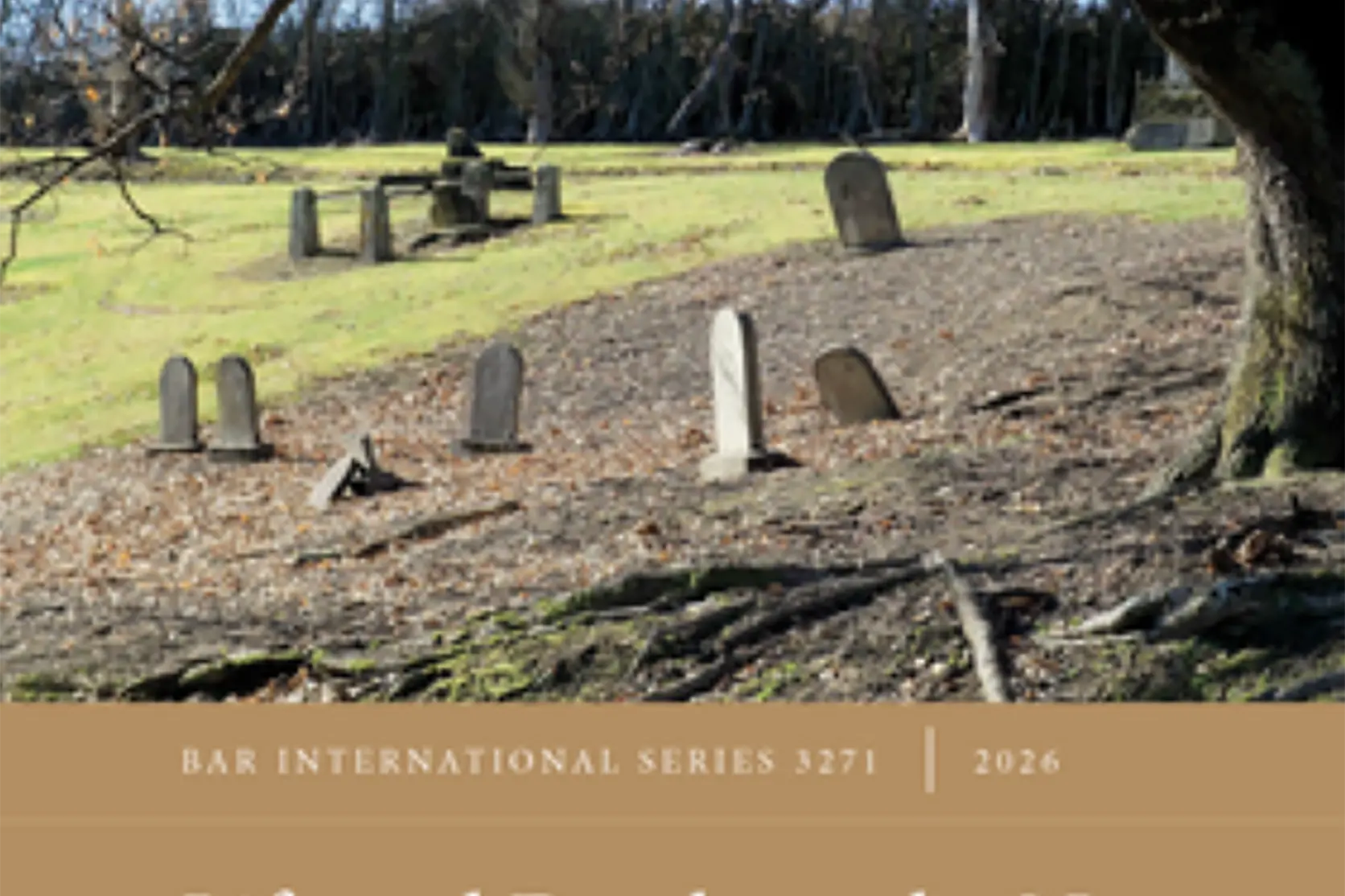
There is now a widespread interest in the Chinese contribution to early Otago history. My cousin Joanna Boileau has compiled a volume on Chinese laundries with many images of early Dunedin establishments. And this past month, the prestigious series British Archaeological Reports has published Life and Death on the New Zealand Goldfields Frontier: The archaeology and bioarchaeology of the Ardrossan Street Cemetery and Gabriel Street Chinese Cemetery, Lawrence, Otago, by Peter Petchey and Hallie Buckley, with contributions from several colleagues.
Another of my fieldwork projects was to undertake a detailed survey of the Gabriel’s Gully gold mine with recommendations for a visitor experience. It was a fascinating exercise, that harmonises well with the excavations that have been going on for some years at the Lawrence Chinese settlement. If you want a fascinating break on the way to Queenstown or Wānaka, make sure it is at this site.
The new volume reports on two Chinese cemeteries — at Ardrossan St, which was created in1861, and Gabriel St, which replaced it four years later. This is the first study of the health and life histories of some of the early miners responsible for the remarkable rise in the wealth and status of Dunedin — miners from China who have been largely sidelined in the past.