

PHOTO
Games industry veteran Jess Reiner-Reed of Insomniac Games has worked with PlayStation Studios for over 15 years, working on huge games like Marvel's Spider-Man and God of War. With Jess in New Zealand for a week shortly ahead of Insomniac’s upcoming release (September 15) of Marvel’s Wolverine — on which she has been working as senior project director — The ODT’s Ben Allan asked her a few questions about her day job, superheroes and life in a tough industry.
Q. Can you give us a bit of an idea about what your role involves on a big project like this?
A lot of my role is making sure the team is heading in the same direction towards our goals and hitting the quality bar we expect from ourselves at Insomniac.
I work with all of our directors — including our art, animation and narrative directors — and the massive wider team required to deliver this kind of game.
The people I work most closely with are Marcus Smith, our creative director, who focuses on the narrative, story and emotional journey, and Mike Daly, our game director, who focuses on the gameplay, momentum and how it feels on the controller.
I’m the other point on that triangle, focusing on the overall team, the dates we’re hitting, our wider goals and our budget. Between the three of us, we work together to make sure we can deliver the best game possible.
Q. What does a game production on this scale look like these days?
Game development — especially on a game like this, which we’ve been working on for years — really ebbs and flows in terms of team size.
It depends on whether you’re ideating during pre-production, working on concepts and developing ideas and prototypes, or closing out the game, fixing bugs and working on that final bit of polish.
Overall, it involves a group of people with vastly different areas of expertise, whether that’s animators, audio specialists, marketing and PR teams or designers. There are people across every area of expertise who have a hand in each part of the game.
Even if we’re talking about something like a Logan (Wolverine) kill or a move where he swipes with his claws, it isn’t just an animator working on that action. There’s also a designer working on the timing, an audio specialist making sure it sounds good, someone making sure it feels good on the controller, and a visual effects artist. I could name about 30 people.
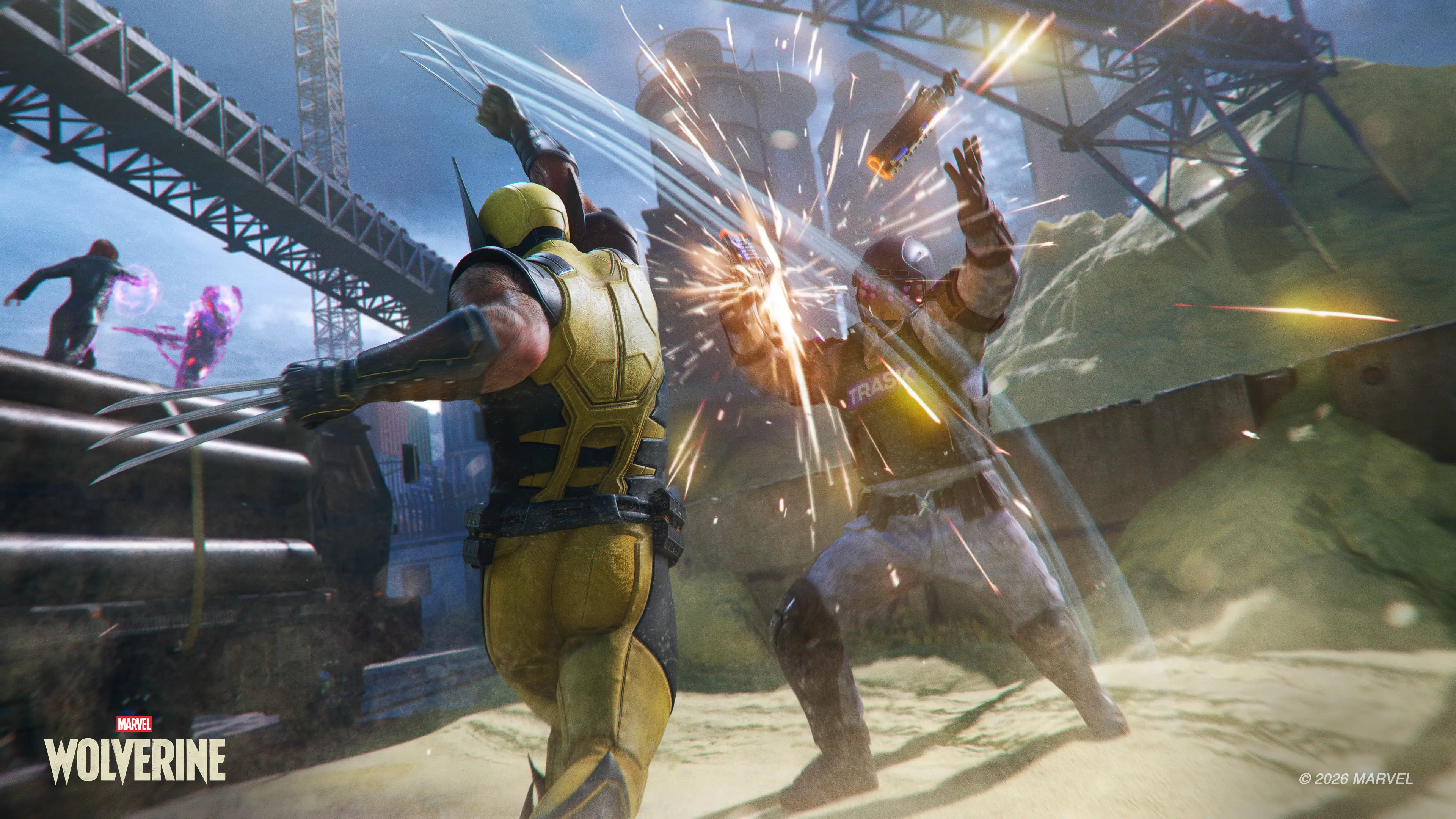
Every little part of the game is touched by so many different people who passionately want to make the best game possible.
Q. Wolverine is a character with such an extensive history in comics, film, television and so on. When you’re creating something new with him, how do you strike a balance between drawing on what’s come before and doing things that are new and surprising?
Insomniac Games and Marvel Games are obviously massive Wolverine fans. We have people on the team with strong memories of watching the cartoon as kids, while others may be more familiar with Wolverine through the movies — that’s their reference point.
Wolverine made his comic debut in 1974, so there’s a lot of history to draw from. The first thing we do is look at the parts of Wolverine’s canon that we need to get right.
We wanted to get the claw combat right. We wanted to get his mutant abilities right, including his healing factor. Of course, he also has his iconic adamantium skeleton and claws.
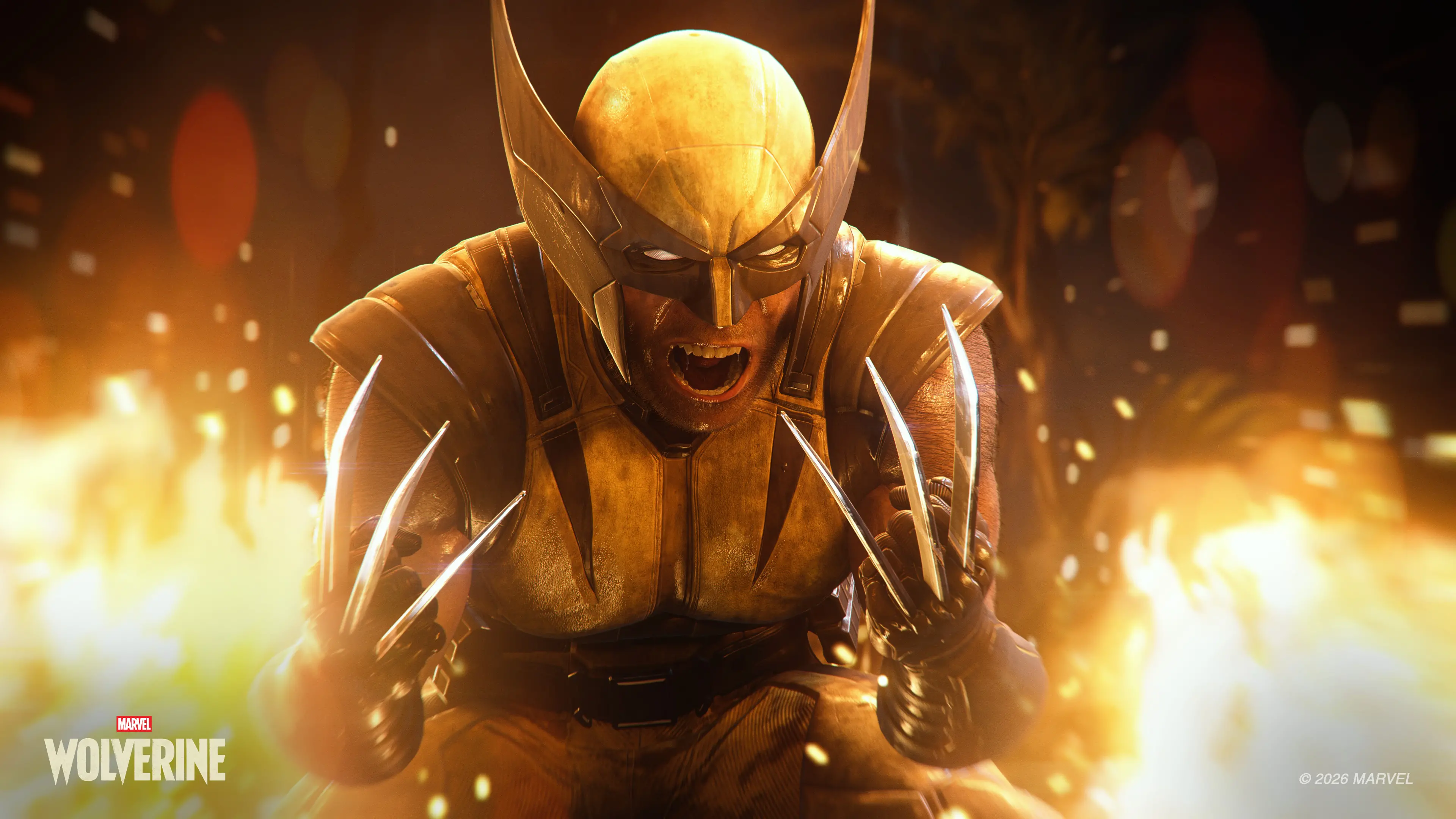
Then there’s Logan’s overall tone. He’s somebody who’s very different from Peter Parker (Spiderman). He isn’t quipping — he’s more of a quiet, gruff loner. We always want to get those aspects right because that’s what makes him feel authentic as a character.
When looking at the story we wanted to tell, we specifically didn’t set out to make an origin story. We set out to create a unique story that people will be excited to play, whether they’re already Wolverine fans or completely new to the character.
After making several Spider-Man games, I think Insomniac Games has become known for taking these iconic Marvel characters and giving them unique stories told by our developers.
Q. You moved into Wolverine after working on several Spider-Man titles. At this point, what do you think makes a good superhero game? How do you balance a shared gaming language while giving a new title its own distinct identity?
When we talk about superheroes, Peter Parker and Miles Morales are celebrated heroes. A lot of people in the city are excited to see them. They’re saying, “Please come save me,” and giving them high-fives. They’re very beloved.
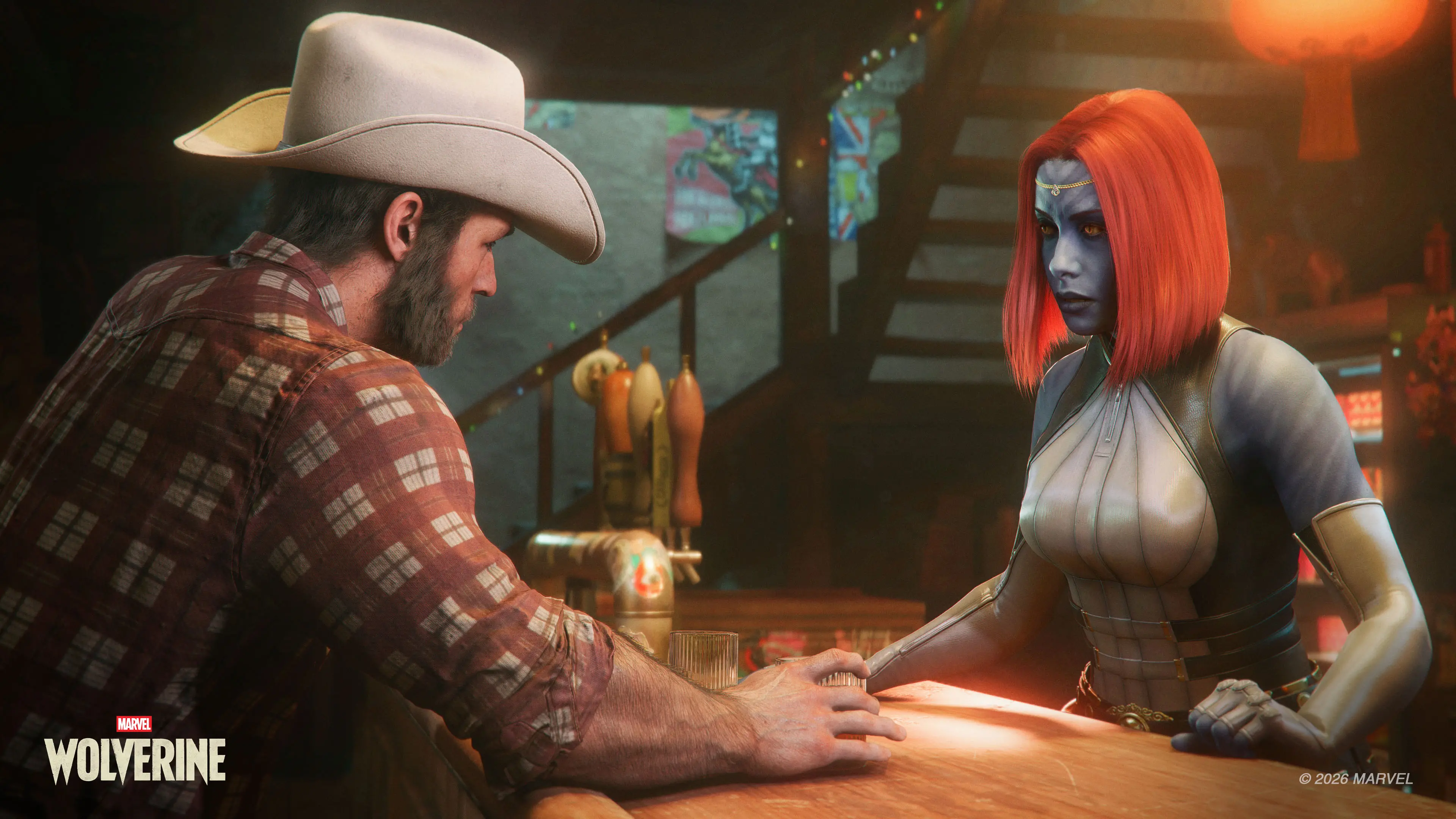
That’s a very different environment from the one we’ve created in Marvel’s Wolverine. Wolverine is a mutant, and in our world, mutants live in the shadows. They’re very vulnerable, and many people don’t even know mutants exist.
Wolverine isn’t coming from a place of being a celebrated superhero. He’s almost in hiding, and he needs to fight against the injustices affecting mutants who can’t defend themselves.
The other thing I’d call out is that whenever we’re making a superhero game— or an “I don’t want to be a hero” game — we always want to make sure we’re authentic to the character.
Our goal, especially with Marvel’s Wolverine, is to make sure that when you pick up the controller, you experience the ultimate fantasy of being that character.
Q. Marvel’s Wolverine seems to be the latest much-anticipated game that certain people on the internet absolutely refuse to be normal about. Are you able to shut out all that noise?
Whenever we release a new trailer or screenshots, our team loves seeing the fan reactions. I love watching reaction videos and seeing people on YouTube respond to the trailer.
It brings the team so much joy to see how people are reacting and how excited they are. We’ve been working on this for so many years — not necessarily in a bubble, but without being able to share it with the wider audience.
There are so many developers who care deeply about what we’re delivering, and we want to make the best game possible for people.
While we are on the internet and do read what people are saying, the development team currently has all its sights focused on making the best game possible for September 15 and maintaining a really clear vision of the game we want to make and the ultimate Wolverine fantasy we want players to experience.
Q. Dunedin, where our paper is based, is a bit of a hub for New Zealand’s video game industry. However, it’s been an incredibly tough time for the industry at large recently. With the experience you have, what advice would you give anyone looking to get into games as a career at the moment?
There are difficult times in the industry, and I don’t want to be tone-deaf about that at all. I understand, and my heart goes out to the different studios that are experiencing difficulties.
For people looking to enter the industry, I think one of the first things to do is figure out which aspect you’re most passionate about and where your talents lie. There are so many different pathways into developing games.
As I mentioned earlier, we need more than 20 different areas of expertise to make something feel great on the controller and look great. If you’re really good at audio, perhaps you pursue an audio pathway. Maybe you’re fantastic at writing but can’t draw at all — in that case, pursue writing and really focus on that.
Finding where your passion and talent lie, and then determining how those can fit into video games, is a really great route.
If you get the opportunity to do an internship or something similar, ask lots of questions and be a kind human being. The people we want to work with are collaborative and curious. Bringing those qualities to game development is only going to help us make better games.
— This interview has been edited for clarity and length.