PHOTOS: GETTY IMAGESSummer’s longer days and warmer weather motivates many of us to think about freshening up the outside of our homes.
Kim Dungey asks Henry van Turnhout, operations manager for Dunedin’s Mr. Decorating and a former technical trade rep for Resene paints, for some insider tips.
Q. How often should we paint the exterior of our houses?
Generally, [it] depends on what the substrate is. A plaster home will generally require repainting every 10 to 12 years whereas a wooden villa will require maintenance much sooner than that, especially wooden windows which will usually require extra work within three to four years as timber expands and contracts and this will open up on the joins, allowing moisture in.
Lighter colours will last longer than darker colours, especially on a timber substrate.
Annual washing is highly recommended as it removes all sea salt and other wind-blown contaminants and will prolong the life of any paint system. Coastal homes will require washing more often and should be done every three months.
Q. How do I know how much paint to buy?
Most paint suppliers will help with the quantities of the paint required. All a homeowner needs to do is take in the rough measurements of their home and shop staff will work out exactly what they need to get started.
Q. What size and type of brushes are best? Is using an airless sprayer a good idea?
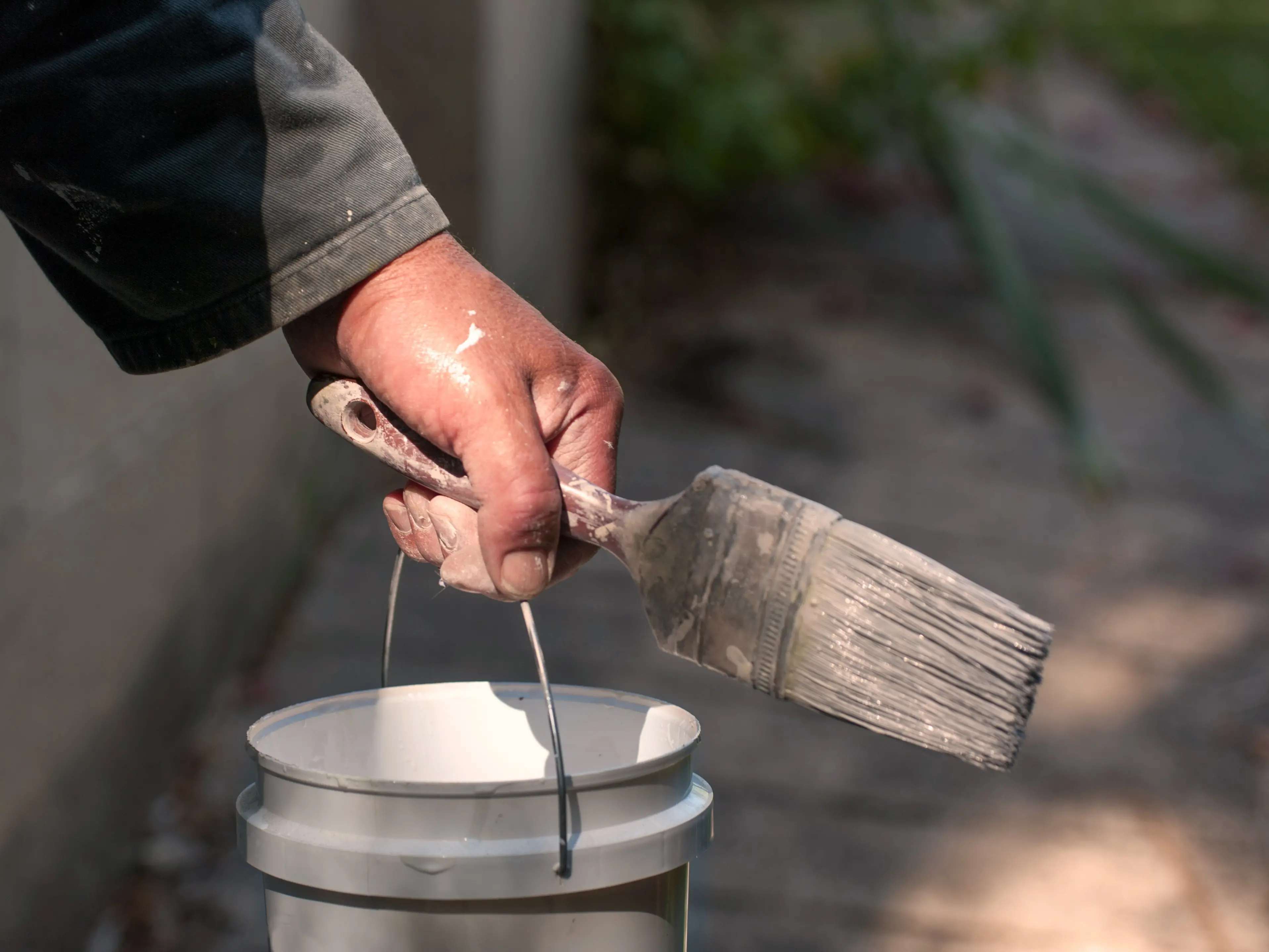
This depends on the substrate. Generally, a 63mm to 75mm brush is best for weatherboards, whereas most plaster homes are painted using a roller. It depends on the texture of the plaster as to what nap is required on the roller. Brushing and rolling is better than spraying as you are working the paint into the substrate you are painting.
Q. What preparation do you recommend? Is using a primer always necessary?
Preparation is the key to any painting job and is the biggest part of the job. Moss and mould killing, followed by washing, are the first steps. Then removing all loose paint by scraping, sanding, filling [any imperfections] and repriming those areas. I would always prime all bare areas.
Q. What’s the ideal time to paint?
The best time is from early spring to well into autumn. The middle of summer can be problematic on hot days but you can paint following the sun [paint where the sun is not directly on the wall that you are working on]. However, there are now many additives that can be added to paint to slow down the drying time and give you more workability. There are also additives for cooler temperatures, which means you can paint the exterior of your home at almost any time of the year. Of course in winter, the hours that you can paint are greatly reduced and I wouldn’t recommend painting after 2pm.
Q. Where do I start?
Generally, the order of painting a home would be to start at the top and work your way down from the fascias and soffits.
Q. What’s the best way to apply paint?
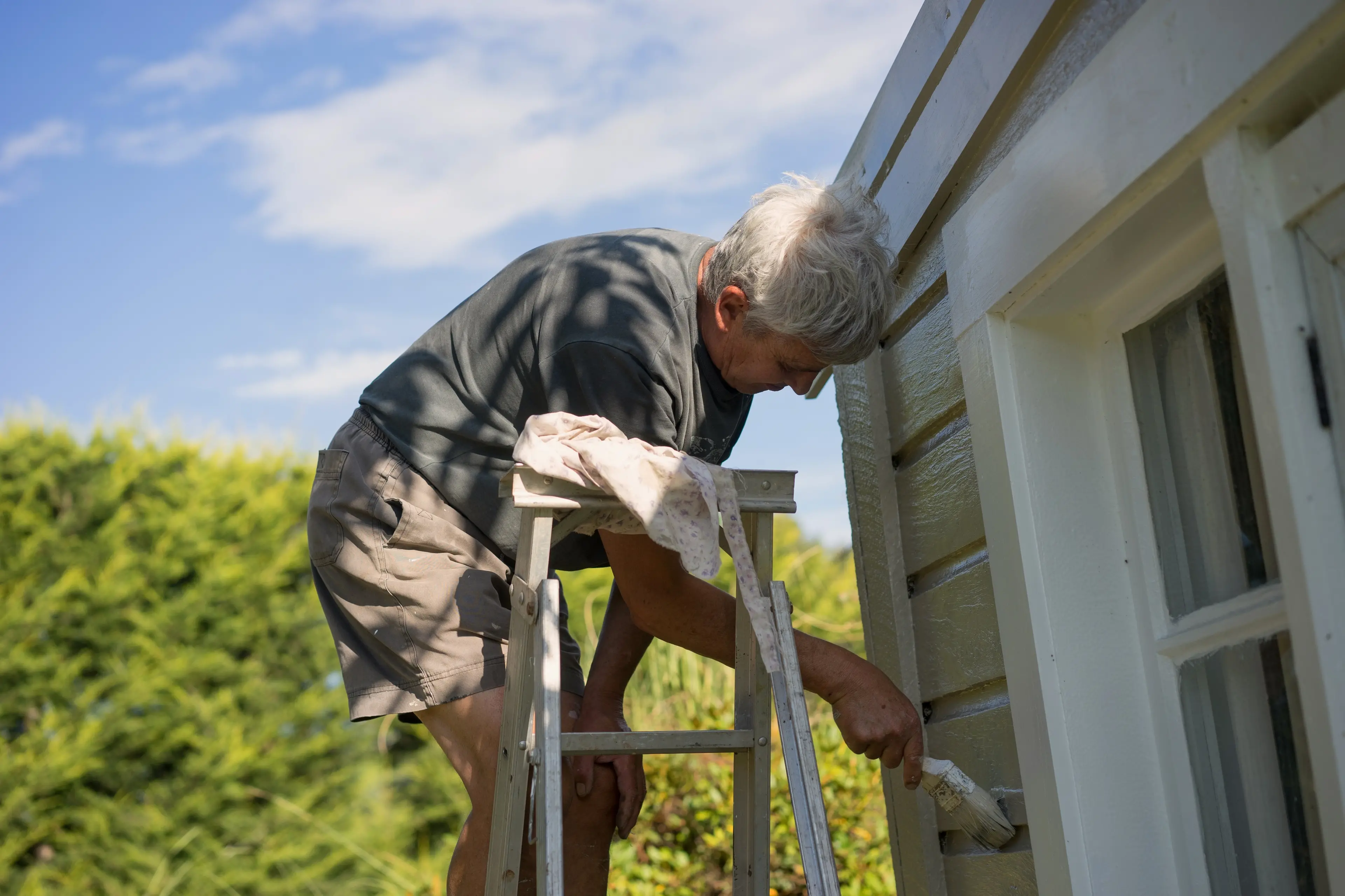
Weatherboards are generally done a couple at a time lengthwise, especially with stain, making sure you keep what is called a wet edge. [This means the end of your painted area is still wet before the next stroke is applied, preventing brushstrokes from showing in the finished job. If you allow the paint to dry out halfway along the weatherboard, there could be a visible line — or lap mark — in the paint].
Q. What are the most common mistakes beginners make?
The repainting of a home is a big undertaking for beginners. If you can afford it, hire a professional. A homeowner could spend many months repainting their wooden villa and that’s a lot of weekends spent scraping and sanding. Preparation is the key and "do it once, do it right" is the best advice. Skipping a process will only reduce the life of the paint system, which means starting all over again.
Also, checking wooden windows every couple of years and fixing them up when they are just starting to open up in the joins makes for an easy touch-up. Leave them for too long and it becomes a big job.
Q. Any other hacks you can share?
Start work on the back of the home as no-one can see that, and always remember paint is only temporary and needs constant maintenance.
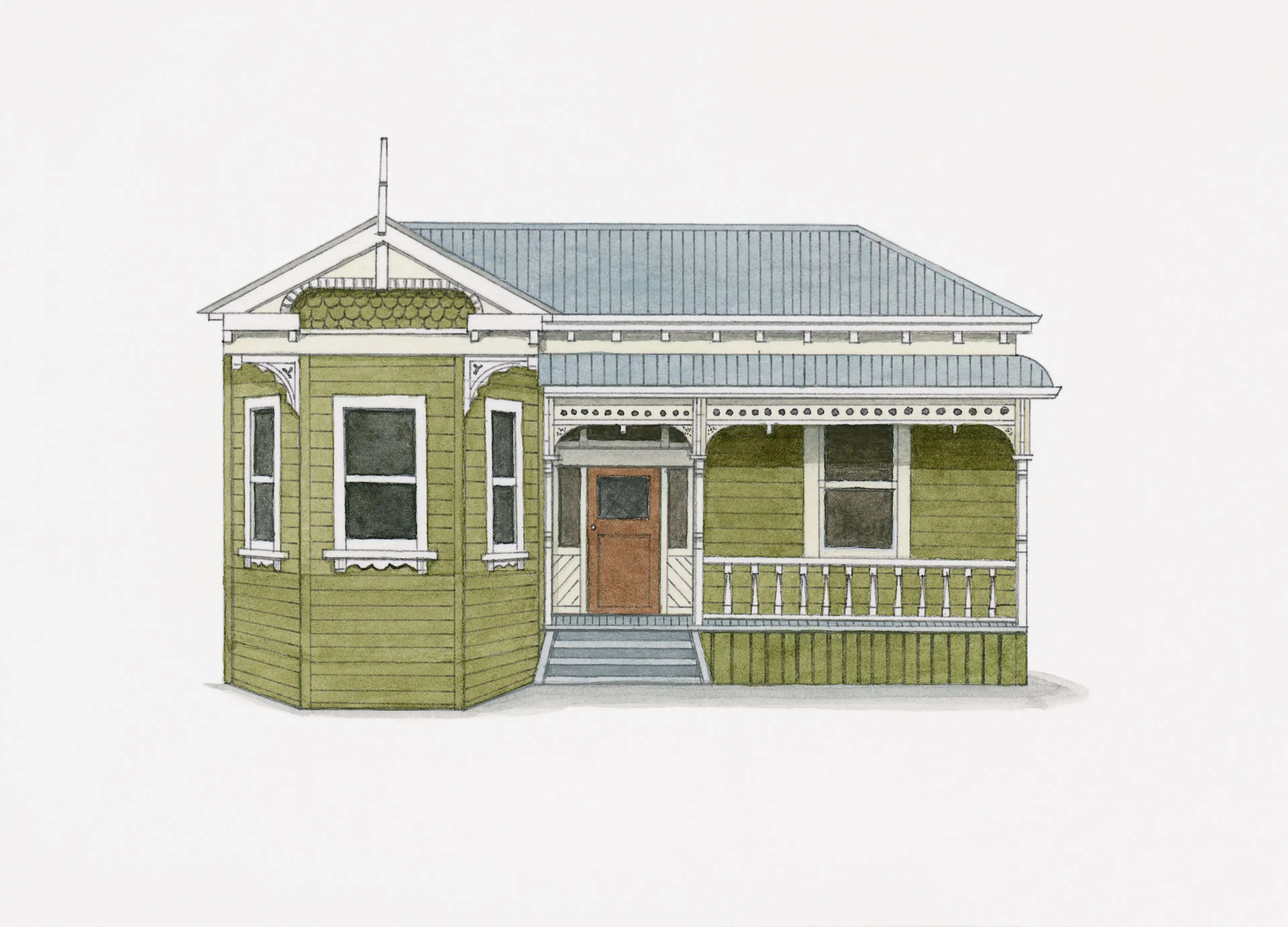
Most houses in New Zealand built before 1970, such as the standard bay-fronted villas of the 1900s, were coated in paint that contained lead, so test before disturbing old paintwork. ILLUSTRATION: GETTY IMAGESFurther tips
Lead paint
Most New Zealand houses built before 1970 were coated with paints that contained lead and exposure to even small amounts presents a serious health risk.
Before disturbing any surfaces, use a test kit (available from paint shops) or a lab to find out if lead is present. If it is detected, you will need to follow strict safety protocols.
Go to https://info.health.nz/ health-topics and click on "lead-based paint" for more information.
Colour trends
When it comes to choosing exterior paint colours, homeowners are moving away from stark greys and whites, towards warmer, softer neutrals.
Resene colour consultant Meryl Southey says these "earthy, nature-inspired" neutrals include soft olives, sage greens, buttery beiges and warm browns.
"Creams and off-white warm neutrals are [also] softer alternatives to grey-whites and stark whites ... pairing well with layered materials like stone, wood or metal."
However, bold accent colours such as navy, teal and charcoal are popular for front doors and trims.
Factors such as sun exposure, light direction and the texture of exterior claddings can alter how colours will appear so it is a good idea to test them where they will actually be used before finalising your choices.
Light colours reflect heat, which means interiors remain cooler and there is less heat- related damage to vulnerable substrates, Ms Southey says.
They can also show more dirt, rust staining, mould and can look brighter in high sun or coastal glare.
Dark colours provide depth, character and modern appeal and hide dirt better initially.
However, they absorb heat and are often restricted by cladding warranties.
If you plan to use them, Resene recommends using a cool colour formula, which reflects more harmful UV light and heat away from the surface to help protect the integrity of the substrate.
A good option is to use light colours for longevity and performance, and darker colours for interest and "grounding", Ms Southey says, adding that homeowners should also consider their location.
"For example, in a rural location, earthy mid tones feel timeless, whereas in a suburban location, dark homes can become dated ..."