

Vegetables
Harvesting peas after the beginning of February can be a challenge. By the second month of the year, many soils have become too dry for the plants to grow and the pods to fill.
Peas like their roots to be cool and kept moist, so it is almost impossible to produce a good crop of late peas on dry, shallow soils, unless the area is well cultivated and plenty of humus is added.
After watering in dry weather, mulching with lawn clippings or compost will give peas a boost.
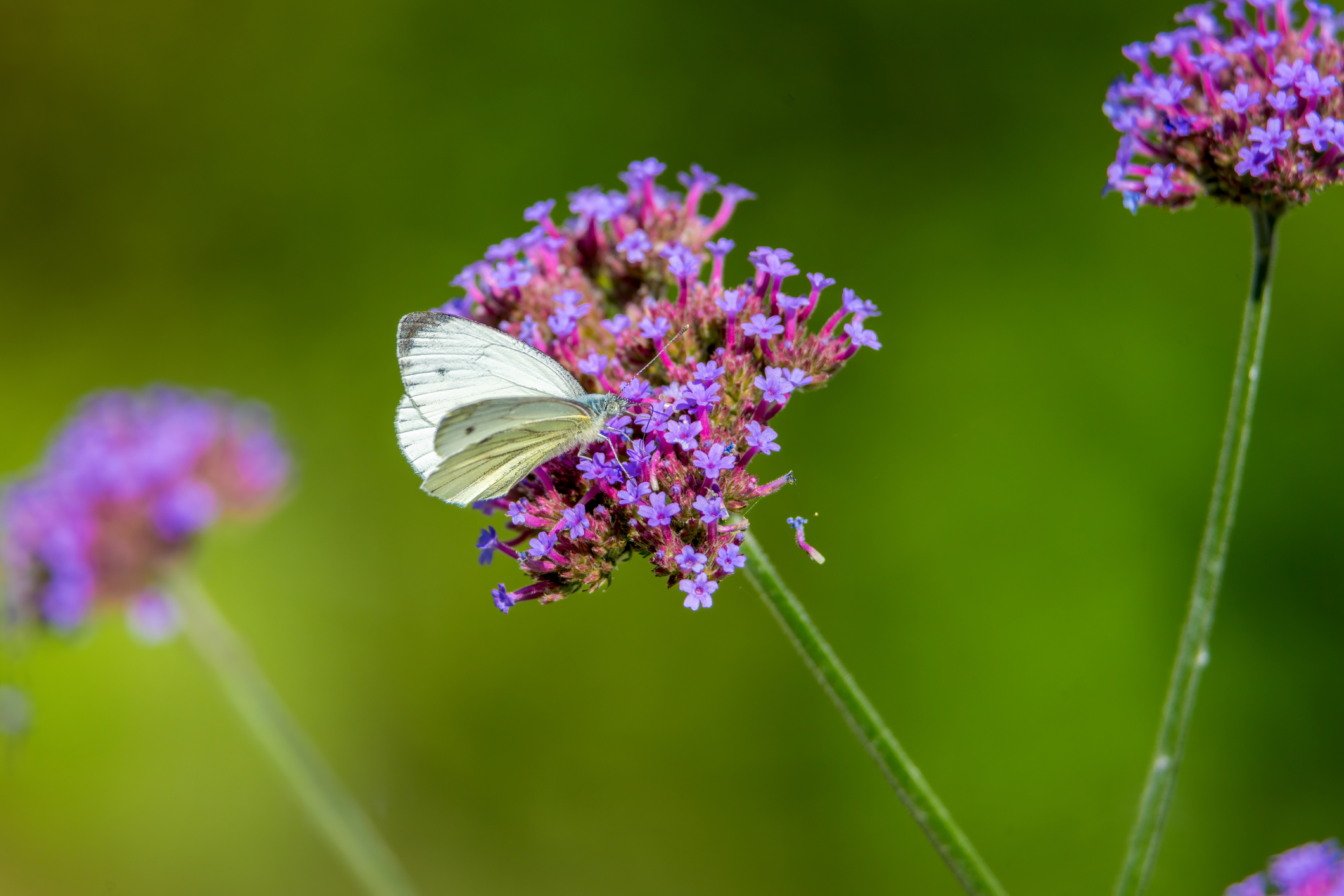
White butterflies are seen from now until late autumn. They can be kept under control by treating plants with derris dust. Do not use plants within a week of dusting and wash thoroughly before eating.
Grey aphids multiply rapidly as the weather warms. The bluish-grey colonies live on both sides of leaves, which can curl and twist as the pests’ sucking activities damage the tissues.
A simple spray of dish-wash liquid mixed with water (15ml dish-wash to 1 litre of water) will help keep plants clean and healthy.
Potatoes planted in August will be maturing and ready to eat for Christmas dinner. Dig them just before using, two days ahead at most, because the immature tubers do not store well.
When left in the soil, they will continue growing and even a few extra weeks in the ground can produce a crop that is twice as heavy.
Main crop potato plantings will be ready for a final earthing up. A dressing of sulphate of ammonia (50g per metre of row) will encourage the extra foliage growth necessary to convert sunlight into food materials.
By now, no more asparagus should be cut, so the plants can build up food reserves in the roots for next season’s crop. Weed or cultivate carefully among the plants (crowns) to avoid damaging the fine, feeding roots.
The plants are most active at this time of the year and will benefit from a mulch of garden compost, mixed with blood and bone manure (200g to a 10-litre bucket of compost). This mulch also helps keeps weeds down.
Flowers
They rarely get it, but flowering annuals deserve the same care given to vegetable crops. The roots of many annuals are short-lived and rather feeble, and if there is too much competition for the available food, they suffer.
Young plants that have a single stem with one flower bud should have that bud nipped out to encourage bushier growth.
Roses picked for indoors should be cut just above a five-fingered leaf. This form of summer pruning helps ensure a good display in autumn from repeat-blooming varieties.
Do not pick flowers when they are wet.
Cutting off withered blooms regularly will give a longer flowering period. This is especially true for sweet peas.
Rock garden spring displays will be over, so faded flower heads and seed pods should be removed.
Spreading plants can be trimmed back a little to encourage strong basal growth and prevent dry centres forming.
Alpine plants that have finished flowering can be trimmed back. Look out for slugs and snails hiding under the cover of foliage.
Primroses and polyanthus can be divided in early summer. These plants need ample supplies of manure or compost, so mix a generous amount into the soil before replanting. Water generously until the plants are established.
Gazanias are reliable plants for hot, sunny banks and corners. Although perennial, they are only half-hardy, with limited tolerance of frost, so cannot be wintered over in most of the region.
Lawns can have a twice-yearly dressing of a commercial mix containing superphosphate and sulphate of ammonia. Scatter 30g of the mixture for each square metre of lawn and water well.
Fruit
Loganberries, cultivated blackberries and related plants tayberries, youngberries, boysenberries and marionberries can have their fruiting branches removed entirely once the crop has been harvested.
Some thinning of new growth might also be needed in vigorous plants, and tie up canes that are to bear next season’s fruit so the wood is exposed to the sun to ripen it.


