
PHOTO
It will be the last time a rare medal won on the shores of a Greek island gets an outing on Anzac Day in a story of one good deed deserves another.
The medal was awarded after the efforts of a young man who had a strong voice and used it to help save his colleagues.
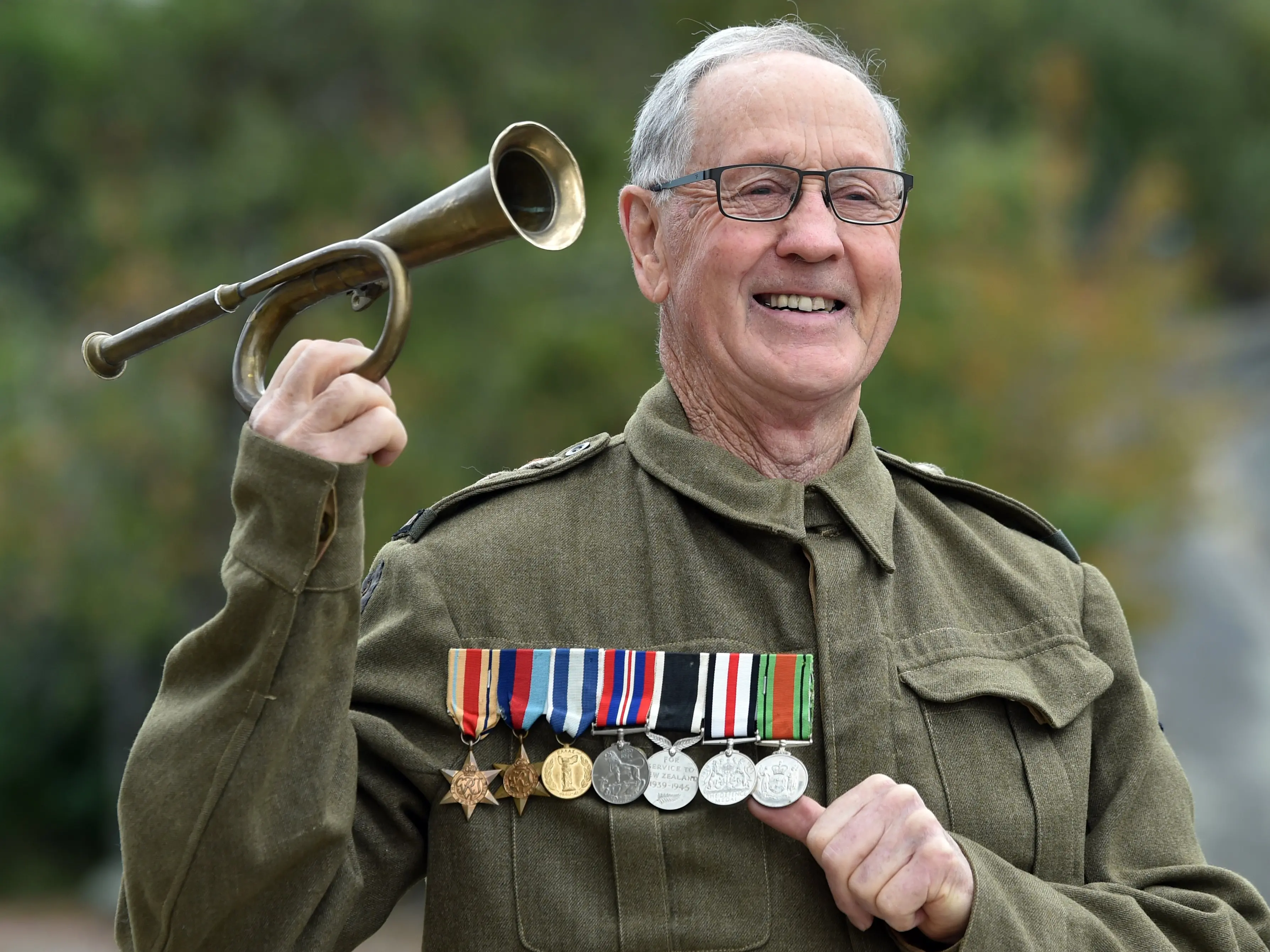
Dunedin man John Fraser had worn the medals of Captain Colin Dalton for many years as a tribute to the man and his actions as part of the Allied efforts in Crete in 1941.
The allies did not fare well in Crete in 1941. After they were hit hard by German air attacks, the decision was made to retreat from battle and evacuate the island.
With skies full of enemy planes and little room for cover, it was a scramble to get on board a departing boat, Mr Fraser said.
Capt Dalton, who hailed from Mayfield in Mid Canterbury, was one of the last soldiers on the last boat to depart. The ship was repeatedly bombed and its rudder was knocked out. The ship still floated and made its way out to sea.
With the electronics knocked out, the ship turning regularly to try to steer properly, propellers going on and off and all the men in the hold in darkness, panic soon took hold.
Cries of death rang out, but then Capt Dalton took charge. He may have only been 18, but had a booming voice.
He shouted orders for the men to stop wailing — ‘‘die like men’’, he bellowed.
The bombing then stopped and a fleet of ships a little way out met the boat and every man in the hold was saved.
Capt Dalton eventually made it back to New Zealand — the rest of his World War 2 service is unknown — and his first port of call was Wellington to pick up an EAAAE medal from the Greek consulate for his efforts. The medal is awarded to those who served in Crete from 1940-41.
Mr Fraser was the pharmacist in Riverton and got to know Mr Dalton and his wife Ellie in the late 1980s after the couple retired to Riverton. A real friendship grew, the pharmacist helping them with their health as they got older. The couple had no children or family.
In 2005, Mr Dalton died and his wife asked Mr Fraser to take his sword, bugle, jacket, papers and, of course, his medals.
Mr Fraser has worn them in every Anzac Day parade since with pride. Now, at 86, he said he would be there on Saturday, but would then put the medals away as he was getting older. He would send them to the RSA to look after.
‘‘They may end up gathering dust in some wardrobe, but I will wear them one last time. It is a real honour to wear those medals for what he did.’’