
PHOTO
If we could travel back in time, to when would we return? The Egypt of the Pharaohs? Kupe’s first footfall in Aotearoa? It’s an interesting question and one answered in various ways and at various times by novelists, filmmakers, poets and musicians who place their work at a particular point in the past.
Now, suddenly, the very times we are living through recommend themselves as a setting for song and fiction. It turns out that we are living through tomorrow’s history.
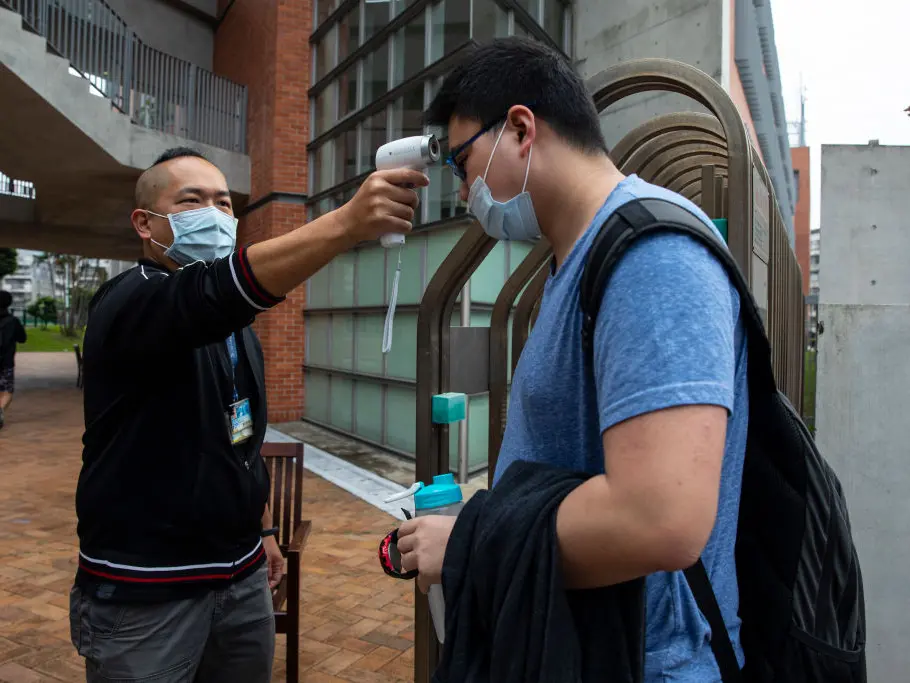
Covid-19 has touched every aspect of society. It has quarantined some at home, while thousands of others have soldiered on in scrubs and lab coats, confronting a virus that has gripped the world. But while we adjust to this new normal, we might not recognise that we are playing a role in a significant moment in history; a time that will likely institute lasting change.
The question arising from that is whether an awareness that history is being written as we live helps us to better navigate its challenges.
Could it be that by viewing our experience as a page in history we might approach the challenges of Covid-19 with more empathy, for example? Would it help us take lessons from the past to inform our future?
A clearer view of history might have meant public health systems in Italy, Spain, the US and elsewhere would not have been overwhelmed by the pandemic in the way they have been. Those close to New Zealand’s health system say there are lessons for us too.
Despite unprecedented isolation measures, countries are experiencing tens of thousands of deaths and the economic effects will impact many more and be more widespread still. Yet, despite its ugly consequences, from this adversity could come much needed progress.
Former US President Barack Obama observed that "history can travel backwards; history can travel sideways". Obama echoes historian E.H. Carr who stated that "no sane person ever believed in a kind of progress which advanced in an unbroken straight line". Adversity often drives change and progress and we can learn from it.
War has often been the crucible, as demonstrated in the years of World War 2.
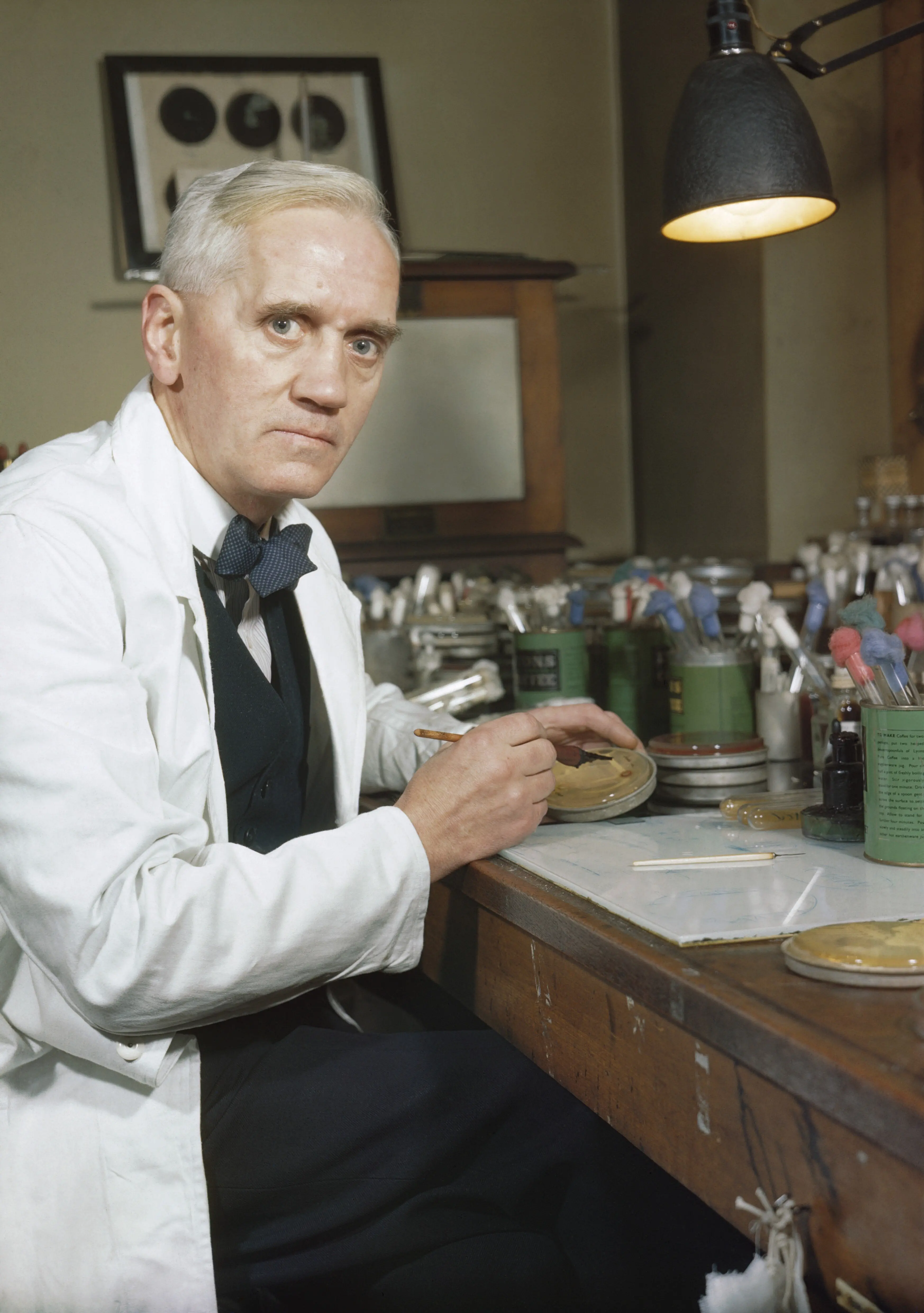
Penicillin, though discovered by Alexander Fleming in 1928, was developed and produced on an industrial scale during the 1940s. The 1945 version was 20 times more effective than the 1939 version. Antibiotics have saved untold millions of lives since.
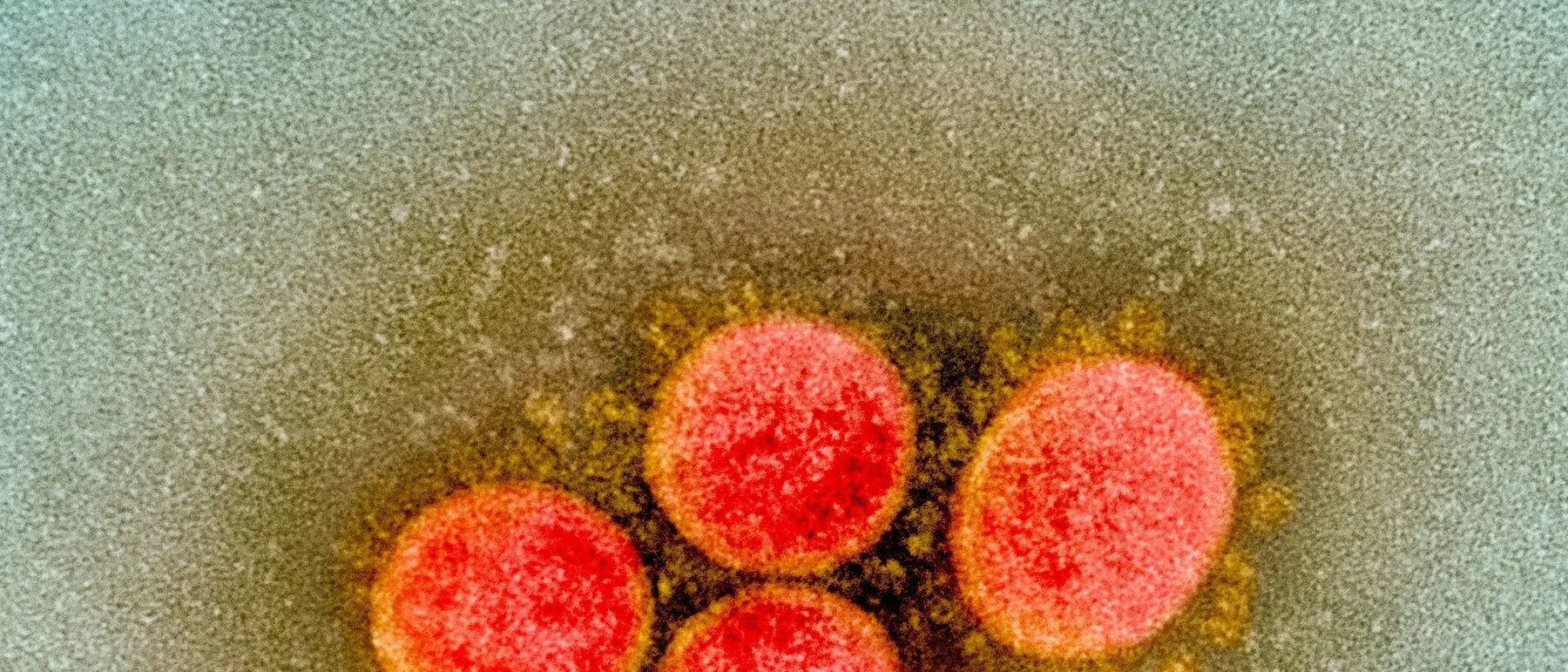
Disease has long shaped human history. Its RNA is in our DNA.
In historical terms, Covid-19 does not compare with the Black Death. It killed an estimated 25million-30million in 14th-century Europe, serving as a catalyst for the end of feudal society and serfdom.
Dr Ayesha Verrall, a senior lecturer at the University of Otago in Wellington who specialises in infectious disease, emphasises the value of learning from history to prepare ourselves to face a pandemic.
"If you look at the countries that have successfully pursued an elimination approach, they are countries that experienced SARS in 2003. They have learned the lessons from history.
"In contrast, we have had underinvestment in our public health infrastructure for years," she says.
Among those countries to have coped relatively well is Taiwan, which was impacted by Sars.
"To stay out of lockdown we need strong public health systems—– surveillance, case identification and contact tracing," Dr Verrall says.
Public health systems need to be built up to a level where we can achieve that, she says.

Gaps in the health system were widely reported before the pandemic; their symptoms included long waiting times, hospital board deficits and an ageing workforce in general practice and elsewhere.
Dr Sally Talbot, a Wellington GP with 30 years’ experience, and a University of Otago graduate, describes the immense pressure felt by the primary care sector, and says much of it predates the current health crisis.
Before Covid-19, privately run general medical practices were already coping with the overflow from an underfunded public health system and growing demands from an ageing population, while their own business costs remained high and increasing, she said.
The pandemic has exposed those financial pressures, while adding extra costs at a time of reduced demand for normal services.
Dr Talbot says there should be "a much larger financial stake taken in primary care by the Government".
"Certainly, the pandemic has very quickly revealed the financial vulnerability of primary care."
One immediate impact she anticipates is increased use of IT by the health sector, particularly in the form of telemedicine.
It is this ailing health system that we relied on to confront the pandemic, and will again with any in the future. How it manages will provide lessons from this real-time experience of history.
That said, New Zealand’s lockdown has emerged as a relative success. New Zealand may be one of few countries in the West to eliminate, rather than contain, the virus. We may provide lessons for others.
Impacts will be felt much more widely than the health sector though.
Dr Dennis Wesselbaum, of the University of Otago Department of Economics, says since the end of World War 2, the world economy has not faced a more serious crisis than the Covid-19-induced recession.

But while the Covid-19 crisis will be remembered for the lives lost, it also offers a unique opportunity for governments to influence long-term growth, he says.
"Especially in New Zealand, where the debt-to-GDP ratio is only around 30% and, hence, extremely low, a large stimulus programme involving spending on infrastructure (e.g. roads, harbours, airports), education (re-designing the way schools and universities are funded), green growth initiatives (e.g. energy efficiency), and R&D could put the economy on a strong, sustainable growth path."
There are also less optimistic views being expressed.
A recent opinion piece by the Boston Consulting Group included the view that the crisis could accelerate nationalistic tendencies globally.
"Some commentators are already talking about the possibility of a ‘great decoupling’ of international interdependencies."
There are echoes of history in both of these analyses.
Associate Prof Angela Wanhalla, of the University of Otago’s history department, says studying history is critical to interpreting and understanding the present.
"We can look to wartime New Zealand in the 1940s, or the response to the Great Depression in the 1930s, to get a sense of the immense impacts of global events. Today, in our current situation, there are echoes of the past, especially in the Government response, but also in the anxiety we feel about the future.”
This knowledge can inform the way we see Covid-19, Prof Wanhalla says.
"The 1918 flu epidemic is a good example of how a pandemic has effected the world in the past. Looking to history shows that it is only recently that medical science has been able to defeat many of the infectious diseases common in the past, but the current crisis shows that we are not invincible."
- Alice Taylor is a University of Otago humanities intern at the Otago Daily Times.