
PHOTO
If you thought food prices were expensive before Israel and the US decided to wage war in the Middle East, they are going through the roof now.
So, anything you can do to buffer your family and community from rising prices and food shortages is a plus.
cv

We can’t do much — I can’t grow enough wheat in our backyard for more than maybe one loaf of bread, at the expense of using the space for anything else, but hey, we have to play to our strengths.
I can grow massive marrows and kumikumi, but they can be a bit of a drag to eat day after day.
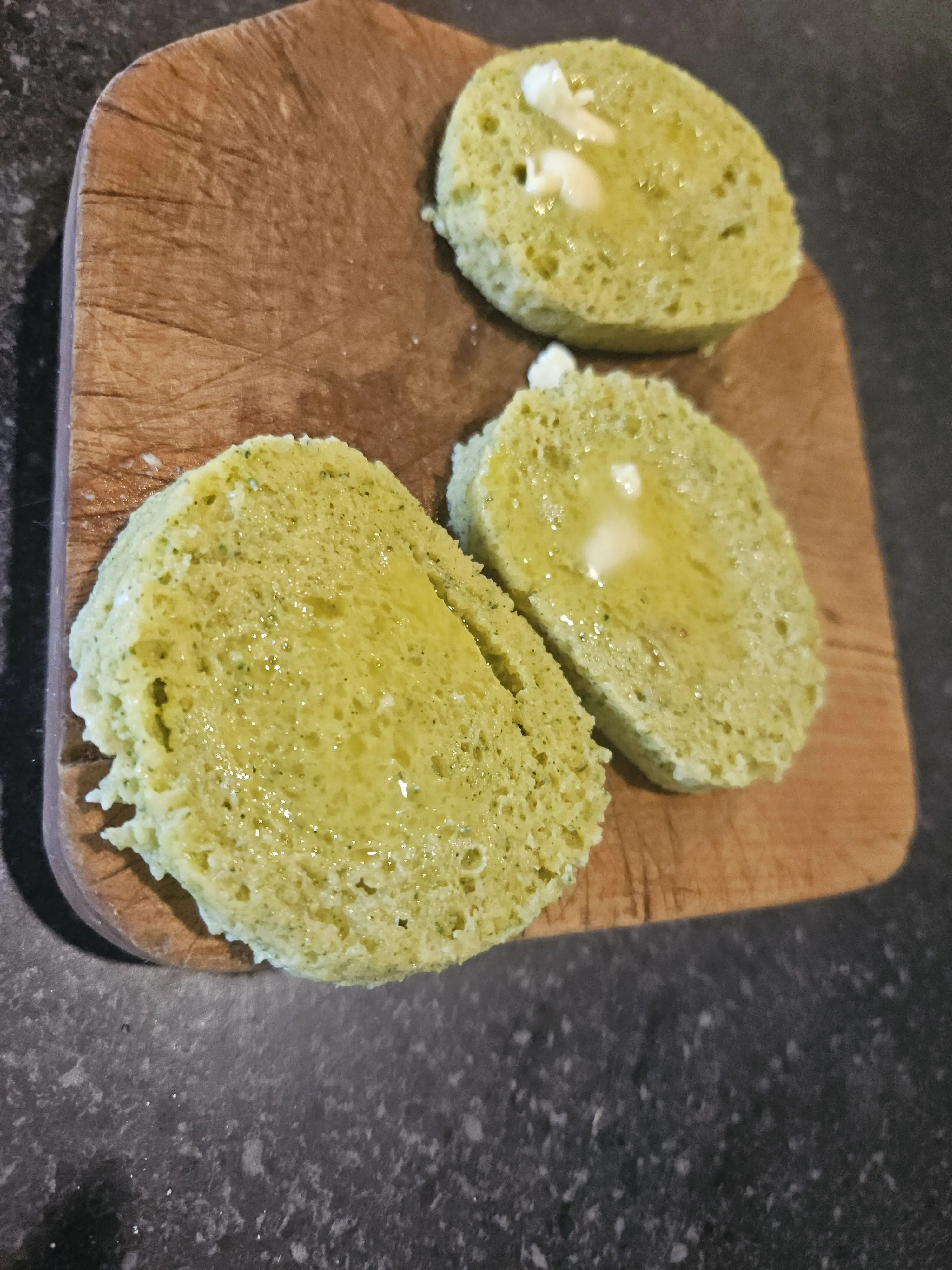
I have made a breakthrough though, it takes work and it is not a spongy white sliced loaf, but I can make bread out of zucchinis and marrows. Sounds weird?
It is weird, very weird, but it works.
Mug bread is a thing invented by people on a ketogenic diet, as you can make a passable bread substitute from almond and coconut flours, which are low in carbohydrates.
It is hard to make normal yeast-raised bread with any flour with no gluten in it, so this technique is a work around, but I have discovered I can make bread from zucchini flour, which I have in abundance.
Here is how to do it.

I have a mountain of marrows, they keep reasonably well in a cool dark dry place, but when one starts to go off I dehydrate it (we have solar power so this helps keep it cheap).
However, you could dry it on trays on the dash of your portable dehydrator — your car (while you can’t afford the fuel to drive it).
So, I chop the marrow into lengths, cut off the skin, then grate — I use a food processor with a grater attachment, but you could save on gym membership by hand-grating it (swap arms for a more evenly muscled look).
Spread out the grated marrow on dehydrator trays and dry, it doesn’t take long.
When it is really dry, store in an air tight container. I grind mine into flour using a coffee grinder, but you could use a blender, or, if you are still insisting on the home gym, you could use a mortar and pestle.
To make fresh mug bread for one, mix 1 tablespoon of zucchini flour with 1 egg, Πteaspoon of baking powder and a tablespoon of oil or melted butter.
Whisk well with a fork, then leave for one minute for the ingredients to absorb.
I just mix mine in the mug to save on dishes. Use the widest, straightest-sided mug you have, or a ramekin.
Put the mug with the mixture in it into your microwave for 60 seconds to cook.
When it is done it will have magically turned into a moist little bun. Tip it out on to a plate.
You can get about three slices, which you then slather with butter or margarine. I use it under poached eggs, or to serve with a bowl of soup. I tried it with jam, which was weird but nice, it is sort of like a pumpkin scone.
So, while experimenting with bread I can grow in my backyard, I had a try at some other versions using the same basic recipe.
Acorns and sweet chestnuts, which I have previously discussed in this column (just search for my articles in the ODT website), can also be used and work perfectly too.
The sweet chestnut mug bread is slightly sweet and would work well with jam or honey spread on it.

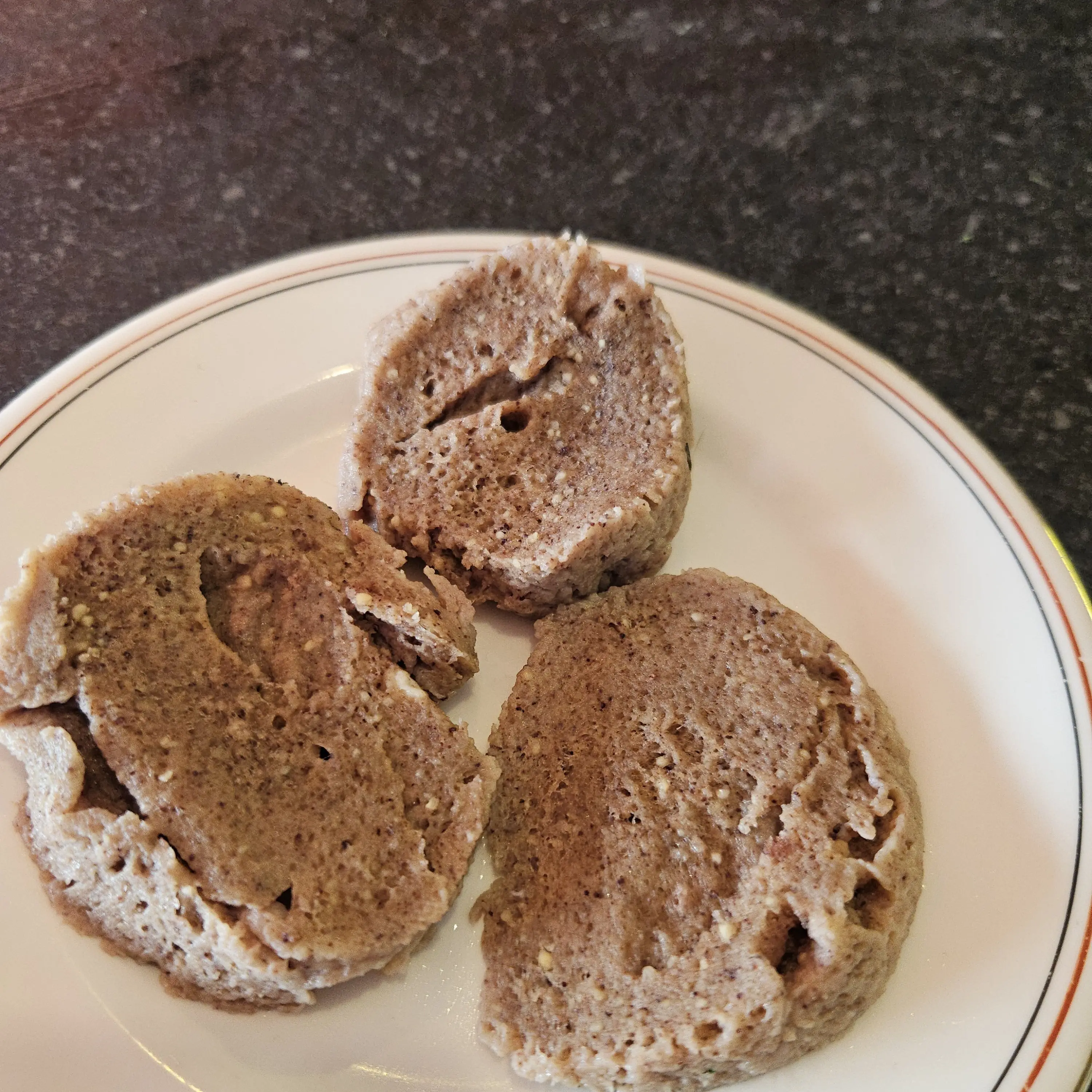
The acorn flour mixture I smeared on to a plate. Once cooked it came out like a very brown coloured flat bread, and would work really well as a substitute pizza base, and is moist enough to wrap around a filling.
I’m not expecting these to replace wheat bread any time soon, but it is good to know what is possible if you need to rely on what grows in your own back yard.
Hilary Rowley is a frugal, foraging foodie from Waitati. Each week in this column writers address issues of sustainability.