

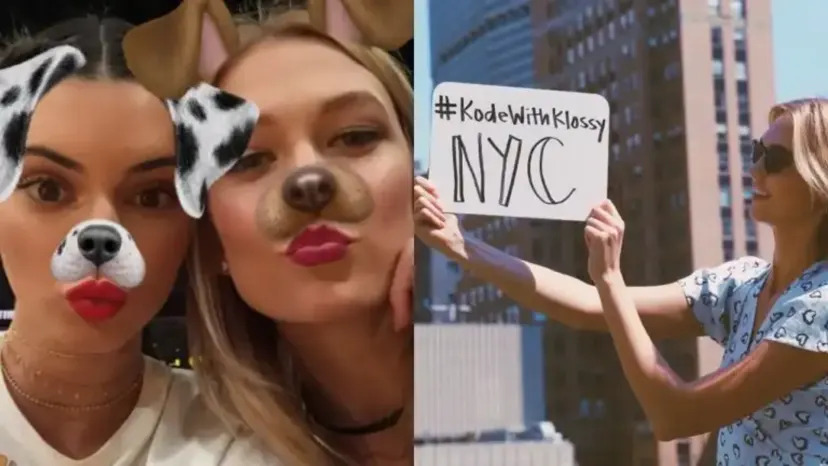
Listening to Justin Bieber, perfecting your pout for the "dog filter", and casting a purplish haze over your pictures - why is the internet pining for the past?
In 2016, Drake and Justin Bieber topped our playlists. In New Zealand Broods and Six60 were turned up. It was the winter of Pokemon Go, faces were done up with matte makeup and Kylie lip kits. We copied Coachella outfits, wore flower crowns, used oversaturation on our selfies and played around with the "dog filter" on Snapchat.
There was no such thing as "doomscrolling" or "brain rot" or "enshitification".
In 2026, social media is filled with images reflecting on our lives 10 years ago. Where did the idea come from? What is it about 2016 that we’re all clinging on to?
Why is 2016 all over my social media?
In New Zealand, interest in ‘#2016’ content has surged to its peak in recent weeks, according to TikTok Creative Center analytics.
Over the past three years, around 3000 TikTok posts including '#2016' have been posted on New Zealand-based accounts, the platform's data shows. About 32 percent of those posts were published over the past seven days alone.
Millennials and Gen Z are particularly entangled in this trend, says Duncan Shand, founder of a social and digital focused creative agency.
"I think it's nostalgia, I think this is a throwback."
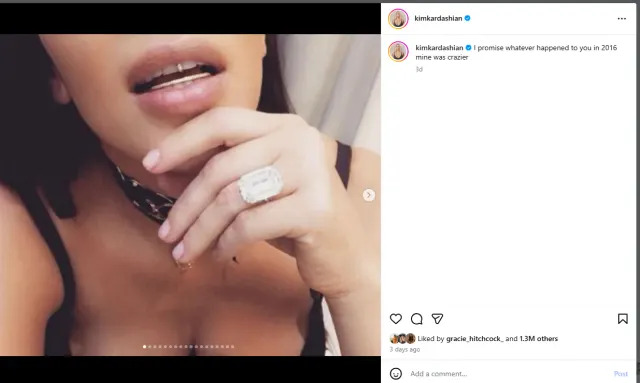
Celebrities have jumped on the bandwagon, amongst them billionaire reality TV star Kim Kardashian who served a carousel of images this month to her 353m followers captioned: "I promise whatever happened to you 2016, mine was crazier".
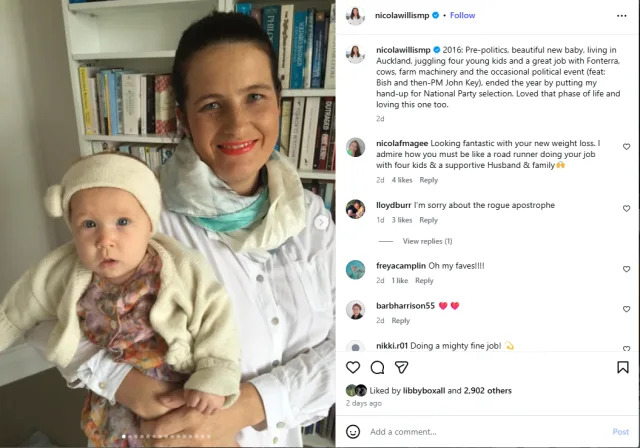
Locally, Finance Minister Nicola Willis reminisced on her life in 2016: "Loved that phase of life and loving this one too."
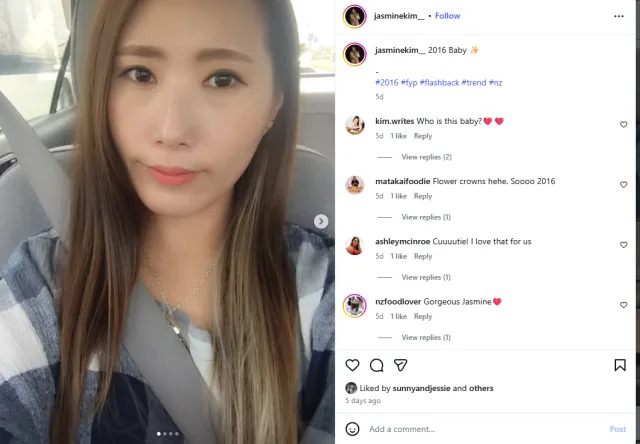
"…It’s more of a millennial trend because they get to see what life once was before AI and technology took over. For me personally … I forgot what I was like in 2016 … it was before I got married, before I had become a mum … the makeup, the clothes we used to wear… "
Ten years ago, the social media of choice for Kim was mostly Snapchat and Facebook. She dug up pictures of herself, then in her 20s, when life, she says, felt simpler, and shared them to her grid.
The trend "2026 is the new 2016" can be traced back to an ironic joke which spawned a movement called "the great meme reset" in which TikTokers pined for the days before the internet was filled with AI, Forbes reports.
"The Meme Reset proposed that TikTokers ‘reset’ the internet by posting classic memes to drown out low-effort engagement bait, and spark something of a comeback for forgotten trends. 2016 was chosen as the golden age of memes, right before the perceived decline." Forbes wrote.
And now it’s taken on a life of its own.
Why are we looking back at 2016? Was it even that good?
"We tend to romanticise a past that is firmly placed in the past because it gives us a sense of security in that type of thing. And if we look back to 2016 obviously, Barack Obama was president, it was just before Trump got elected in 2017. So I think people go back to this nostalgia that this was somehow a better time and a simpler time. It was also obviously pre-pandemic.
"I think that has a lot of merit," she says.
"…. People are posting a lot about what's happening in the States, a lot about what's happening politically throughout the world, and so it feels like when I get a sense of looking at social media, it feels like there is this collective understanding that this is really dystopian.
"So we go back to a time before all of this stuff happened… and people have landed on 2016."
However, Batistich-Vogels points out 2016 wasn’t all roses.
"That was when Brexit came to life," she says.
However, in a time when the world feels like it’s going to hell in a handbasket, she says a bandwagon offers collective therapy.
"Nostalgia is a way for people to deal with trauma as well.
"It's a way to feel a sense of security and there is nothing more secure than the past because there's nothing that you can do about it to change it.
Shand says the same.
"We're in pretty f…ed up times, right? We've got Trump, we've got... all sorts of aggressive political stuff going on. We're... post Covid, recession, cost of cost of living, crisis times - it's just been difficult," he says.
And so: "We're all clinging on to the hope that 2026 is going to be more normal, boring, straightforward."
"People are creating stuff and posting stuff and it's very generic. They're not personalising it or humanising it or really kind of curating it or crafting it.
"We're in a period where there is so much more stuff being posted and it's hard to tell really whether is this real or not real.
"I think part of this contrast between 2016 and 2026 is, 2016 was kind of a period where social media was more fun."
Kim agrees: "A lot of people miss what life was like 10 years ago. It was a best messy, a bit more real, a bit more raw."
How do social media trends catch on?
There are oodles of trends all over the internet, and the ones that appear to be flooding one feed may not be flooding the next. That’s the algorithm at work, explains Batistich-Vogels.
This trend, he says, works because of the "human connection" it tugs at.
"It's a shareable, relatable thing. It’s being able to be part of something that we're doing together, that is kind of interesting."
Australian social researcher and demographer Mark McCrindle says social media trends that seem to have the widest grip in the online world are those which are "a bit more nuanced" and open to interpretation.
"For some people, it's nostalgic. Some people are reflecting on their younger years pre their current situation. For some it's a political statement, you know, pre-sort of the new world order of things.
"It's got different aspects for different people. For some it's just as simple as a retro trend – ‘Hey, here's where I was 10 years ago, Look at me then and look at me now’.
"That tends to be the way of these trends these days. They capture a broad society and multi-generations because people approach them in different ways."


