
PHOTO
Moeraki has moved with the times while honouring all that is important in its long history, Justin Tipa tells Tom McKinlay and Luke Chapman.
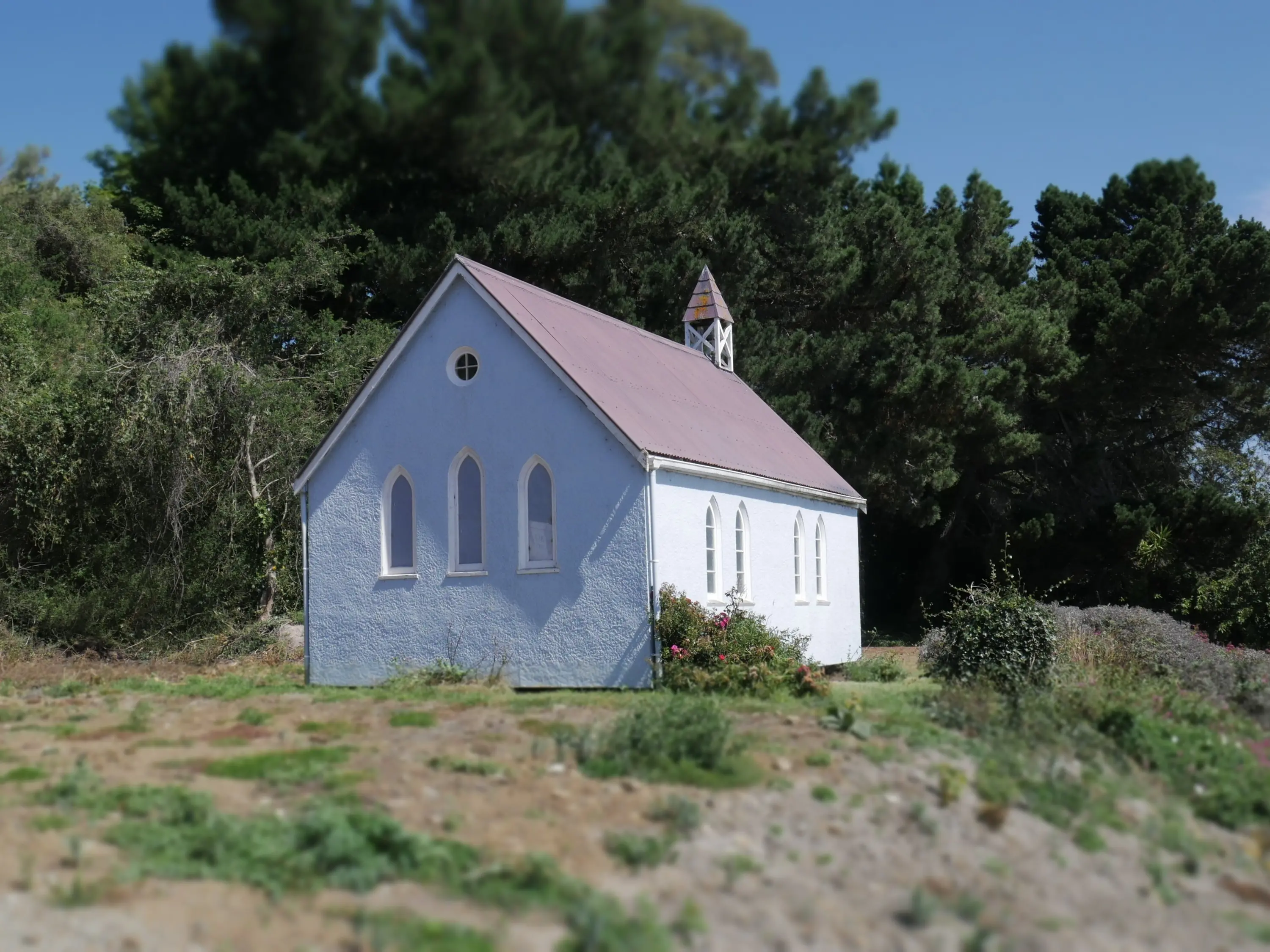
A shortcut to understanding Moeraki’s history is offered by its picture postcard church.
It’s significance is obvious. Not only is the heritage listed building, Te Kotahitanga, the oldest surviving Māori mission church in Te Waipounamu but it houses a rare and remarkable stained glass window.
And that’s not all.
These days Te Kotahitanga stands on Haven St, in the peninsula’s picturesque fishing village. But that wasn’t always the case, Te Rūnanga o Moeraki kaiwhakahaere Justin Tipa says.
It was originally built at one of Moeraki’s old kāik, in the urupā at Kawa, he says.
When the old kāik was abandoned, the church was put on a sled and towed to the port.
So, it has moved with the times.
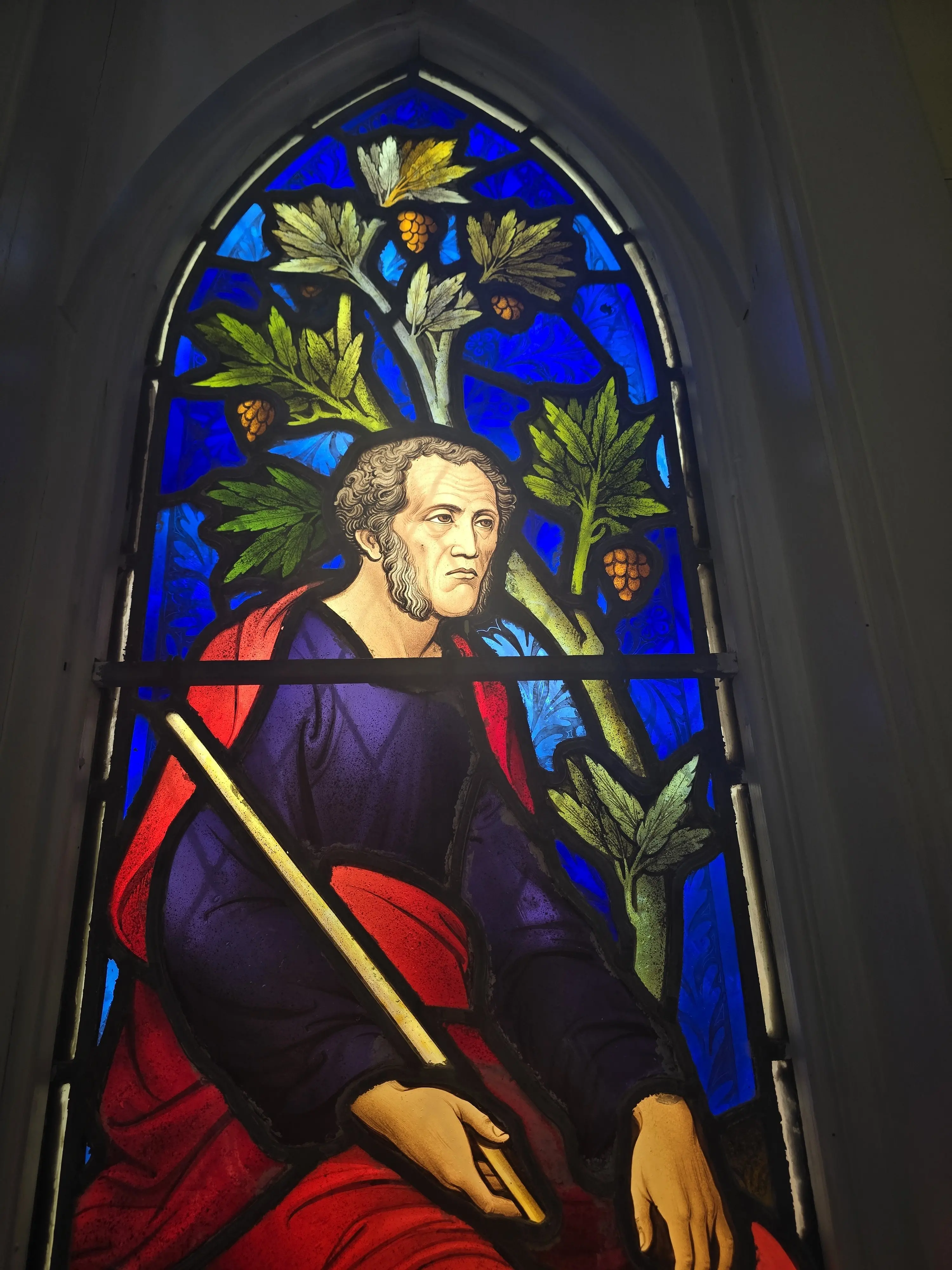
And along with it, that stained glass window - one of a set of three - Matiaha Tiramōrehu sitting at Christ’s right hand.
‘‘One of the unique aspects of Te Kotahitanga, of that church, are the stained glass windows,’’ Tipa confirms. ‘‘And in those stained glass windows is a depiction of Tiramōrehu, in a window that is called the Sermon on the Mount.’’
It is one of the few examples of a Māori, of an indigenous leader, captured in such a fashion, he says. Certainly one of the earliest.
‘‘They were, I believe, created by the leading stained glass window producer at the time, in London.’’
Both of these things, the story of a church that moved and the special place reserved for Matiaha Tiramōrehu, are important clues to the wider history of this peninsula, a relatively small square of land that’s played an outsized role in the history of Te Waipounamu.
Tipa knows the story well. He’s part of it too, as his pepeha attests.
‘‘Ko Te Kohurau te maunga
Ko Kākaunui te awa
Ko Moeraki te whenua
Ko Moeraki te marae
Ko Tiramōrehu te tangata
Ko Ngāti Hāteatea
Ko Ngāi Te Aotaumarewa
Ko Ngāi Tūāhuriri ngā hapū
Ko Ngāi Tahu te iwi,’’ he recites.
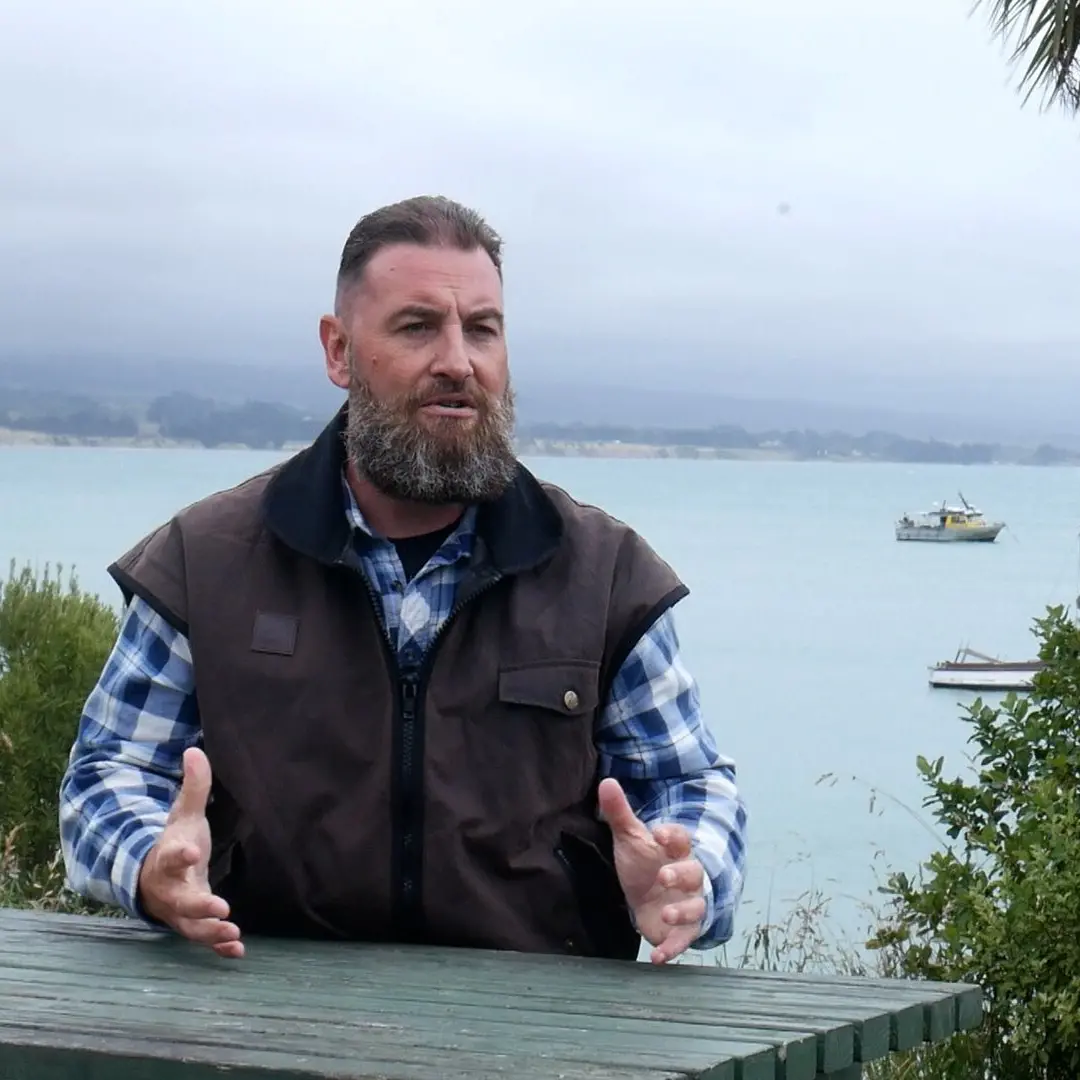
Tipa’s connections are deep and wide - to the land and its marae, to the hapū who sttled here and those who led them.
It’s a special place, a slice of paradise, he says, one of the longest inhabited spots along the coastline. And also, simply, home.
‘‘Moeraki is a place where my great-grandparents, my grandfather, my father were all born and raised.’’
Today, Tipa combines his responsibilities at Te Rūnanga o Moeraki with chairing
Te Rūnanga o Ngāi Tahu, the iwi’s umbrella organisation.
Moeraki speaks to that sort of layering, given it has over the centuries been home to Rapuwai, Waitaha, Ngāti Mamoe and Ngāi Tahu.
‘‘I think back to the earliest inhabitants of this land, to our tūpuna. Nā rātou ngā ahi i kā i runga i ēnei whenua, to our old people who ignited the fires of occupation on this landscape and the successive generations who have maintained those fires.
‘‘Moeraki used to be described as the kōhanga, or the nest, where all those lines of whakapapa came together,’’ Tipa says. ‘‘So, it’s been a key kāinga over the years for our people.’’
What is important to understand here, is that when Tipa says ‘‘Moeraki’’ he means something slightly different to the printed wisdom of today’s road maps.
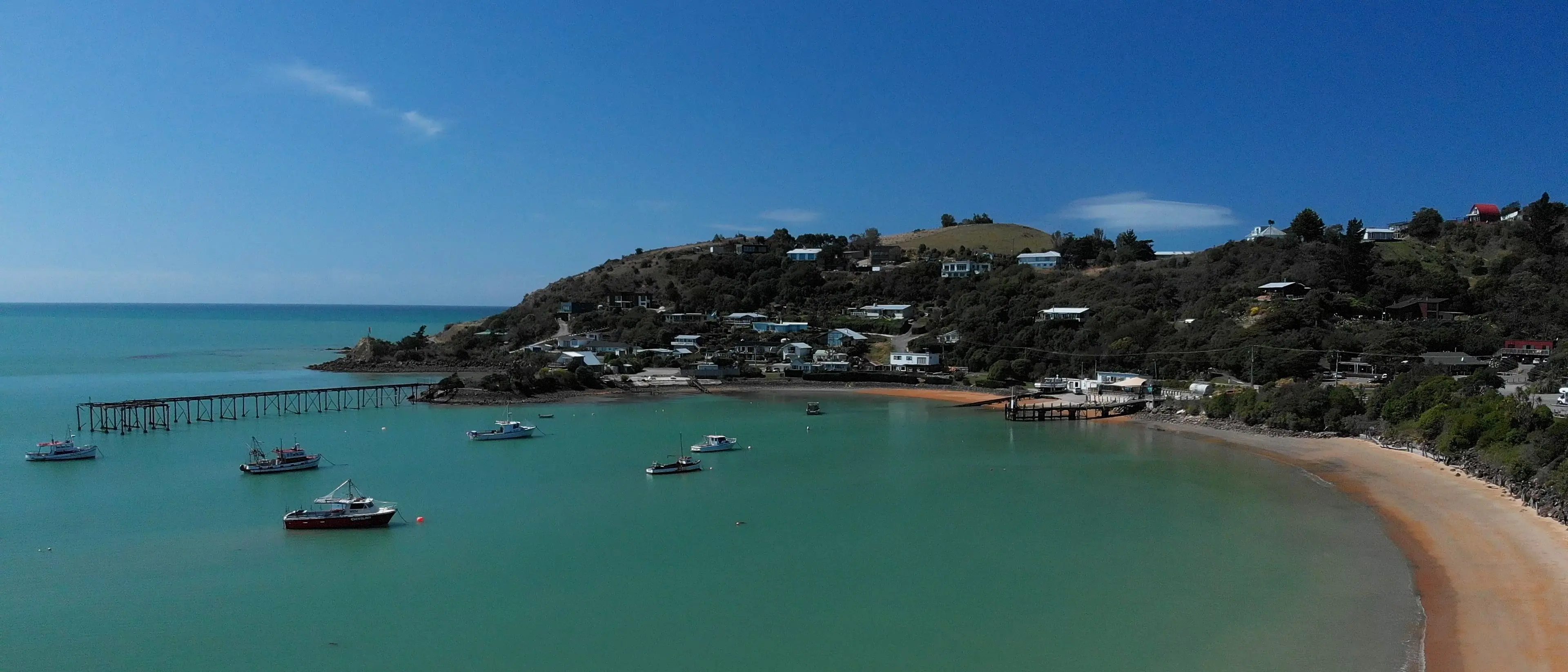
Those charts are likely to show Moeraki as the fishing village where Tipa is sitting on this occasion - at a picnic table on the small north-facing public park. And that’s true as far as it goes, but it also obfuscates the much bigger more textured story.
‘‘Moeraki is the name of the whole peninsula,’’ Tipa says. ‘‘So, here we’ve got the headland, the port of Moeraki, the village of Moeraki. But for us in Ngāi Tahu, traditionally, Moeraki centred on the Māori kāik, the areas of this peninsula where our old people lived.
‘‘For us, the port here was known as Onekakara, and this is where the whaling station was established in 1836.’’
Onekakara refers to the scent of the sand - ‘‘one’’ meaning sand and ‘‘kakara’’ meaning smell or fragrance.
It’s a reference to those whaling days when the cetaceans’ oil was boiled down in big iron cauldrons.
‘‘And you can only imagine the scent that that would have created during that time.
‘‘But now it’s commonly known as Moeraki, the port of Moeraki, the village of Moeraki. But for us, Moeraki is our kāik, affectionately known as the first kāik and the second kāik, or the bottom kāik and the top kāik.’’
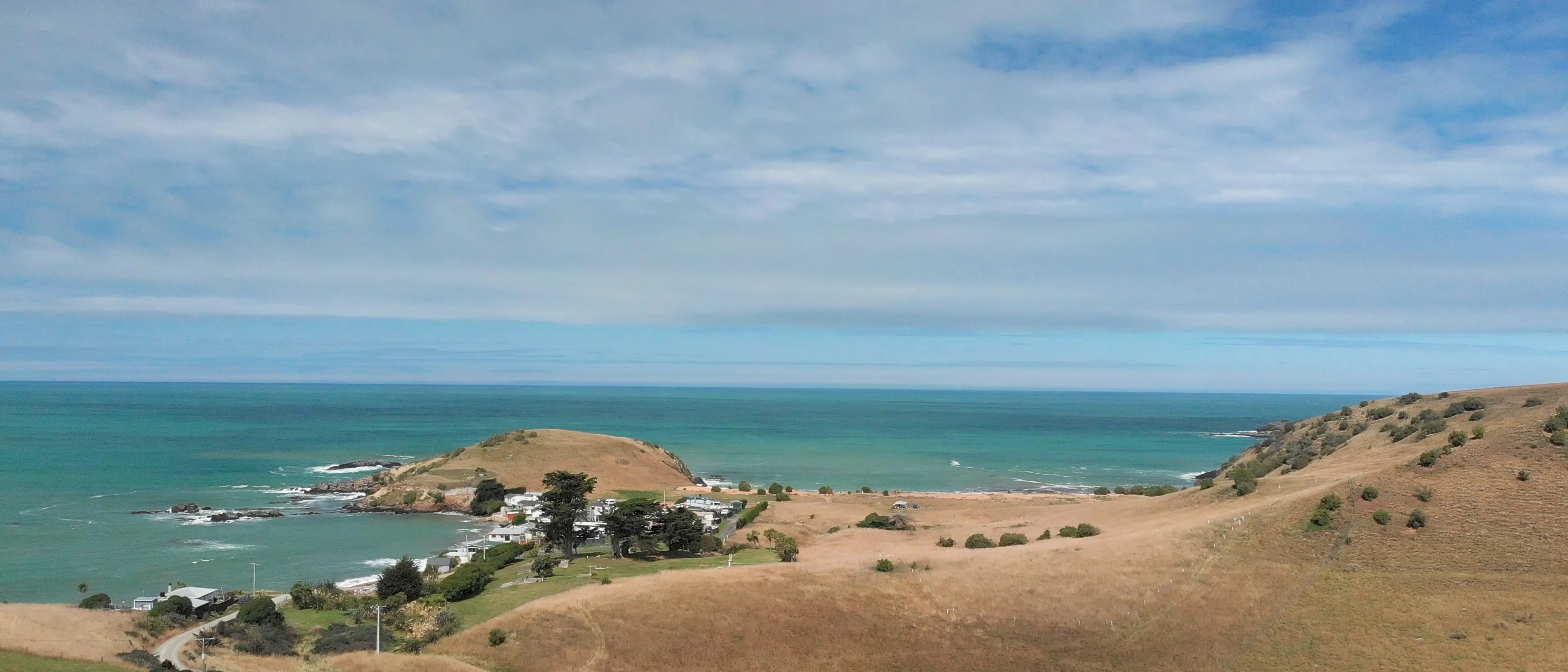
To get to those settlements, you head south from the fishing village, over undulating, winding roads, sealed and unsealed, heading for the more easterly and southeasterly quarters of the peninsula.
The kāiks (from the word kāika, meaning village, settlement or home, the Kāi Tahu dialect pronunciation of kāinga) are the settlements that became permanently occupied villages from the time of Matiaha Tiramōrehu’s 19th century migration south from Kaiapoi - following Te Rauparaha’s assault on the pā there.
‘‘And we also had another migration from Bluff, from Awarua, led by a woman known as Teitei, a wahine rangatira within Ngāi Tahu. And so you had a number of people from north and south come to call Moeraki home.’’

The name itself, Moeraki, is older still, a clue to which comes from Ngāi Tahu’s naming traditions.
‘‘We have to understand the different categories of names, or how names come to be,’’ Tipa says. ‘‘Certainly for us in Ngāi Tahu, if I quote Tā Tipene O’Regan, we have three categories.’’
The first is Hawaiki names, names brought from the Pacific and placed on the landscape here in Te Waipounamu. Then there are the names that reference significant events. The third category is ingoa tūpuna, or ancestral names.
‘‘Moeraki is one of those old names that were brought from the ancient homes in the Pacific. There’s different meanings, or kōrero, that I’ve heard as to what it means, but the most common is a place to rest or sleep by day, Moe-te-raki, Moeraki. It is a dialectal nuance, so you will hear alternatives such as Moerangi.’’
‘‘Moe’’ means to sleep and ‘‘raki’’, or ‘‘rangi’’, is day.
‘‘We have other areas in Te Waipounamu, for example on the West Coast we have Lake Moerangi, which is almost directly across the Alps to our Moeraki village here.’’
The peninsula is one of the oldest inhabited sites across Te Waipounamu, Tipa says, for which further evidence is captured in another name.
‘‘The name Te Raka-a-Hineātea is the ancient name of the old pā down at the lighthouse, and that name refers back to Māui and his whakapapa, so it really speaks to the antiquity of this landscape and the narratives that are on it.’’
Eighteenth century rangatira Taoka won a notable victory at Te Raka-a-Hineātea, defeating his rival Tawhaki-te-raki at the battle of Tahakopa.
Surviving earthworks there, at Katiki Point, mean little imagination is required to appreciate the scale and substance of his settlement.
The peninsula is rich in these tohu, these signposts to story.
Some of them tell an earlier story, when Moeraki was a temporary kainga, an ideal place to call into and prepare resources on the way south to the annual tītī harvest.
Others narrate the transition towards permanent occupation.
The principal figure in the latter trend is Matiaha Tiramōrehu, who arrived at Moeraki in the 19th century with a retinue of fellow rangatira and tohunga from further north. At the time there already were several other rangatira in residence, some of whom had moved south to escape the strife with Ngāti Toa in Canterbury - among them Tangata Hara, who had fought Te Rauparaha at Ōnawe.
‘‘When Tiramōrehu arrived, they deemed it safe to then return to Canterbury and they returned north,’’ Tipa recounts. ‘‘There were other rangatira that held sway here. I think of the likes of Wī Potiki, Taare Wetere Te Kaahu, Paitu.
‘‘And it was they who vacated this land so it could be occupied by Tiramōrehu, Teitei and others of that time, where they moved further south to other lands that they had.’’
Paitu also figures in Moeraki’s history of place names.
‘‘A headland south of Moeraki was traditionally known as Paitu’s Head. When Paitu handed over the rangatiratanga of this village to Tiramōrehu, to Matiaha, his name was placed on that headland and that’s now known as Matiaha’s Head.
‘‘And so even within contemporary times, we have a change in names on this landscape representing the various rangatira and tohunga that were here at that time. But they are all names that we continue to sing about, write about, speak about and breathe life into to this day.
‘‘History is in a name and a name is in the land. And we continue to walk the land, we continue to speak our history, sing our songs. So our tamariki, our mokopuna and those successive generations grow up immersed in understanding what this place means to us, what it means to them and the responsibilities that they will inherit to keep these stories alive for their descendants.’’
Tiramōrehu was among those to address the importance of that work, establishing, with Rāwiri Te Maire and other rangatira, a wharekura, a place of learning, at Moeraki, called Omanawharetapu.
‘‘That was an attempt to preserve traditional knowledge during that wave of colonisation, or the waves of colonisation that we experienced,’’ Tipa says. ‘‘It’s something that continues to this day. The mātauranga Māori, te reo, is something that’s important to us in Ngāi Tahu, and we continue to have wānanga to preserve that knowledge.’’
It has been Ngāi Tahu’s good fortune that their old people were prolific writers, Tipa says.
‘‘Indeed for a period of time, Ngāi Tahu were more literate than the European settlers of the time.’’
Tiramōrehu had a printing press, used to print religious notices.

‘‘They read, they spoke, they shared knowledge and that really enabled them to preserve our history, to preserve our language.’’
That rich capture of the history, including examples of the language, allowed the iwi to recreate its mita, its dialect, and to know what the writers were thinking at the time, why they were composing the waiata they composed and what the names meant to them.
Twinned with the oral tradition, kōrero passed down through whānau, it has helped the history, the whakapapa and the traditions of Moeraki survive.
As the centuries layered waves of occupation - Rapuwai, Hāwea, Waitaha, Ngāti Māmoe and finally Ngāi Tahu - each maintained the narratives and traditions associated with the landscape, Tipa says.
‘‘We are the current kaitiaki of those kōrero, of those narratives.’’
• Toitū te Whenua is produced by Allied Productions.