
PHOTO
QWhat made you decide to write about The Clean?
AWell, it’s a long story, in fact, because I was asked by Auckland University Press years ago, when I was still a television reporter at TV3, to write a book on The Clean. I really thought it was something I wanted to do. I always thought there should be a book on The Clean. I was just waiting for it to turn up.
And I thought, ‘‘I wonder who’s going to write it?’’. Not realising that, in the end, it was going to be me.
Then I discussed it with [The Clean co-founder] David Kilgour, and he said, ‘‘let’s do it’’.
I’d actually said to David, ‘‘maybe one day I’ll write a book on Flying Nun’’. This is years ago. And he said, ‘‘no, don’t do that — write it on us’’.
And it was unusually forward for David. He’s not that sort of person. He doesn’t really push himself.
So I thought, ‘‘yeah, that’s a great idea. OK’’. And then we had to decide how to go about it.

Why did you choose the oral history format?
AThe book that really inspired this one was Please Kill Me: The Uncensored Oral History of Punk, by Legs McNeil and Gillian McCain. I’ve always liked that format of question and answer with musicians.
I’ve used it a lot over the years. I used it way back in the 1980s with [Langston’s Dunedin music fanzine] Garage magazine because I thought it was a way that you could hear the direct voices of the musicians rather than someone interpreting all of them. Let’s hear from them.
I just really like that format. So it wasn’t a hard decision. Once we decided, ‘‘yeah, let’s do an oral history’’, then it really got under way.
I wrote it in about 18 months. We did the whole thing, which was fast. Normally a book can take five or 10 years.
But I knew that I didn’t want to spend five or 10 years on it. I’m not that sort of person. I said to Sam Elworthy, I rang him up and said, ‘‘I know how to do this. I’m going to make it like a television documentary on paper’’.
I’ve made a lot of television documentaries. I’ve made Country Calendar. I know how to do that, and I love that form of storytelling, where you weave a narrative by interlocking all of what people are saying.
QThe Country Calendar analogy is a good one, because one thing I like about that show is that you get a real sense of not only the people but the place they come from. I think it’s shone through in your book as well.
AYeah, well, that was really important to me. I’m glad you say that, because I wanted Dunedin [in the book]. I wanted the places I know, even the streets, George St, Princes St, Moray Pl, the Kilmog, which is mentioned twice.
I love the fact that the Kilmog is mentioned twice. What other rock’n’roll book has the Kilmog in it? What other rock’n’roll book has Cheviot mentioned in it in the same sentence as Manhattan?
I just wanted that real sense of place. I wanted you to get a feel of being in the van with the band or being in the city with the band and also feeling at times just how hard it was for them, you know, listening and trying to get an audience. So all those things I love about the book.
QGoing back a wee bit, what just hipped you to The Clean? What made you so enthralled by the band?
ABecause, well, it was a sort of personal connection. I met Hamish Kilgour when he came to work briefly at The Evening Star, in Dunedin. And he struck me as a really interesting person who knew a lot about music and literature.
I was immediately drawn to him. Then my boss at The Evening Star at the time, Roy Colbert, suggested I go to see the band. And I did.
I saw them the first time in 1980. That was in the Prince of Wales. And it was kind of a sound that filled the whole place.
I didn’t quite get it the first time. It was just this ... It was a metallic racket.
But then by the time I saw them in Christchurch, at the Gladstone, a year or so later, I mean six months later, they were just a fantastic band. I mean, despite people’s idea that they were black jersey-wearing depressors, The Clean were a joyful, fun band. And it came across.
They had pop songs. They had white noise. And they got people dancing.
You know, they were a great dance band. People who booked them at their pub, you know, at the Gladstone, said so. A lot of the crowd would sit down for the leading band, but not for The Clean.
They were up dancing.
They seemed to hit the ground running, didn’t they?
AWell, actually, no. They struggled. Well, they did in the sense that they wrote their songs.
You know, it’s amazing. It was amazing to me that between their debut in May of 1978 and playing in April of 1979 at Logan Park High School, which is kind of a mythologically really important milestone. They’d written Point That Thing. They’d written Anything Could Happen. They’d written those songs that would bring them into the public consciousness. They’d written them when David Kilgour was 17, Hamish Kilgour was 20, 21.
And by the time they got to the Gladstone in 1981, they were writing more pop songs. They’d written Tally Ho!.
They were just so appealing. They made the kind of music that I wanted to hear. It was pop music, but it was done with a rawness and an energy and just a great buzz of electricity that just appealed to me.
QWhat do you see as the main differences between the original era of The Clean, which is from 1978 to 1982, and the renewed era, which is everything since 1989?
AThe thing about The Clean was they never wanted to get stale. So I think when they came back in 1989 they had a whole new set of songs. And they just sounded fresh and contemporary.
They never sounded like they were standing still. Between 1989 and 2009 they made five records and each one is different.
It was a huge thing with them to remain fresh, not to become a ‘‘greatest hits’’ band. They would never bother with that. They were creative people, and they disliked the idea of standing still.
And they never did.
QI remember seeing them play live in the mid-2000s. One thing that struck me about them is how connected that band were to each other.
AYes, they were like a jazz band in that they listened to each other. They just took off.
They could go anywhere. That’s the thing.
They tried not to play the songs the same way twice. It’s how they remained so fresh. When you think about it, one of the things was that they had these large periods where they didn’t play together.
And then they would come back together, and they would remake the music all over again. And I think they just kept doing that.
QWhat were some of the photos that you discovered through the research process that particularly pleased you?
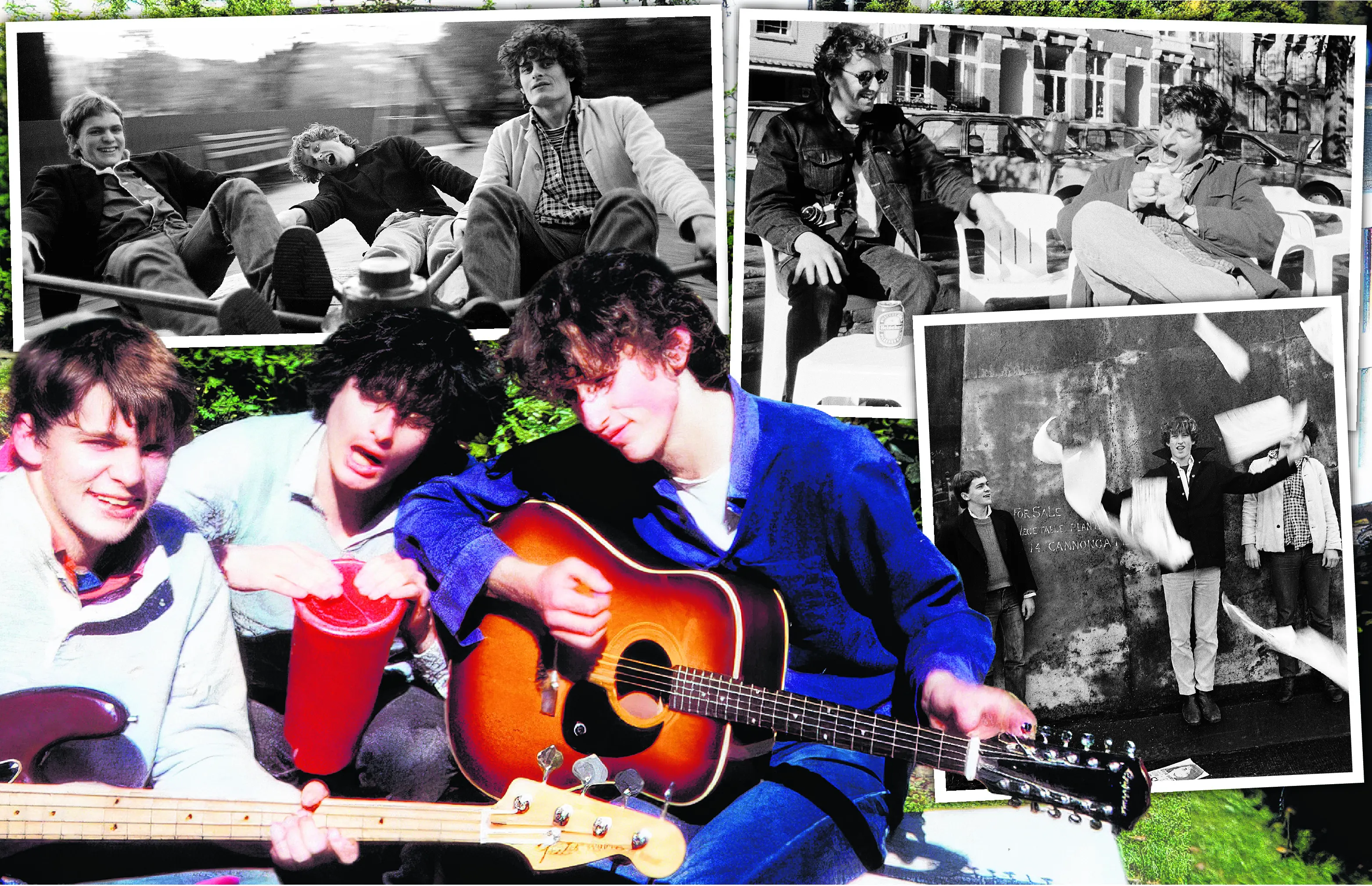
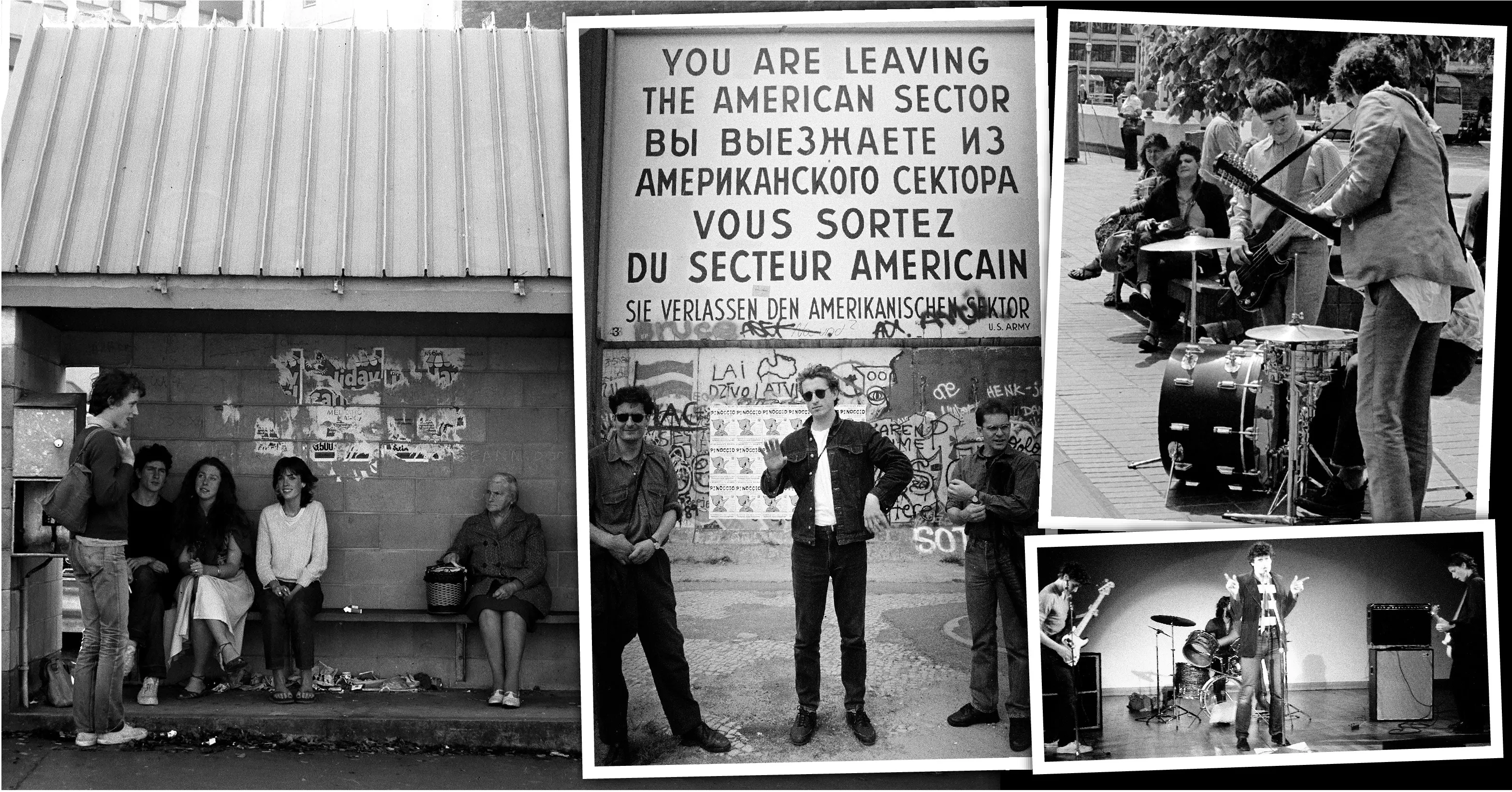
AWell, yes. I mean, the photos. Photographers were The Clean’s secret weapon.
The Kilgours and Robert Scott, they were immersed in rock’n’roll culture, and they knew that a band needed it. Look, even though they never had a publicist, never had a manager, never had any of that stuff, they just understood that you needed a look.
They had these photographers who would just gift it, and they were mates. Craig McNabb, he photographed the band on and off for 30 years, and his pictures are outstanding. They’re just so great, and many of them have never been seen.
I had to persuade Craig to open up his archives because he was reluctant about it. He’s someone who likes to move forward in his work, and he has. But I persuaded him to open his archives, and it was just amazing to see all these fresh images of The Clean where they were beginning, and just right through, there are fresh images of them that I’ve never seen.
So Craig’s pictures were a revelation, and Terry Moore’s were as well. He’s got The Clean in that photograph from the practice room in 1979. And there’s Martin Phillipps in there as well.
They were thrilling moments to see those things, because there he is absorbing The Clean.
There’s the influence. He’s taking it all in, and no doubt Martin was making notes because that’s the sort of guy he was. Once they got over to the States, there were people who were attracted to them.
Tim Soter, he took great pictures in New York in 2007 when they played there. So they always seemed to attract people who could take good photographs.
Carol Tippet, her pictures are probably the most well known: in the back of the car and in the bath. They just had people who could really take photos at the right moments.
What attracted The Clean to the US and what do you think attracted the US to The Clean? Because they had quite a following over there.
AI think that the influences in The Clean are more American than British. I think that people in the States possibly recognised that they were fans of the Velvet Underground. They were fans of West Coast psychedelic music.
I think they were fans of American music and they kind of repackaged and sent it back. I think the American audience understood that, especially that indie rock audience where people would have recognised in The Clean fellow travellers who loved the same stuff that they loved.
I mean, The Clean also had a British strain in their music too.
I think they were big fans of the Kinks and the Rolling Stones, obviously. But the Rolling Stones, I guess, their influences were more American than anything anyway.
QIn the past few years we’ve had your book on The Clean, Craig Robertson’s book on Chris Knox and Matthew Goody’s excellent early history of Flying Nun, Needles and Plastic. What do you make of the mini explosion in books about that era of music in New Zealand?
AI think that’s a generation looking back, and realising that what was experienced was important enough to turn into books.
I think all generations look back on where they’ve come from, what they’ve experienced and if someone produces a book of it, it will resonate with people.
At one stage I thought, ‘‘ah, I’ve left it too long to write a book on The Clean. It should have been done earlier’’. But now I realise, actually, that the passage of time adds a richness to the story.
The Kilgour memories [Hamish Kilgour died in 2022] and Robert Scott’s memory, they were incredibly good. I think your memories of earlier years become clearer as you age, and so it was a real benefit to do it when we did it.
I think that it was the right time. Whereas I had thought, ‘‘oh, it should have been done years ago. Where is that bloody book on The Clean? Someone should have written it’’.
Honestly, it’s what I used to think. And when someone suggested I write it, I just felt overwhelmed by it, because I like The Clean too much and I didn’t want to mess it up.
That’s why it was important to find the oral history idea. Once we got that, I thought, ‘‘yeah, I can do that. I know how to do that’’.
QAny more books by yourself to be scribbled in the next wee while?
AI would say, yes. I would like to do another book.
I’m not going to say what it is because you should never talk about that. You should either ... As someone said, put up, shut up.
I’m always writing poems as well, so I’m always thinking about writing because it’s something I enjoy doing. And it was so cool to actually be able to write something and use all my television experience to write a book. It’s kind of a weird thing you don’t think of, when television writing is so spare and governed by pictures, but you can use the templates to write a book.
It’s kind of neat.