
PHOTO
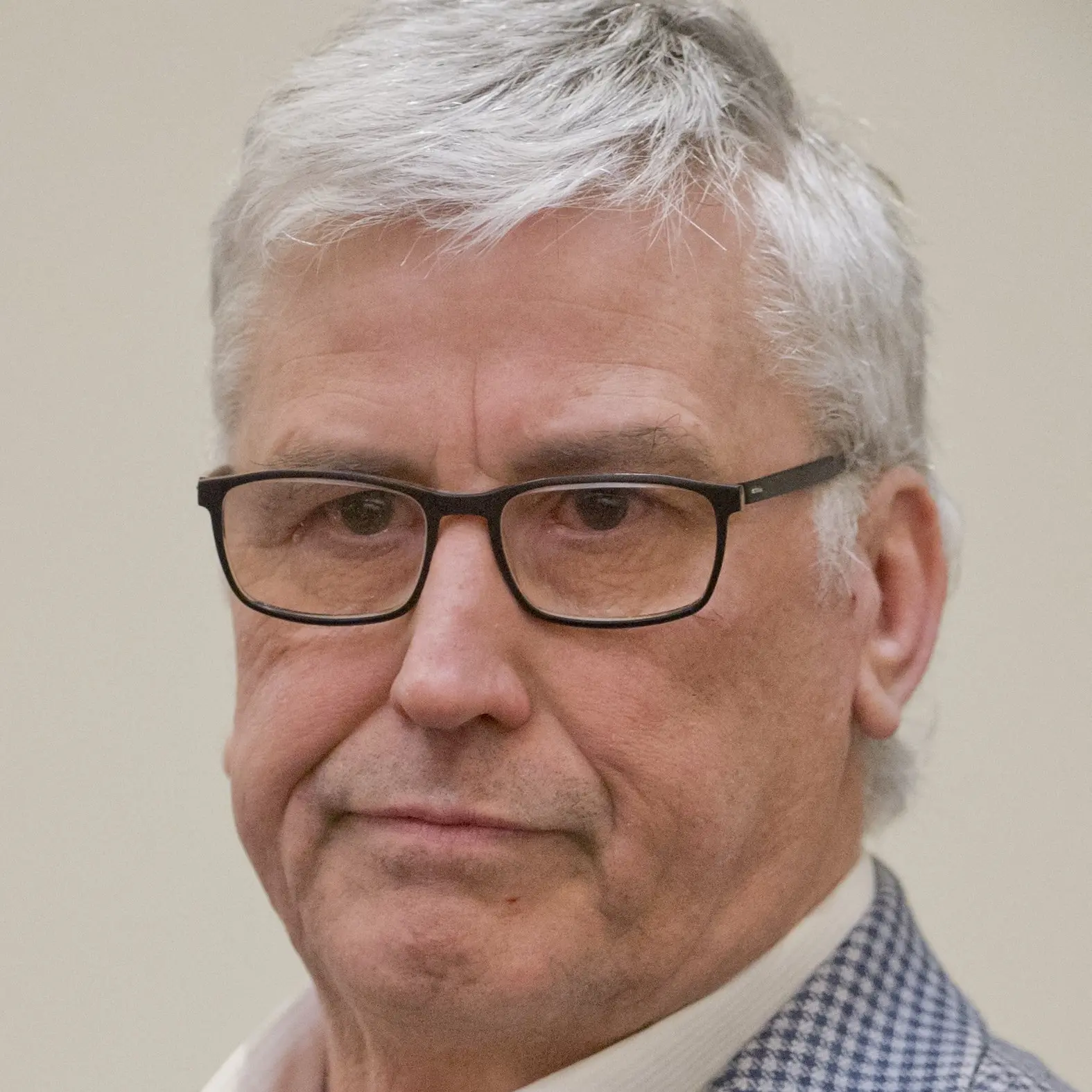
A disgraced financial adviser behind a $15.7 million Ponzi scheme continues to lack empathy for his victims, a psychologist says.
Barry Kloogh, 62, was declined early release for the second time when he appeared before the Parole Board yesterday.
The Dunedin man accepted he would never again be placed in a role of financial responsibility and told the board he would now be pursuing a wholly different interest.
Kloogh said he was halfway through a creative writing degree behind bars and intended to continue with it if he was released.
In 2020, he was jailed for eight years 10 months after admitting a range of charges covering a scam which spanned 25 years.
Kloogh, who yesterday wore prison-issue garb rather than the suit he donned at his first parole hearing, said he wanted to be released to Dunedin despite the victims seeking his exclusion from the city, as well as Mosgiel and Cromwell.
Panel convener Judge Jane Lovell-Smith said the plan was at odds with the man’s claims of remorse.
"To put it frankly, you’ve ruined other people’s lives through your own greed," she said.
"You’ve created the situation and nobody else."
Kloogh, though, said he had no other accommodation options than Dunedin.
"I’m very upset with what’s happened to [my victims] ... I know that they’re desperate in some situations. I know they’re still angry. I know they’re without hope, in part. I know they’re depressed. I know they’re unable to move forward because of the situation I’ve placed them in."
Parole Board member Alan Hackney stressed the risks of Kloogh effectively returning to the scene of the crime.
"It would be hugely damaging to any victim if they were doing their weekly grocery shopping in the supermarket and down aisle 4 they came across you. Do you understand that?" he said.
Kloogh said he would "keep a low profile" and would not be shopping for groceries, visiting cafes or attending the theatre.
Judge Lovell-Smith though described the prisoner remaining housebound for what could be about four years as being unrealistic.
Kloogh said he hoped to move north at some point, "hopefully within a couple of years".
He was also grilled on a psychologist’s report, which was ordered following his last parole hearing in July.
The clinician noted his narrative account remained "minimally detailed" and he had to be prompted to elicit further relevant information about the crimes.
He was considered to demonstrate superficial insight into the effects on the victims, and there were comments about lacking insight into the personality traits that motivated the offending.
"I completely disagree," Kloogh said, in reference to victim insight.
But he conceded he might have ingrained character issues.
"Personality traits are very very difficult to change," Mr Hackney said.
"One’s personality traits are stable over their lifetime generally. It doesn’t change easily."
The board heard there had been no issues with Kloogh’s behaviour while in prison.
He was a low-security inmate, was living in a self-care unit and had completed all recommended rehabilitation.
Kloogh put his crimes down to "thinking I could beat the system".
"I have paid the price for my deception and unfortunately my victims are still paying the price for the deception," he said
Judge Lovell-Smith urged him to attempt to arrange a parole address outside Dunedin and the other proposed exclusion zones.
Kloogh will see the board again in six months.