
PHOTO
Dunedin's community boards are calling for the Dunedin City Council to put more effort into local adaptation, mitigation and the emergency response for extreme weather events.
The boards have submitted their priorities and the projects they wish the council to consider at hearings this week and hopefully include in its 2026-27 annual plan.
Their desires and wishes are broad, though there is a common thread through many: the resilience of infrastructure and communities in the face of growth and a growing number of storm events.
The Otago Peninsula Community Board focused on one request only, asking the council to prioritise the completion of section 1 of the road, pedestrian and cyclist safety improvements project Te Awa Ōtākou/Peninsula Connection, from Vauxhall to Harington Point.
"Make no mistake, this project is about road safety and resilient roading infrastructure that safeguards our community and economy for the future," chairman Paul Pope and deputy chairman Hoani Langsbury submitted.
"In recent years Dunedin city has experienced a growing number of storm events that have cost the city council significantly in emergency response and repairs.
"Dunedin has been fortunate not to have experienced very similar issues as we have seen in the North Island. It’s not a matter of whether it will happen but a question of when and just how well Section One will be able to cope in such an event."
Saddle Hill Community Board chairman Paul Weir identified multiple immediate actions it said were needed to address the ongoing safety to residents and property in its area, including easier consent processes for people needing to do work to help alleviate constant flooding on Old Brighton Rd and sealing alternative routes.
He also urged the progression of a plan to assess and remediate coastal erosion along the Brighton coast that was causing concern and in certain areas impacting on residential properties and roads.
In a four-page submission outlining 10 priority areas, Waikouaiti Coast Community Board chairman Alasdair Morrison gave the most space to concerns and questions about the area’s potable water supply.
He demanded answers as to what was happening with the upgrade of the Waikouaiti water treatment plant, initially promised to be completed by 2023.
He also sought an update on the development of a council climate resilience framework to look at the effects of climate change on the city’s coastal environment.
"While we recognise that there is much emphasis on Kettle Park, St Clair and St Kilda, we ask that you take note of the fact that the coastal environment does not stop at Lawyers Head.
"We have issues in Blueskin Bay, Warrington spit, Karitane foreshore, Karitane harbour including the deteriorating fishermen’s wharf, Waikouaiti River estuary and wetlands and Waikouaiti foreshore along Matanaka Dr."
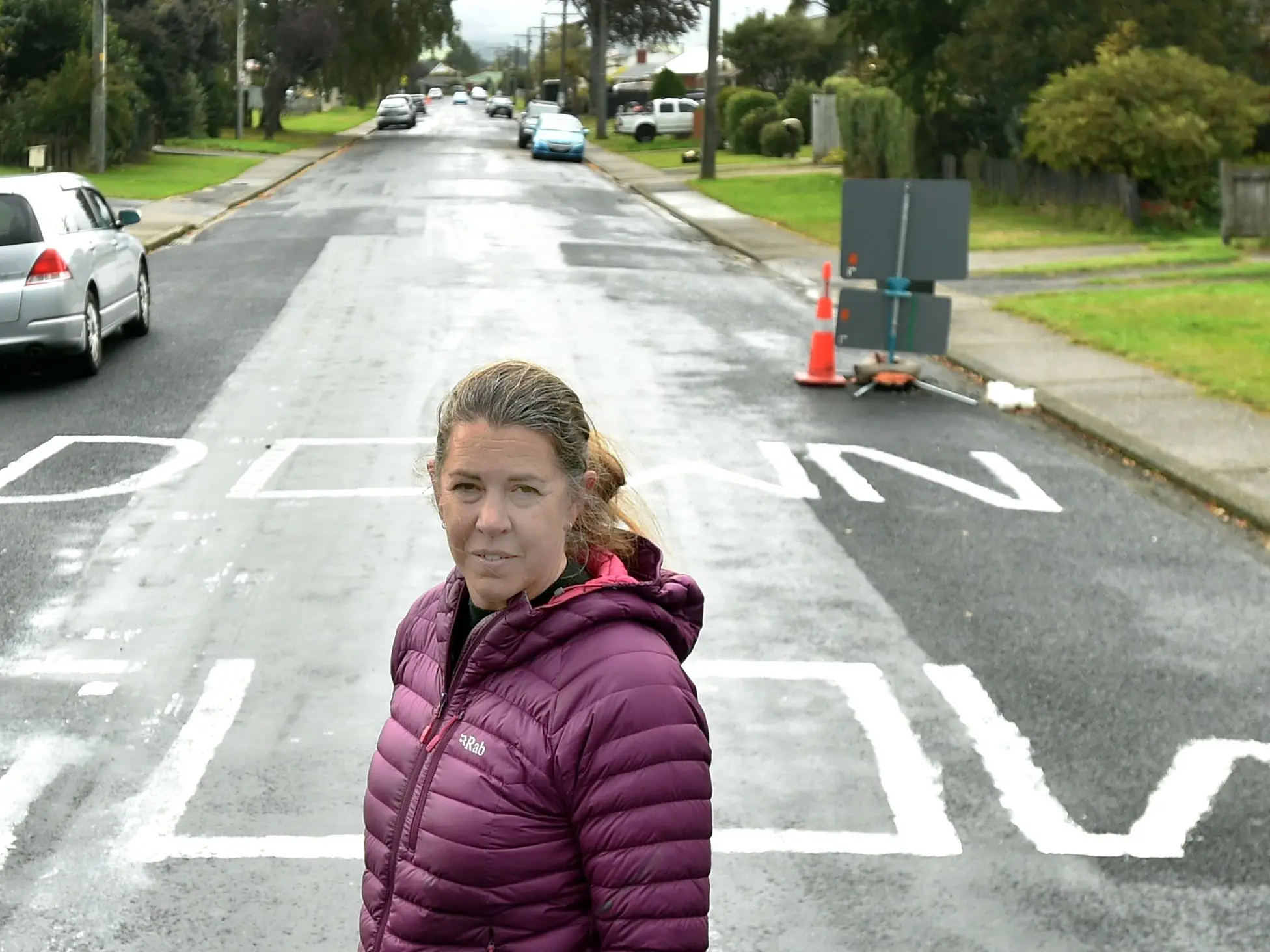
Many West Harbour communities were particularly vulnerable to extreme weather, West Harbour Community Board chairman Jarrod Hodson said.
"More effort should be put into local mitigation, adaptation and emergency response to protect our vulnerable, slip-prone, coastal, low lying and exposed communities. We need to be better prepared for more frequent severe weather events impacting our roads, water supplies etc ... in coming years."
Vulnerable non-urban roads needed future proofing to manage higher tides and more extreme weather events, including roads at Aramoana, Osborne, Upper Junction and the Blueskin area.
The board also wanted to see more work this year on removing dangerous roadside trees that posed risks to safety and infrastructure during high winds and heavy rains.
Further inland, Mosgiel Taieri Community Board chairwoman Rebecca Shepherd was more focused on ensuring the council did not lose sight of important infrastructure projects Mosgiel needed, including a park and ride facility, work to address heavy traffic and congestion along Gordon Rd and ensuring roading and traffic infrastructure supported the town’s continuing rapid growth.
Strath Taieri Community Board chairwoman Terina Geddes highlighted concerns about local water and ageing wastewater infrastructure and said rural equity must be central to the council’s decision making.
"The 2018 flooding event, where stormwater overwhelmed the wastewater network and caused sewage to overflow on to the road, demonstrated the vulnerability of the existing system."
She said Middlemarch had historically received slower upgrades than the rest of the city.