

The eggs were noticed missing last Thursday morning during routine checks at Taiaroa Head/Pukekura, where the Department of Conservation (Doc) has long managed a colony of the threatened seabirds.
Coastal Otago operations manager Annie Wallace said the department's compliance officers and police are investigating, with support from the Royal Albatross Centre and mana whenua.
"This is a very unusual event – the colony has been managed and monitored for years, and it's strange for eggs to disappear without a trace."
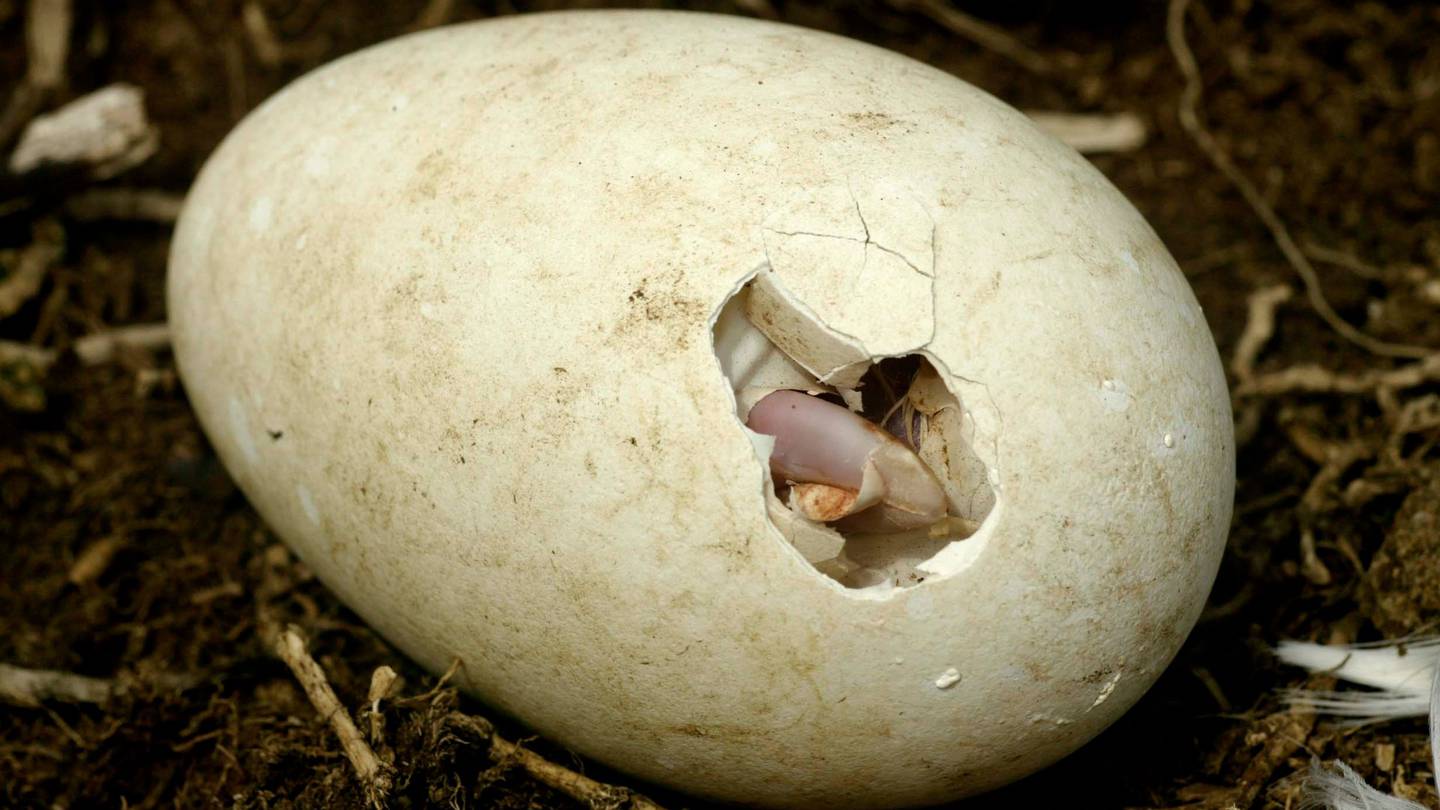
Wallace said it was still unclear what happened, and staff were gathering security camera footage and talking to people who may have relevant information.
"However, it's thought the eggs may have been taken as there are no signs they were eaten by predators."
Toroa are classified as nationally vulnerable and threatened by climate change, fishing practices, plastic pollution and habitat loss.
They also reproduce slowly, so every egg and chick are important to the population, Wallace said.
"They need all the help they can get, and it will be extremely disappointing if someone has taken these eggs," she said.
"This is devastating for our staff that put in countless hours caring for these birds in challenging conditions, keeping them cool on hot days, working to prevent flystrike, and providing supplementary feeds to underweight chicks."
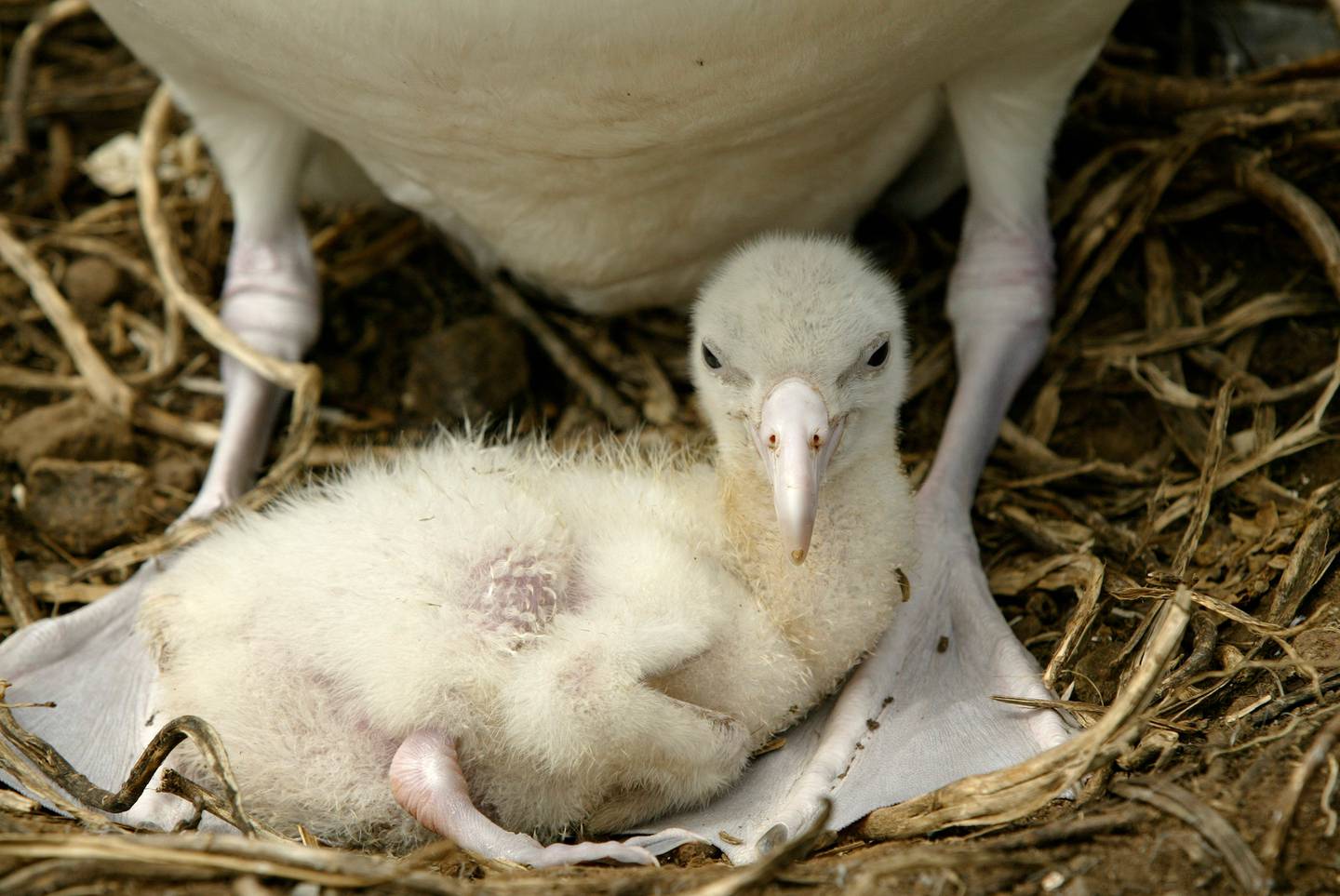
Taiaroa Head is the only mainland site in the world where toroa breed, and one of the few places in the world where people can easily see them.
"It's a privilege that people need to respect."
Wallace said the colony was a nature reserve and fully fenced, with entry by permit only. There was also a Wildlife Foreshore Sanctuary along the coast which restricts both foot and boat access.
This year's first chick to fledge at the Dunedin colony was Lilibet, named in honour of the late Queen Elizabeth II. The star of Royal Cam, the bird took off on a huge global journey that will take her tens of thousands of kilometres over several years - a journey which will see her return to the colony at some stage.
Toroa are one of the largest seabirds in the world, with a wingspan of more than 3 metres.
There are about 17,000 of these long-lived birds left, which range widely across the Southern Ocean. Most breed on several islands in the Chatham Islands.
Toroa are also protected under the Wildlife Act and it is an offence to kill, injure, harass or disturb them.
• Anyone with information that might could help locate the eggs were asked to call 0800 DOC HOT (0800 362 468) or police non-emergency number 105.
- By Jamie Morton, additional reporting ODT Online


