
PHOTO
As wildlife flourishes in a fenced Otago ecosanctuary, mahi is ramping up to protect the birds flying the coop.
In July this year, Predator Free Dunedin received $3.9 million over three years from the Department of Conservation to boost its predator elimination work.
That funding meant they would soon be targeting mustelids, rats, rabbits and feral cats lurking around the Orokonui Ecosanctuary.
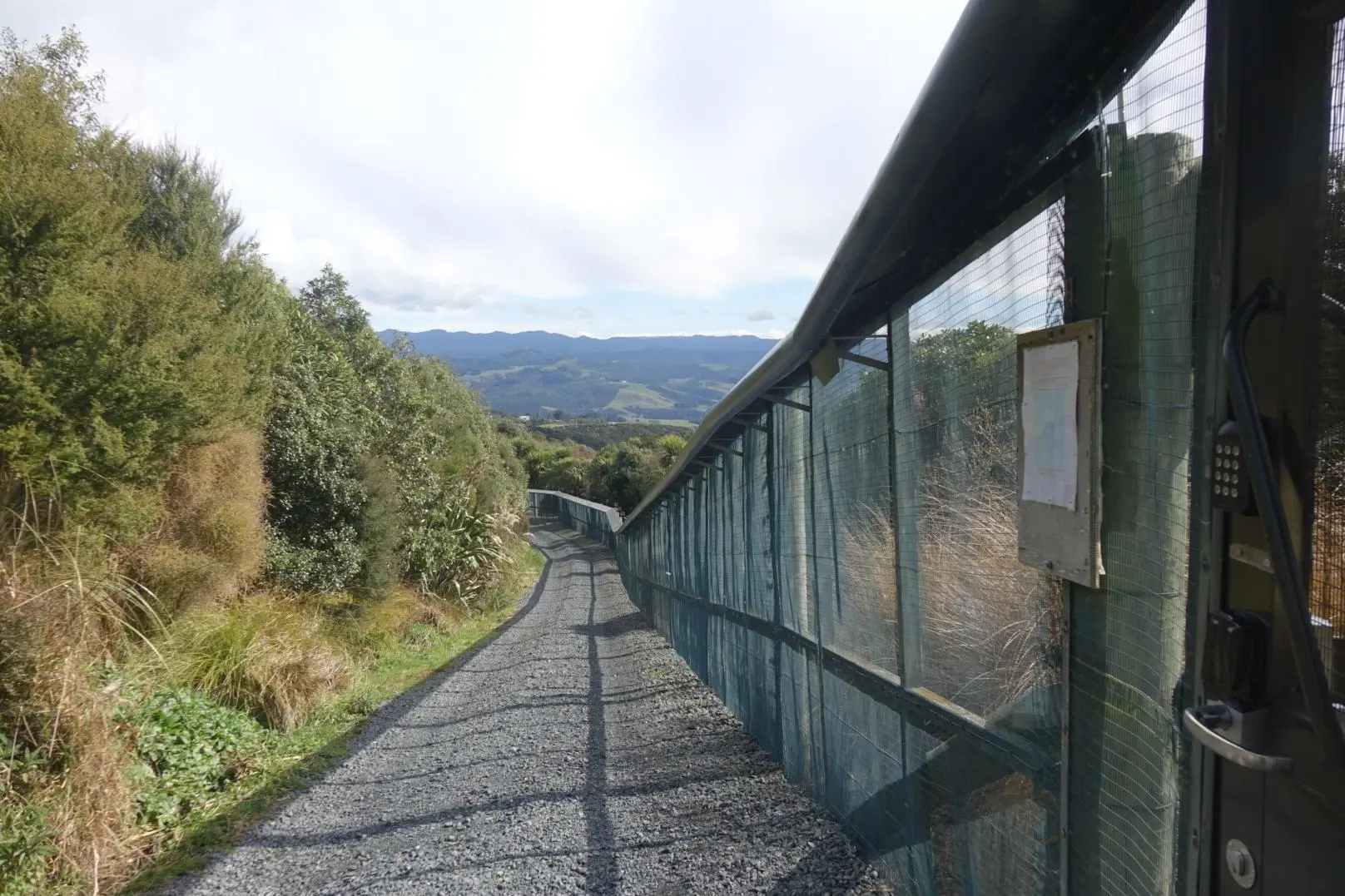
Behind a predator fence, the ecosanctuary has become a safe haven for native wildlife.
Spokesperson Taylor Davies-Colley says there has been a lot of breeding success.
"For some of these species, like the kakaruia, to some extent, the kākā as well, we're now at a point where we may well be at carrying capacity inside the sanctuary.
"And so the next stage of their expansion, their return into coastal Otago will have to involve areas outside of Orokonui."
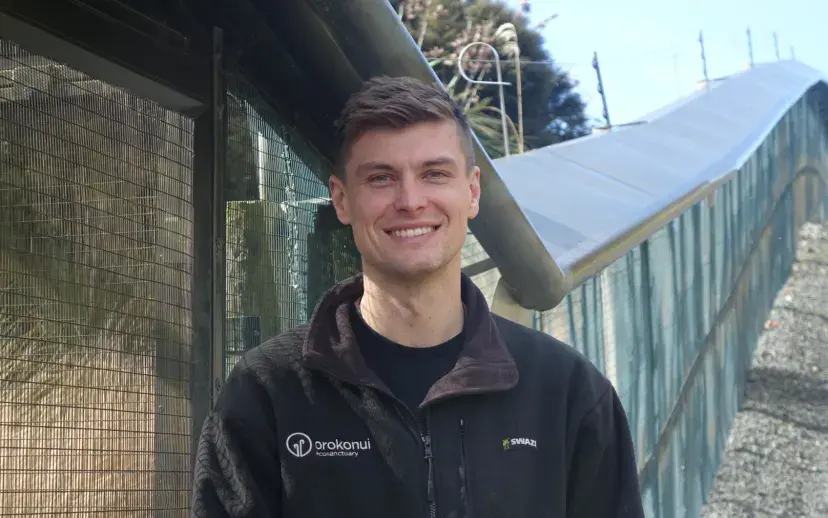
They were seeing more kakaruia outside the fence, but they were not witnessing nesting success, he said.
That was where he hoped work to eliminate predators from the surrounding area would make a significant difference.
"Our ultimate goal is never to be the only place with these manu," Davies-Colley said.
"Our work ends when there are so many of these birds across the landscape that we have no need to worry about them anymore, that people are woken up by kākā in their backyard before they come to visit Orokonui. And so for that to happen, they need breeding success outside the fence."
The Halo Project was working on the ground to remove pests for Predator Free Dunedin as its delivery partner.
Its predator free project manager, Jonah Kitto-Verhoef, said they would be targeting a range of pests.
"That's the new frontier. We're very confident now in our approach to possums and now we're looking to explore is there synergies and cost savings by doing more species at once?
"Can we clear areas quicker? Because that's really the goal. We can't keep going back to the same areas to tick off yet another species year after year."
They would be using a range of techniques, including rabbit shooting, toxins, live capture devices and AI-assisted trapping.
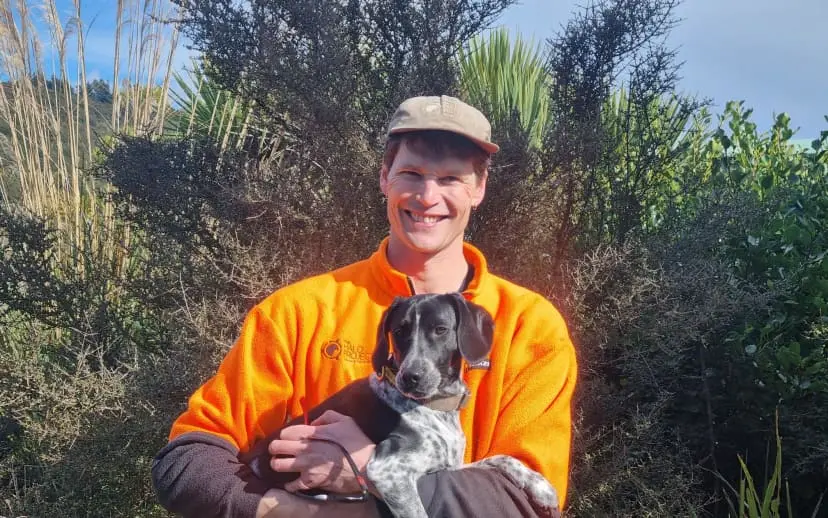
They were also training up 10-month-old Pepper as another scat detection dog to help them find stoats.
In 2024, a pilot using AI to differentiate predators from native birds was rolled out in the area around Orokonui.
Kitto-Verhoef said they had upgraded their auto trap network of about 100, which could safely identify between curious kākā and possums and rodents.
Predator Free Dunedin project lead Rhys Millar said the funding meant they could target multiple pests at once.
"We're going to remove prey first, so the rabbits and rat populations will be reduced to very low numbers. By doing so, the stoats and the feral cats will become increasingly hungry and therefore more vulnerable to our removal techniques."
The area would cover from Port Chalmers to Orokonui, Aramoana and Blueskin Bay.
"We're also going to be testing PAPP sausage — a new toxin in this environment — which will be a first. So it is a bit of a project of firsts, new techniques, new ways of working on effectively a mainland situation."
The project was off the back of the successful removal of possums from the Otago Peninsula after years of hard mahi.
But Millar said not having a fence or natural barrier like the peninsula would be challenging.
"One of the key things that we will need to do is to learn how to detect animals quickly because we will be subject to constant reincursions, detecting those animals, the stoats and the feral cats, very quickly and then removing them quickly.
Kitto-Verhoef said the ecosanctuary showed us what predator freedom looked like.
"The opportunity and what Orokonui provides is a really amazing creche for reseeding the whole landscape with a range of vulnerable species.
"It's so exciting to think about the fact we can have all these things that may not have been present on the mainland for sometimes decades, sometimes 150 years or more, and they could again thrive in their natural environment."
Predator Free Dunedin hopes the project will help inform how other parts of the South Island tackle predator elimination.
