
PHOTO
Three years after it was meant to open to receive patients, the second stage of the new intensive care unit at Dunedin Hospital remains a building site. Health reporter Mike Houlahan tours the facility and learns just how complex trying to get the multimillion-dollar ward up and running is proving to be.
It looks like a labyrinth.
Spread out before us is a map of the air handling system on the fifth floor of Dunedin Hospital’s clinical services building, a tangled web of fans, ducting and junctions.

Its complexities almost defeated engineers as they strove to open stage 1 of the redevelopment of the facility’s intensive care unit.
Those 12 beds opened for patients in November 2018, later than planned but — thankfully — available before the Covid-19 pandemic reached New Zealand.
Stage 2 however, which includes a further 10 beds, continues to defy the best attempts of a range of builders and engineers, although — as the drawing suggests — the knots and jumbles are being teased loose and might be able to be put back together again.
Some technical equipment was already available in New Zealand, but some more specialised technology has had to be imported: some components are yet to arrive in New Zealand.
"They have had to pull down a lot of ceilings, put a lot of booster fans in to different areas and then patch the roof back up again," ICU service manager Shayne Wylie said.
"It’s pretty complicated. I’m not an HVAC engineer and I don’t really understand it ... but as I understand it the fans will supplement the airflow that we have already got and that will allow us to do as many air exchanges as we need to meet code of compliance requirements.
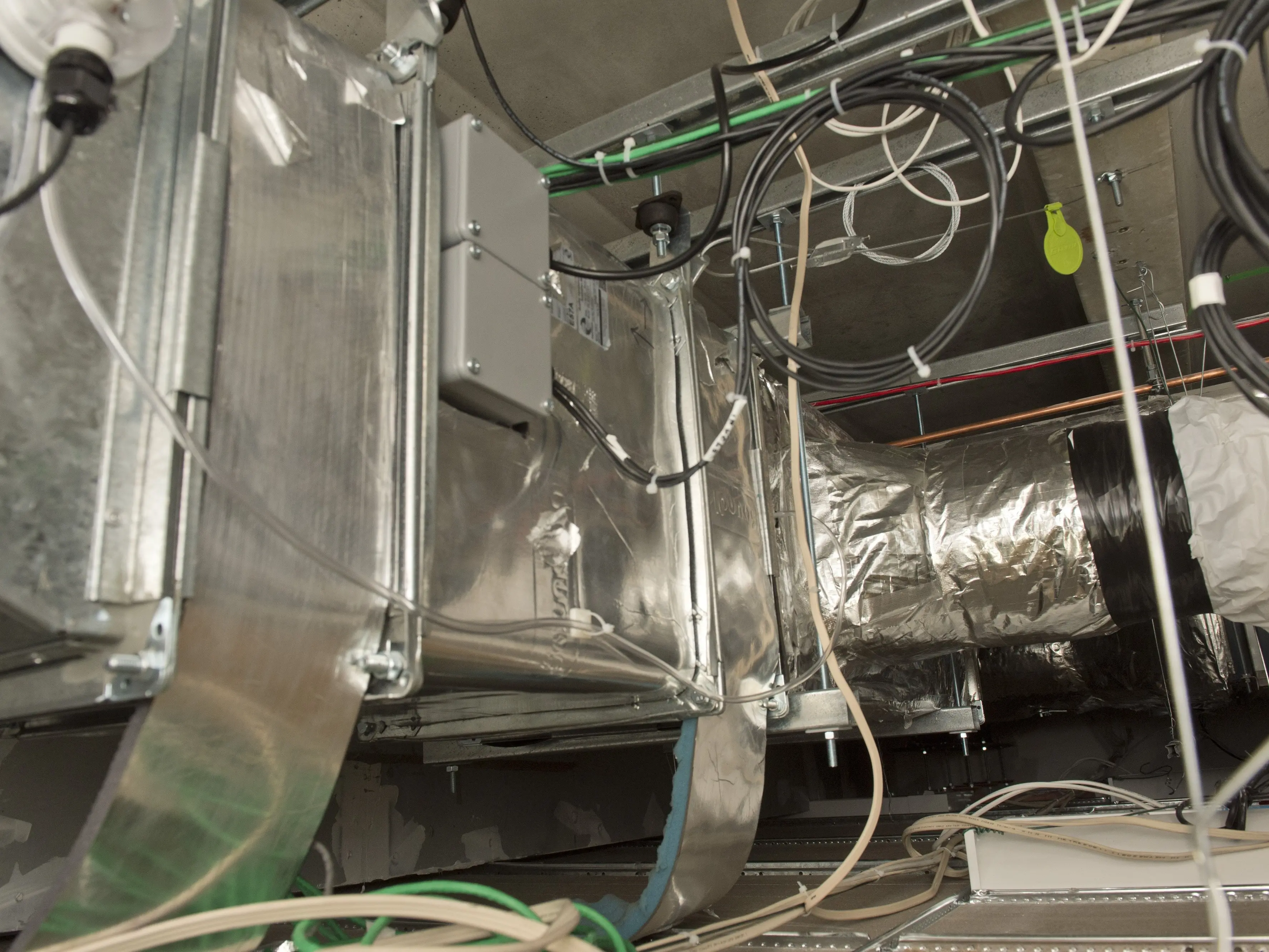
"We were putting a modern air handling system into a building that is 50 years old, and it didn’t work, and now we have to go back and do other things to try and make it work."
Retrofitting the old system might be complicated, but may well be more achievable than some of the varied solutions which were considered — which included building a whole new air-conditioning system for the fifth floor."
A modern intensive care unit is expected to be able to exchange its air 14 times an hour — a requirement far beyond the capacity of the present air handling system.
Some might wonder if it really matters that much, but Mr Wylie said Covid-19 was the perfect proof that it did.
"If you are not changing over the air then you are increasing the risk to people of cross infection from one patient to another, or from a patient to a staff member.
"All buildings have a requirement to change the air over for that very reason, but hospitals have a higher standard and we need to bring ours up to that to protect both patients and staff."
However, the longer that the process goes on the further away from the original justification for the ICU refit project Te Whatu Ora — Southern gets.
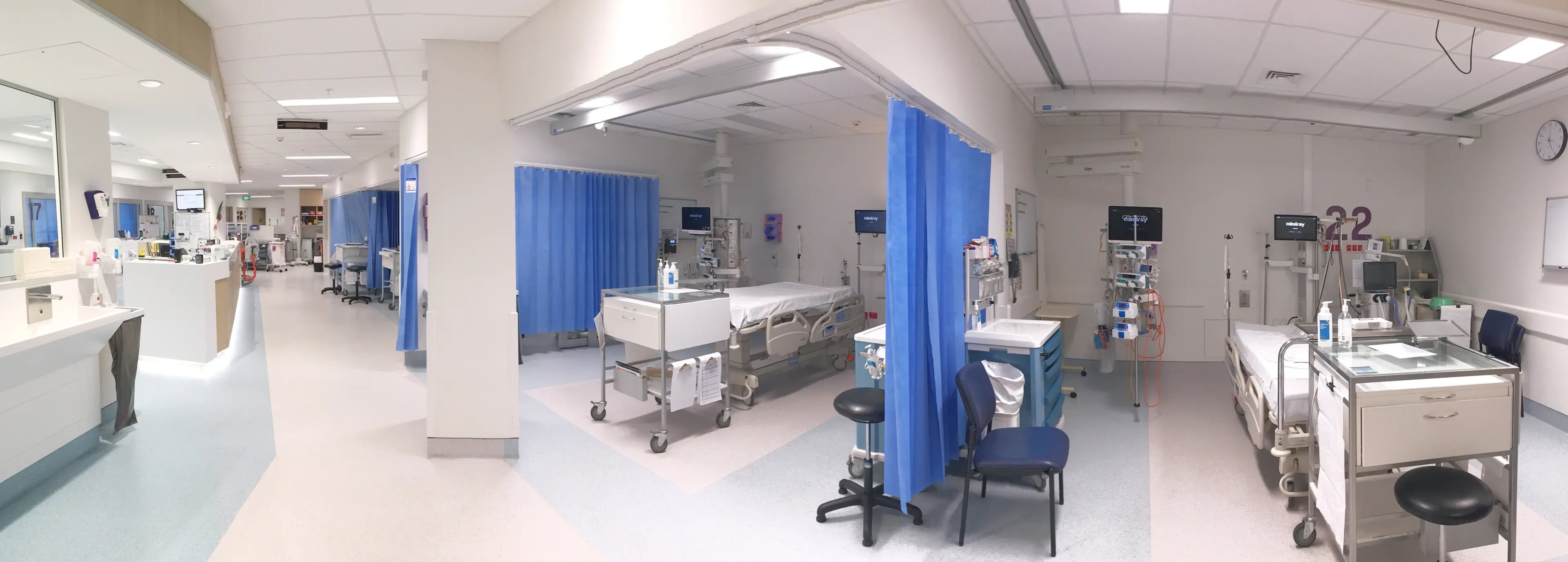
A remodelled ICU was expected to be used for 10-plus years before the new Dunedin Hospital opens, but now stage 2 might only be in use for five years, assuming the new inpatient building is completed on schedule in mid-2028.
However, Mr Wylie is determinedly glass half-full about the ongoing problems: while he would dearly love to have stage 2 of the project up and running, he is deeply grateful that at least stage 1 is available.
"It has been tough looking at 10 beds that look essentially fine, that you could put patients in but for the air being insufficient, knowing that we are not able to do surgery.
"It has been tough on the team.
"It’s like having a new car in the driveway and not being able to drive it ... but the old unit was so sub-standard and such a terrible place to work in, that even having just half a unit is a thousand times better than the old unit we were working in.
"It had no isolation rooms ... you would be working on a patient in one bed and banging into the person working on a patient in another bed through the curtain."
The lessons learned building the ICU would be applied to designing the unit for the new facility, and even though it is not open, Mr Wylie said stage 2 had already proven its worth.
Once the dimensions of the threat Covid-19 posed the region became clear, the Southern District Health Board obtained resource consent to use the unit if an emergency demanded it.

A few months ago, as several hundred new Covid cases a day were being reported in the South, stage 2 needed to be pressed into use for several weeks to cope with the sheer volume of Covid patients.
"The game is changing with Covid all the time, case numbers are going down now.
"We had assumed, when numbers were on the way up, that we would need to cohort everybody [who had Covid] in one big space.
"But now with numbers coming down and most of them not requiring ICU due to vaccinations and treatments, we probably have enough isolation beds to cope with that.
"But at the early stages we didn’t think that we would have nearly enough isolation beds to be able to cope," Mr Wylie said.
Having seen how hospitals overseas had been swamped by Covid patients, New Zealand had "clearly dodged a bullet" by being able to vaccinate most of the population before it swept the country, he said.
"What we saw overseas was pretty horrific — people triaging people away from ICU beds based on age alone because they didn’t have enough beds."
Now that beds are not in demand for pandemic management, Mr Wylie hoped that they could be used for what they were intended; caring for very sick people.
"We, and all DHBs, had issues providing enough beds for elective surgery, and when we get this open we will have much more elective surgery capacity.
"Not opening those 10 beds is directly impacting people’s treatment, because we have to postpone cases because we don’t gave the capacity, which is why this work is so critical."