
PHOTO
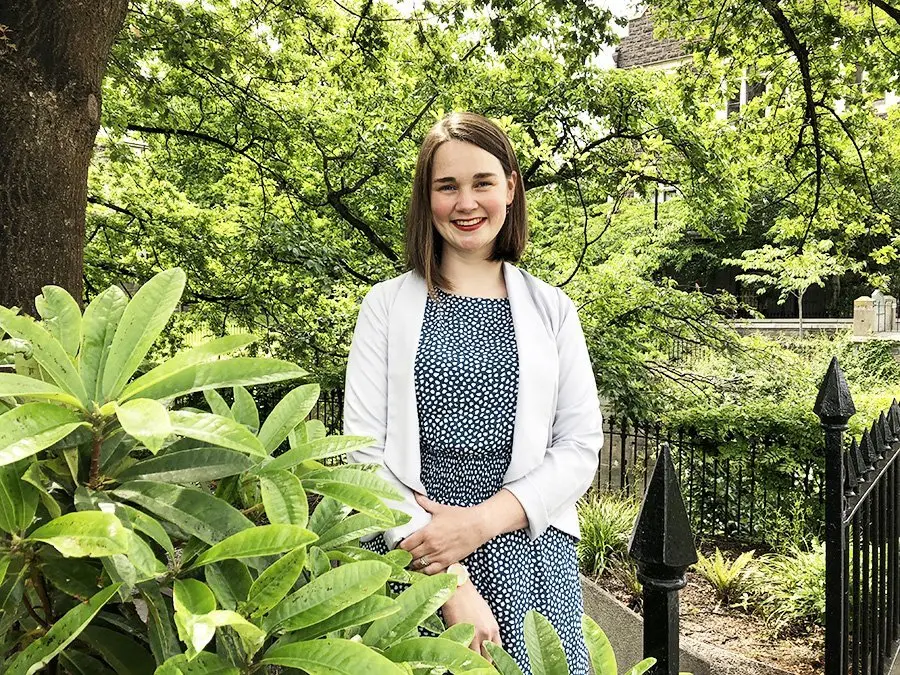
A specific biomarker in blood plasma named pTau181 may be another clue to identifying people who may go on to develop Alzheimer’s disease.
The clue was uncovered by new University of Otago research, using data from the Dunedin Multidisciplinary Health and Development Study’s age 45 assessments.
The biomarker has been shown in other studies to be strongly associated with Alzheimer’s disease in later life, and was found to be elevated in study members who raised concerns about their cognitive health, such as their memory and thinking.
Lead author University of Otago psychologist and Dunedin Study postdoctoral researcher Dr Ashleigh Barrett-Young said when tests were conducted on those study members, there were no detectable changes in their brain structure.
She said the results showed subtle changes in cognition might occur before they reached measurable levels.
‘‘This highlights the need for careful research to understand how early changes relate to later outcomes.’’
While further research was needed, the findings added to the growing evidence that Alzheimer’s-related processes might begin decades before clinical symptoms appeared.
The research showed there might be ‘‘an important window for prevention’’, which remained one of the most promising approaches for prevention or treatment of Alzheimer’s disease.
Dr Barrett-Young said tests to identify blood-based biomarkers were not yet available for routine use in New Zealand, but they had the potential to be accessible and widely available.
Despite the findings, she cautioned the discovery was ‘‘another piece of the puzzle’’ when it came to identifying Alzheimer’s early.
‘‘Importantly, biomarkers like pTau181 reflect risk — not certainty.
‘‘Understanding the earliest stages of disease development is essential for designing effective prevention and treatment strategies, even if clinical tools are still some way off.’’
Dunedin Study director Prof Moana Theodore said Dr Barrett-Young’s leadership on the project highlighted the impact the research was having on informing global ageing policy and allowing for better targeting of preventive healthcare.
She said study members were incredibly generous with their time and information.
‘‘Many have seen, first-hand, the multiple ways dementia can affect families, and hope that the information that they provide will be used to reduce disease and help others.’’