
PHOTO
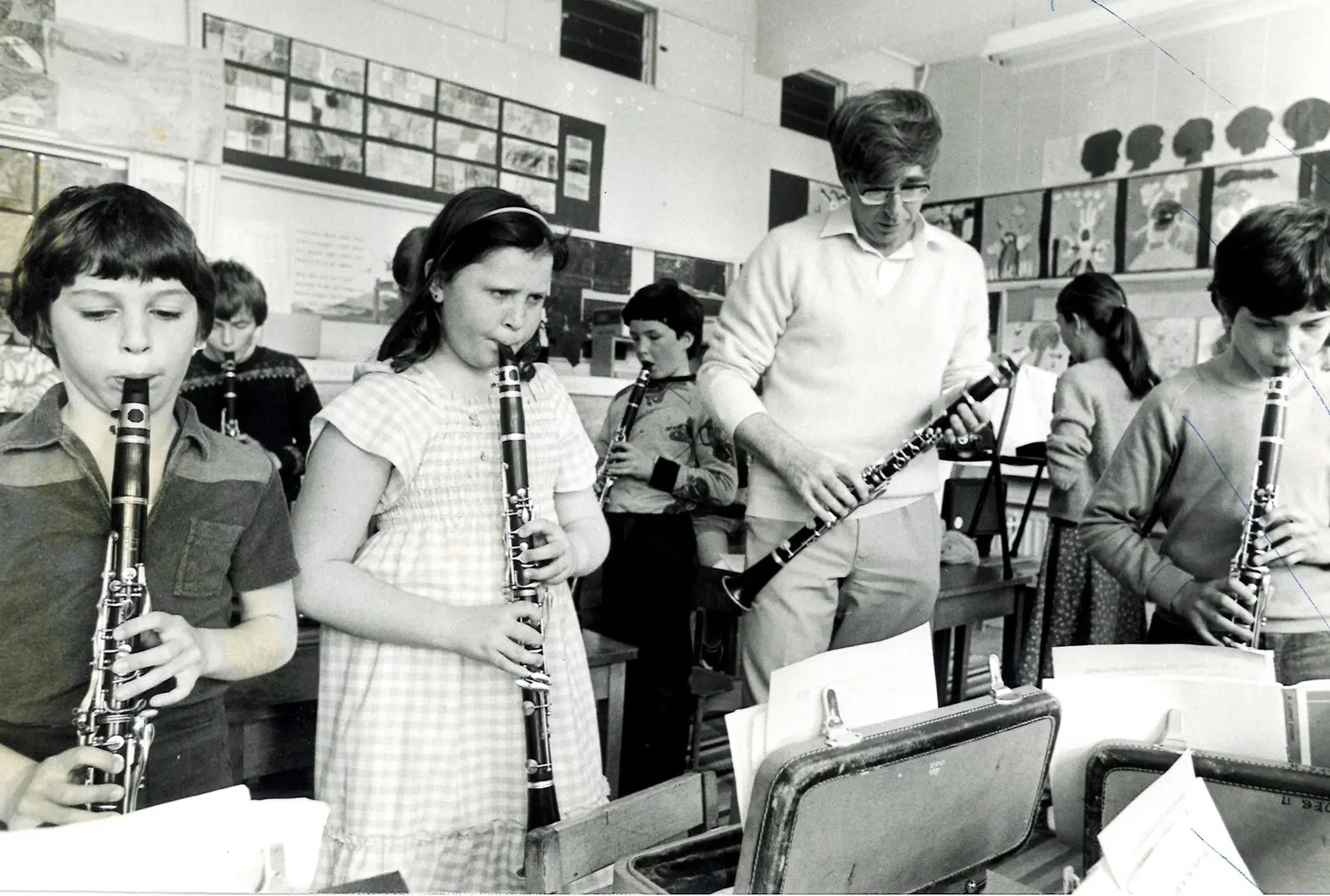
Barrie Rutledge’s style is imprinted in Dunedin’s musical DNA.
His family and students remember him as a humorous and gentle spirit who loved teaching music and remained active throughout his life.
The clarinet player’s legacy is the flame he kindled for music in all his students right up until the day he died.
He died on August 14, aged 90, just a couple of hours after teaching his last clarinet lesson.
Mr Rutledge was born in Christchurch on October 23, 1934.
His daughter Sarah Moreton said he was about 10 years old when his single mother Mavis Rutledge moved to Dunedin with him, his brother Trevor and two sisters Ainslee and Gael in 1944.
They all lived in a house in Ings Ave, St Clair with three of Mr Rutledge’s maiden aunties Olive and Ellice Nieper and his grandmother.
It was a household full of energy, laughter and mischief, Ms Moreton said.
Mr Rutledge’s father Alan Rutledge was a journalist for the Christchurch Star and The Dominion.
He became a parliamentary reporter and war correspondent during World War 2.
He never returned to the family after the war ended.
After Mr Rutledge’s grandmother died, his aunties helped his mother raise him.
He attended St Clair Primary School and King’s High School before moving to John McGlashan College to pursue music.
In his youth, Mr Rutledge was a known trickster and he, his brother and friends would get up to all sorts of mischief.
Ms Moreton said her grandmother let the Home Guard store uniforms in her garage during the war and one day Mr Rutledge decided to paint them blue because they thought the green looked a bit dull.
"Gran didn’t know and when the head of the Home Guard came knocking on the door for their uniforms, she wasn’t happy," Ms Moreton said.
Another time, a boy from his school was giving him grief while he was on his paper route so Mr Rutledge tied him to a lamppost.
Mr Rutledge also used to tie his sister to a clothesline frequently because she would get in the way of him playing cricket in their backyard.
Mr Rutledge’s aunties were well-known piano teachers in Dunedin and began teaching him to play early on.
"He had begun showing musical talent at a very young age."
Ms Moreton said there were photos of her father playing the recorder at age 3: "He loved music."
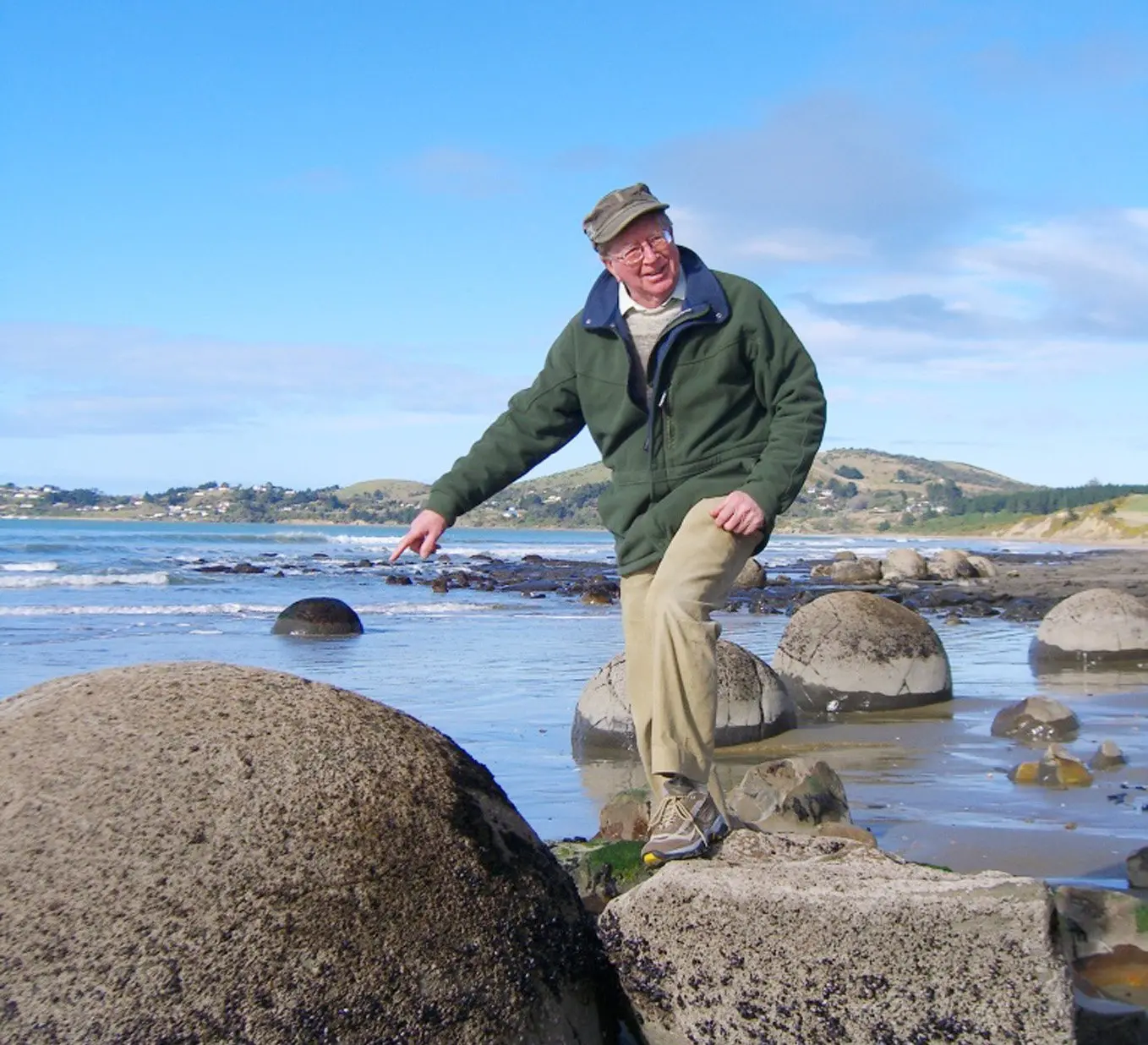
He began learning instruments by playing the piano but then moved on to the bagpipes and clarinet during his time at John McGlashan.
Mr Rutledge fell in love with the clarinet after hearing it at the National Orchestra concert in the 1950s and he received lessons from Dunedin clarinettist John McCaw.
He played music in a lot of his school’s productions and for many groups including a wind symphonia, the Dunedin Orphans Club Orchestra (now the Dunedin Musicians Club) and a saxophone trio called The Three Altos.
When he would play for The Three Altos he would often say he was going to entertain the elderly even though he would have been older than most that he played for, Ms Moreton said.
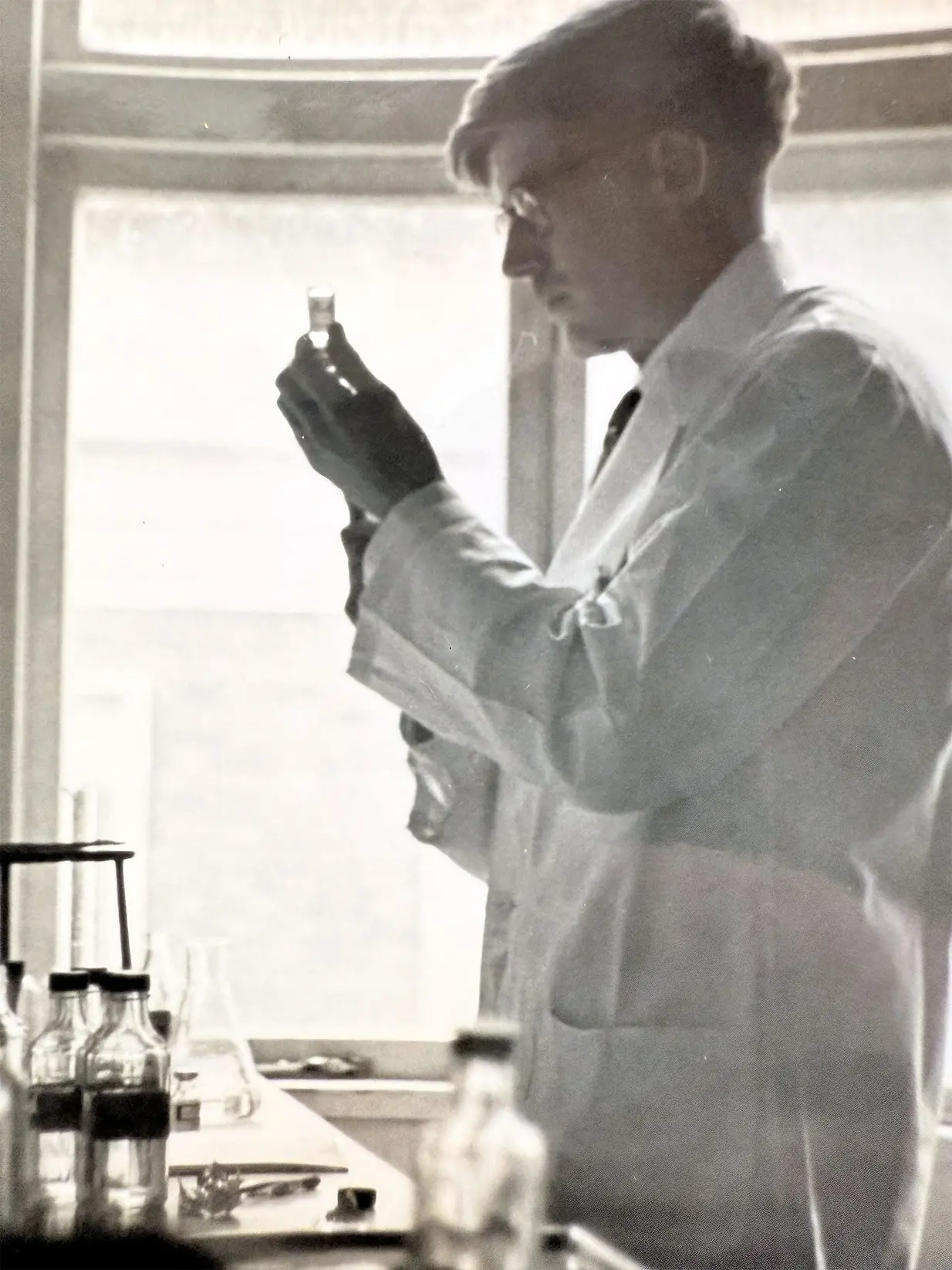
Mr Rutledge began his working career as a diagnostic laboratory technician at the Dunedin Hospital School of Medicine and then became a virus researcher in the University of Otago microbiology department.
He started teaching music at Saturday Morning Music Classes in 1982 and taught in Columba College as well.
He was always in the school’s orchestra every production they did.
When the university’s research department downsized in the early 1990s, Mr Rutledge decided to take early retirement and become a fulltime music teacher.
All of his students loved him, Ms Moreton said.
He was immensely proud of one of his students, Jenny Petegem-Thach, who had recently won a music scholarship for secondary students.
Ms Moreton said the music was what kept him going all the way until he died.
"He loved it. It was his passion."
His musical ability never declined.
On the day he died, he had finished teaching a pupil and was watching The Chase on television while his wife Nancy Rutledge was cooking dinner.
He went upstairs to his bedroom to turn his electric blanket on and never came back down.
Ms Moreton said he had never been unwell in his life aside from a stroke about four years ago.
"He was always so full of life ... and was an active member of the community."
Mr Rutledge had been a member of the Balmacewen Lions Club for 50 years and it was an honour for him to receive his life membership in 2024.
Mr Rutledge celebrated 60 years of marriage to his wife in May this year.
He met her at the golf club Chisholm Links when they were paired together in a fours game.
She said he told her he would marry her if she got a putt in and she did. They were married two years later, in May 1965.
The pair had two daughters, Ms Moreton and Louise Khoshaeen and five grandchildren, Olivia, 29, Grace, 25, Anthony, 23, Jeremy, 22, and Hunter, 19.
Mrs Moreton and her children Olivia, Grace and Hunter lived in Dunedin and Mrs Khoshaeen and her children Anthony and Jeremy lived in Brisbane, Australia.
Mrs Rutledge said her husband was a real people person and he made as much time as possible to teach his students
She missed his wit.
"I don’t think anyone could ever replace Barrie, he was really amazing."
One of Mr Rutledge’s students, Adam Doesburg, who learnt from him between 1995 and 1999 at the Saturday Morning Music Classes, said he was a "phenomenal" teacher.
He was very encouraging and understated as a teacher, Mr Doesburg said.
"He never had any ego or any sort of agenda other than to enthuse you as a student and to really cheer you along.
"His passion for music was infectious, you just sort of got swept up in it."
Mr Rutledge was always in high demand as a teacher and he always put his students before himself as a musician.
When he died, he was still teaching at least three afternoons a week and had about 10 students on his roster.
Mr Doesburg said Mr Rutledge refused to teach him the saxophone because he believed any half-decent clarinet teacher would not teach the saxophone.
"I think he’s just a bit of a purist and he didn’t want me to be distracted."
Mr Doesburg had taken over Saturday Morning Music Classes after Mr Rutledge died.
He said a lot of Mr Rutledge’s students including himself sounded just like him.
"There’s this uncanny DNA in their sound that echoes my own sound because we were taught by the same guy.
"It’s really made me realise that music is like a flame that never goes out."
Many of Mr Rutledge’s students had played at the highest levels locally, including Stephen Cranefield, who plays principal clarinet for the Dunedin Symphony Orchestra.
Mr Rutledge became a member of the Institute of Registered Music Teachers of New Zealand (IRMTNZ) in 1992 and served in the committee for a number of years including as vice-chairman.
IRMTNZ Otago Branch chairwoman Kathy Thompson said Mr Rutledge’s care and gentle sense of humour would always put students at ease when they practised and performed at recitals.
"To receive that kind of education weekly from such a gentle man is a priceless treasure for them all." — Mark John.