
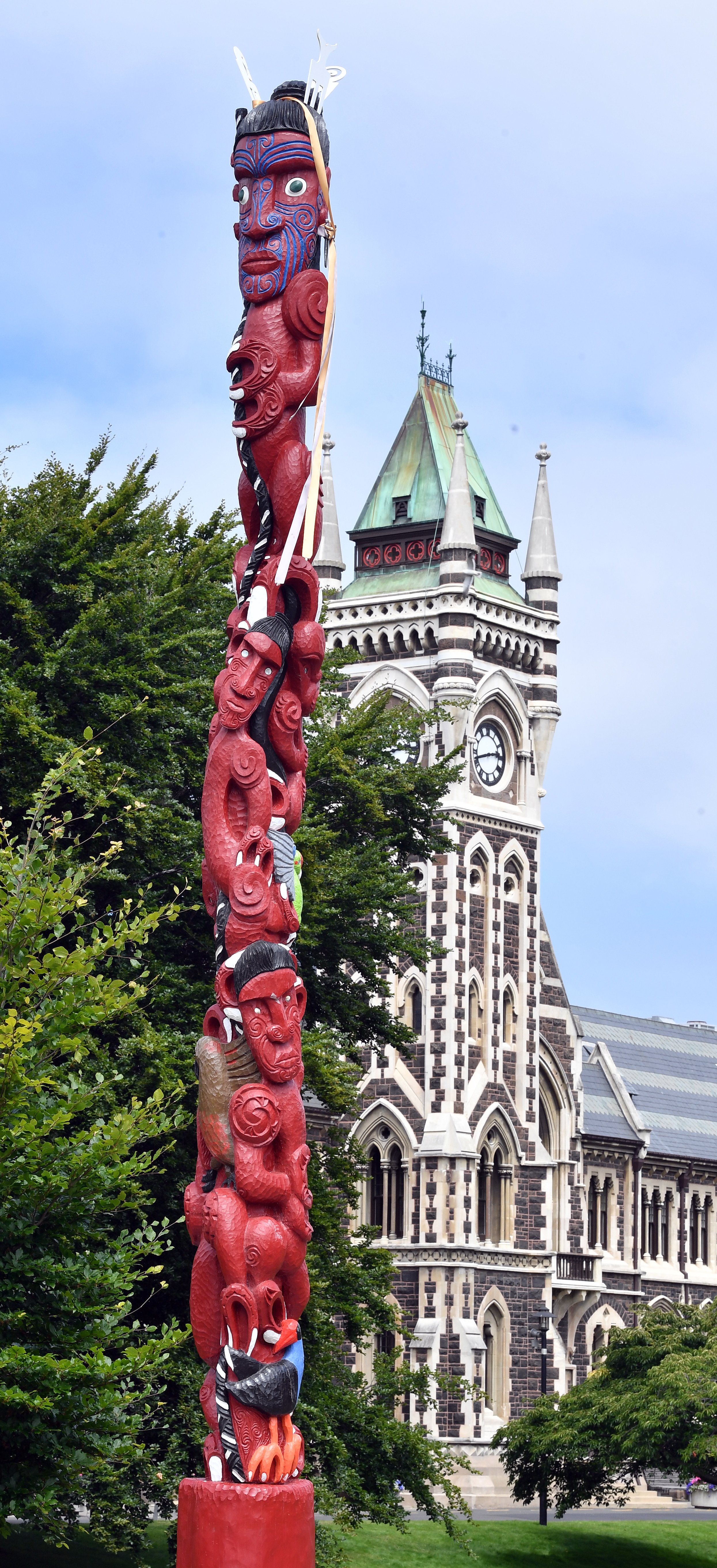
After months of keeping it under wraps, the university finally revealed the overall project cost of the sculpture — $112,523.71, including GST — in November.
However, chief ombudsman Judge Peter Boshier said the figure should not have been withheld in the first place.
"It is commonplace and expected for the public sector to provide information about what it spends public money on," he said.
The Otago Daily Times asked for a cost breakdown under the Official Information Act last May.
The university would not provide one, citing exemptions concerning risk to contractors’ commercial positions and the obligation of confidence.
Concluding the investigation late last month, Judge Boshier said it was his opinion the university was entitled to refuse a breakdown, but it should not have refused to disclose total costs associated with the project.
He considered the university’s two claimed exemption grounds.
Issuing the combined costs rather than a breakdown of the costs of the project would not give specifics of the commercial position of any third party — as the university claimed — he said.
"It is difficult to see how releasing this figure would be likely to disadvantage these contractors with their direct competitors when pricing future work ... there is no way to work out from the total cost how much has been paid to the various parties involved in the work."
He also dismissed the second ground for exemption claimed by the university — that the future public interest would be put at risk by the supply of information understood to be confidential.
"I do not agree that financial information is inherently confidential," he said.
This was particularly so when information was combined in a way that would obscure specific costs.
It was "commonplace and expected" for the public sector to provide information about how it spent public money, and the potential for this to be disclosed was part of doing business with a public sector organisation in New Zealand.
There was a clear financial incentive for the third parties to continue doing business with the university and providing invoices, he said.
Successive ombudsmen had also been sceptical that releasing the information in similar situations would prejudice the future supply of information, given the commercial incentives to continue contracting with government agencies.
However Judge Boshier said he did not intend to make a recommendation on the case given the total project cost had now been provided.
The university revealed the figure in late November while the investigation was ongoing.
The cost included the design, carving and materials as well as engineering, consultancy, landscaping and scaffolding.
It did not provide a breakdown, but said engineering and landscaping costs were "significant" and there had been notable generosity in the carver’s contribution.
The pou whenua, titled "Tāwhaki", was commissioned by the university’s office of Māori development in 2019 to celebrate the university’s 150th year.
The work reflected the strengthening of culture and diversity.
Tāwhaki — a mythological demigod who sought celestial knowledge from his gods — was carved at the top.
Located between the Water of Leith and the St David lecture theatre, it was shielded from the view of passers-by with scaffolding, plastic and wooden boxing for more than a year before being unveiled in October.
The university provided little detail when asked for project updates by the ODT, and when refusing to provide information on costs said it would consider any ongoing information requests about the pou to be vexatious and culturally insensitive.
Subsequently, the ODT complained to the ombudsman.


