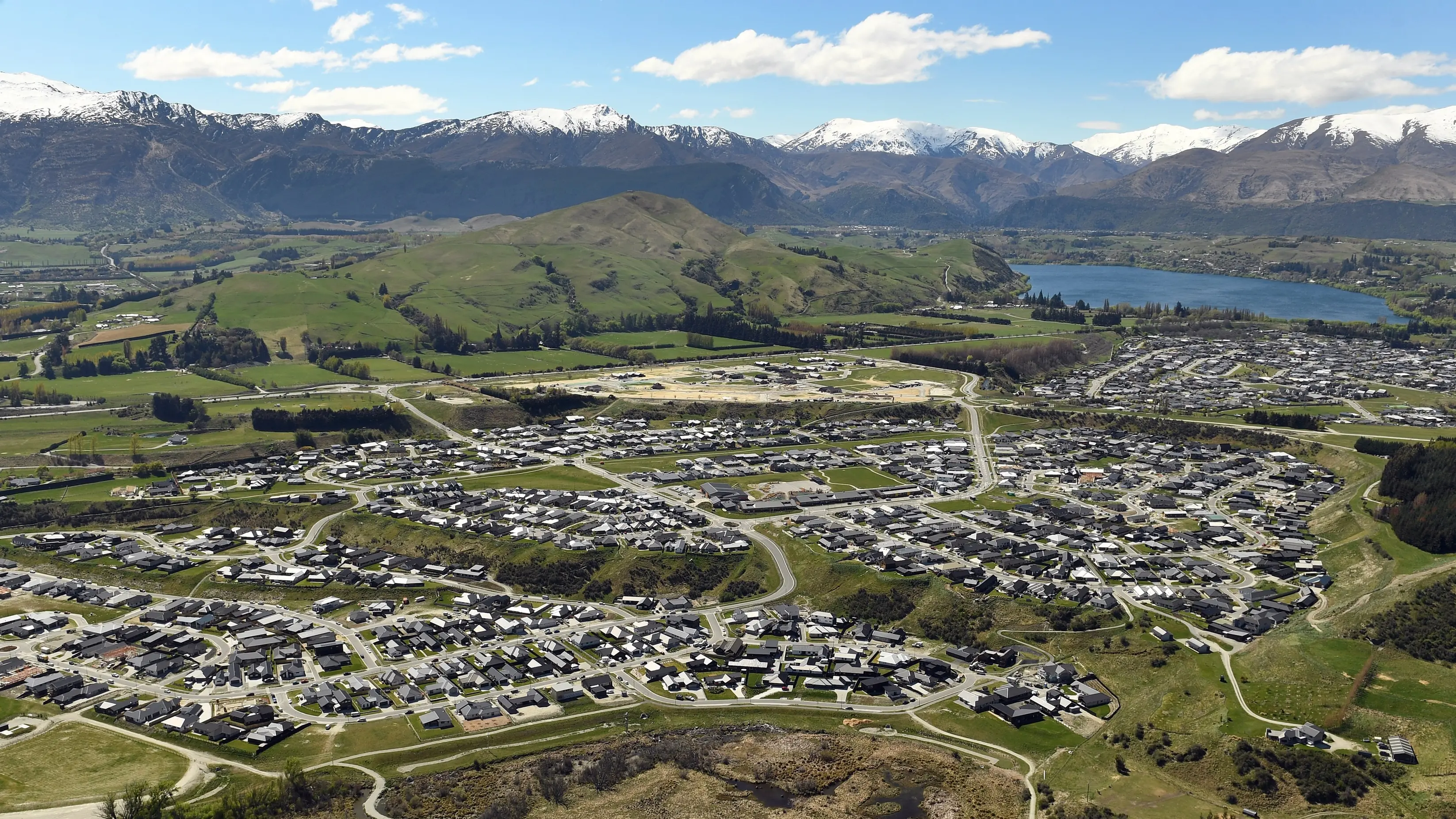
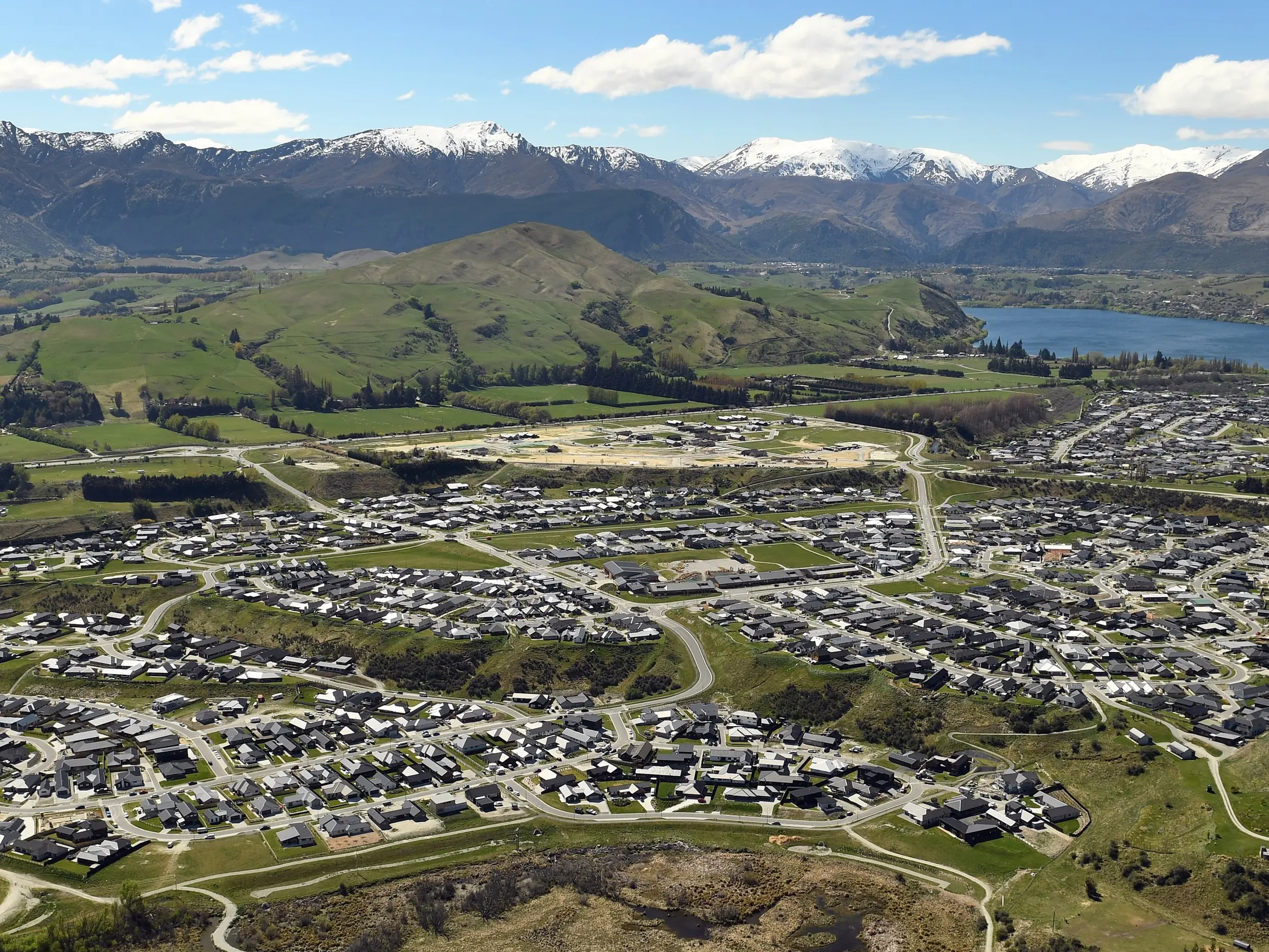
RCL’s 63ha development site at Homestead Bay in Queenstown. PHOTO: SUPPLIED Developers of the $730million Homestead Bay housing proposal — approved yesterday — are not wasting any time in getting started, staging an open day at the site tomorrow. Australian company RCL Homestead Bay Ltd lodged an application in June last year to construct 2800 residential homes and a commercial retail precinct bordering the southern corridor in Queenstown. It was approved through fast-track legislation. The boost in housing numbers in Queenstown is expected to be followed by another housing development in the resort, set to be announced in coming days. The long-running Flints Park application, on Ladies Mile, is due to be released after a draft of conditions were circulated to interested parties this week with comments to be received by yesterday. The Homestead Bay development is for 1438 standard residential lots, 22 medium-density superlots allowing for 203 future residential units and 14 high-density superlots allowing for 890 future residential units. Combined, the proposal will provide 2531 residential units over 205ha. The same company was behind the neighbouring Hanley’s Farm development. The company could not be contacted yesterday. The application was processed by a panel made up of Queenstown lawyer Jayne MacDonald (chairwoman), environmental scientist Dr Jane Kitson, engineer Alan Pattle and resource consent hearing commissioner Rosaline Day-Cleavin. The company is set to announce details of stage one of the development on Monday. There was plenty of opposition to the proposal including Queenstown Lakes District Council, the Jack’s Point Residents and Owners Association, NZ Transport Agency Waka Kotahi and many private residents. The panel said landscape change from a rural to an urban environment was an anticipated outcome of this development and aligned with the strategic direction for the southern corridor. Queenstown Lakes District Mayor John Glover said it was the first of seven fast-track consenting housing decisions around Queenstown which was part of the fast-track process. If all are approved they would bring 7000 houses to the resort. Mr Glover said with the fast-track process, there was always going to be tension between the consents developing and aligning with the infrastructure being delivered. ‘‘Because once we do have plans for upgrading water, wastewater and everything in that area, it’s probably not in a timeline that will match the developers’ expectations,’’ he said. ‘‘So, it is a fast-track to consenting. It’s not necessarily always a fast-track to delivery. ‘‘There’s also capability in the market. What can the market deliver by way of shovels in the ground? And as we all know, the more and more demand there is, the more and more expensive it gets.’’ The council had wanted the new development wastewater system to be connected with the council system but the panel had ruled Homestead Bay could have their own system or connect with the council at a later time. He said the issues may be adding up, but he was positive about the resort. ‘‘A couple of people I was talking to a few days ago, they were saying the alternative is you’re living somewhere where you’ve got a declining population, you’ve got ageing infrastructure, you’ve got nobody there to pay for it, and there’s no life in the community. So, it doesn’t always feel like it, but it’s great that we’ve actually got a buoyant problem. And busy problems are good ones to have.’’ Queenstown resident Jo Dey, who made submissions in the fast-track process, said it was no surprise the application was approved as once it went into the fast-track application and structure plan it was a foregone conclusion. ‘‘Conditions have been added to this consent, but my bigger concern is how we arrived at this point in the first place, Ms Dey said. ‘‘It reflects a wider pattern of central government pushing for more housing where infrastructure and landscape capacity are already constrained, using a mechanism that’s ultimately flawed. Fast-track doesn’t allow the scrutiny needed to properly assess the nuance and complexity of places.’’ It approved housing numbers without matching infrastructure capacity, transport outcomes, or landscape limits, she said. ‘‘Traffic jams were now as visible a part of the visitor experience as the landscape. ‘‘Queenstown’s landscape setting is a defining asset, and growth needs a place-specific response that protects it . ‘‘Housing at all costs might tick a box, but it risks locking in reduced liveability, damaging the tourism brand, and irreversible cumulative landscape effects.’’