
PHOTO
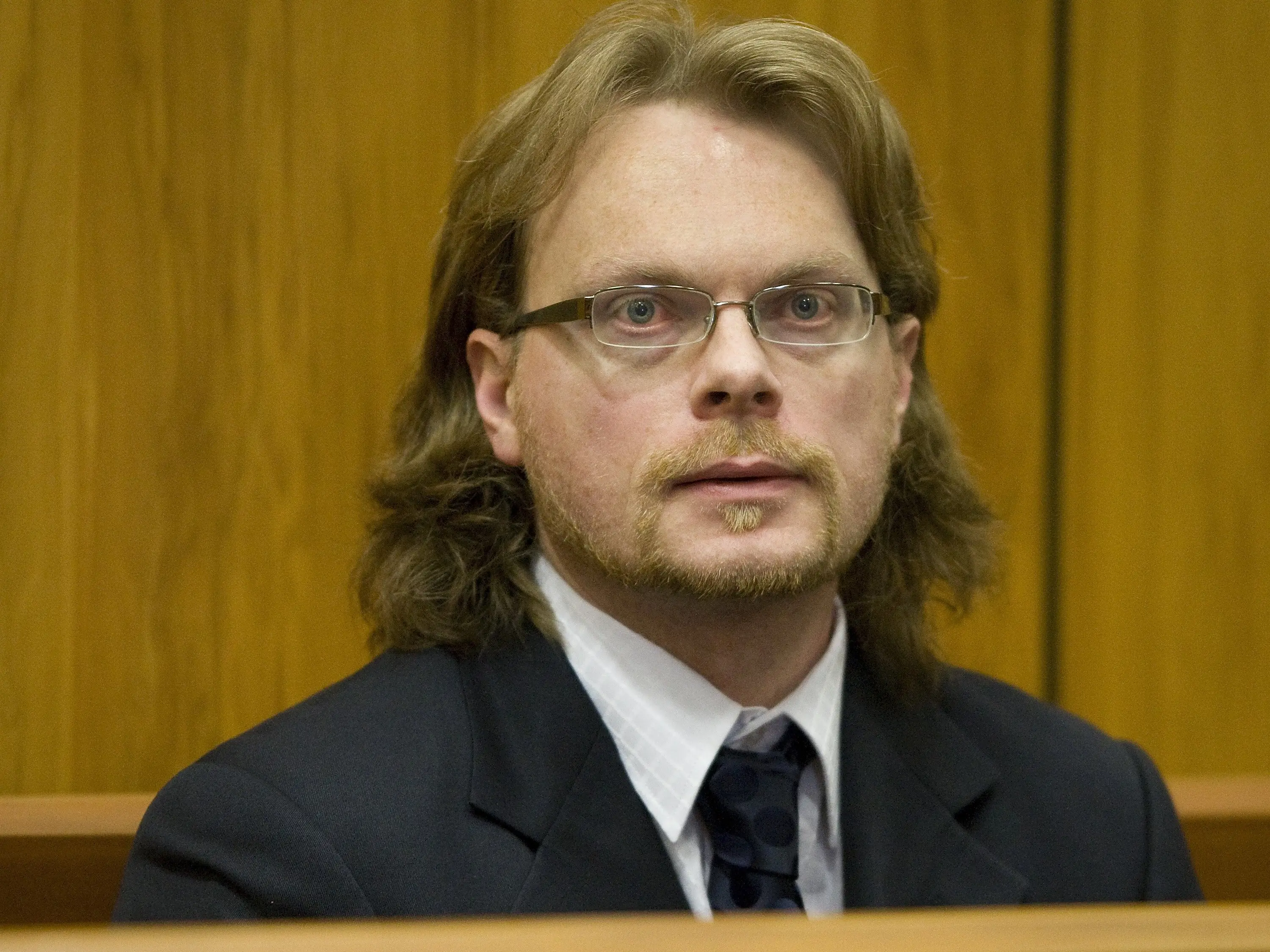
Clayton Weatherston says he murdered his ex-girlfriend because he was “full of an uncontrollable rage”.
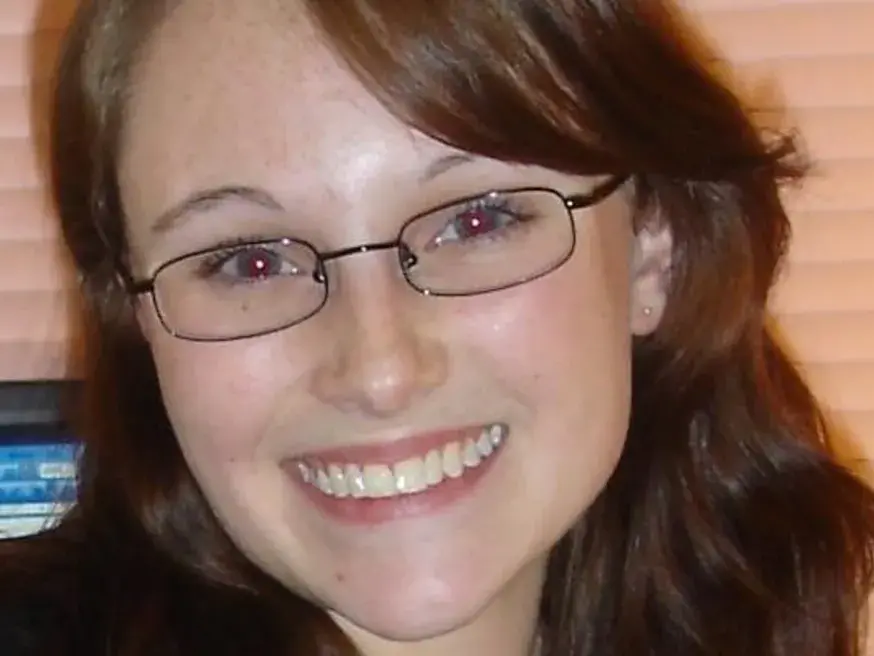
The former University of Otago lecturer, who recently turned 50, has been in prison for 18 years over the harrowing murder of 22-year-old Sophie Elliott, whom he stabbed more than 200 times in her Ravensbourne home.
The Parole Board this morning decided Weatherston would spend at least another 22 months behind bars.
The hearing marked his first appearance before the board and he cut a different figure from the man who sat through the five-week trial in the High Court at Christchurch in 2009.
Weatherston’s glasses and beard remained, his hair receding and a little shorter, but he wore a tight, grey prison-issue t-shirt and shorts accentuating a new muscular physique.
His counsel Roger Eagles said at the hearing’s outset that parole was not being pursued today given the rehabilitative work the inmate was yet to undertake.
The board heard three reports had diagnosed Weatherston as having a “severe personality disorder” with narcissism and concluded he presented a high risk to potential partners.
During the parole hearing, which lasted more than an hour, the killer was probed on all aspects of the case by the board.
Dr Jeremy Skipworth asked Weatherston what drove him to mutilate Ms Elliott so brutally.
“I think my offending was alleviating the sense of frustration in the internal world I created for myself, my distress and negative thought process around that,” the prisoner said.
“With Sophie, a lot of things were going on in the relationship . . . I was full of an uncontrollable rage.”
Weatherston explained that he transferred his own insecurities and self-loathing onto the victim.
“It was just a really inarticulate, brutal and visceral way of wiping someone out, who you feel at the time has hurt you in every way possible," he said.
“I’m concerned by the primal urges and impulsive aspects of that.
“Reflecting some more, it was just an ‘F you’ about everything about her and about that I’m ashamed. It was incredibly misguided.”
At trial Weatherston used the partial defence of provocation, blaming Ms Elliott for his actions.
Significant public outcry and pressure from the Law Commission meant that legal avenue was abolished in November 2009.
Weatherston said today that he wished he had taken a different tack at trial.
“I feel that shifting that blame and shifting the focus of my behaviour away from me onto Sophie was completely wrong,” he said.
“That was implicit, or explicit, in that defence and I certainly regret the nature of that court process.”
Board member Alan Hackney asked Weatherston whether he experienced nightmares or flashbacks from the incident on January 9, 2008.
“Yes, all those things,” he said.
Weatherston described his anxiety, shame and the intrusive thoughts that entered his mind when alone in his cell.
He put it down to “extreme regret for the tragedy of the whole situation”.
Mr Hackney, though, noted Weatherston had described such trauma “incredibly calmly”.
“It's not something that’s easy to deal with but some days I get very emotional about it. Some days I say ‘you just have to accept what’s happened and move forward’,” the inmate said.
Moments later he was passed a box of tissues to dry his eyes.
Large portions of the discussions between Weatherston and the board revolved around his acceptance, or otherwise, of the psychologists’ diagnoses of his narcissism and high-risk status.
While at times he appeared to accept their collective assessment - “Who am I to disagree?” - there were times when he seemed to doubt it.
“I think that the severity of the narcissism in one of the reports is maybe slightly overstated. I think there’s a lot of evidence to show I’m cooperative and self-directed,” he said.
The board heard Weatherston had spent more than 1000 hours reading widely about psychology in a bid to understand his behaviour and prepare himself for therapy.
He told board member Dr Julia Ioane he began by studying Acceptance and Commitment Therapy.
So what had he learned?
“Shit happens and we have to drop anchor and deal with it,” Weatherston said.
He said his readings had prompted him to reflect on the younger “hard-charging” version of himself and his innate lack of self-worth.
“I had no [emotional] literacy. I had nothing. I didn’t know how I felt. I couldn’t acknowledge how angry I was,” he said.
Dr Ioane issued a gentle warning not to treat the psychological work as an intellectual exercise and emphasised the importance of listening.
“People go on about my intellect and I just think I’m a battler,” Weatherston said.
He had four supporters who attended today’s hearing, three of whom addressed the board.
One, who had known Weatherston for many years, described him as “a gentle gently boy” when he was younger and said she would always stand by him.
Another told the board he had witnessed large changes in the inmate’s attitude but acknowledged there was a long way to go.
That was underscored by Weatherston’s case manager who said he would undergo psychological treatment in the next six months to address “responsivity” issues.
From there it would be determined whether he could undertake group therapy or further individual sessions.
Weatherston’s lawyer Roger Eagles stressed the positives.
“One could be cautiously optimistic given Mr Weatherston’s strong motivation to deal with his issues that he might make rapid progress,” he said.
In declining parole, board chair Hon Jan-Marie Doogue said it would be a “long road” ahead.
Weatherston will next see the board in November 2027.
Where to get help:
If it is an emergency and you feel like you or someone else is at risk, call 111.
Sexual Violence
- NZ Police.
- Victim Support 0800 842 846.
- Rape Crisis: 0800 88 33 00.
- Rape Prevention Education.
- Empowerment Trust.
- HELP (Auckland): 09 623 1700, (Wellington): 04 801 6655.
- Safe to talk: 0800 044 334.
- Tautoko Tāne Male Survivors Aotearoa.
- Survivors Network of those Abused by Priests (SNAP) 022 344 0496.