
PHOTO
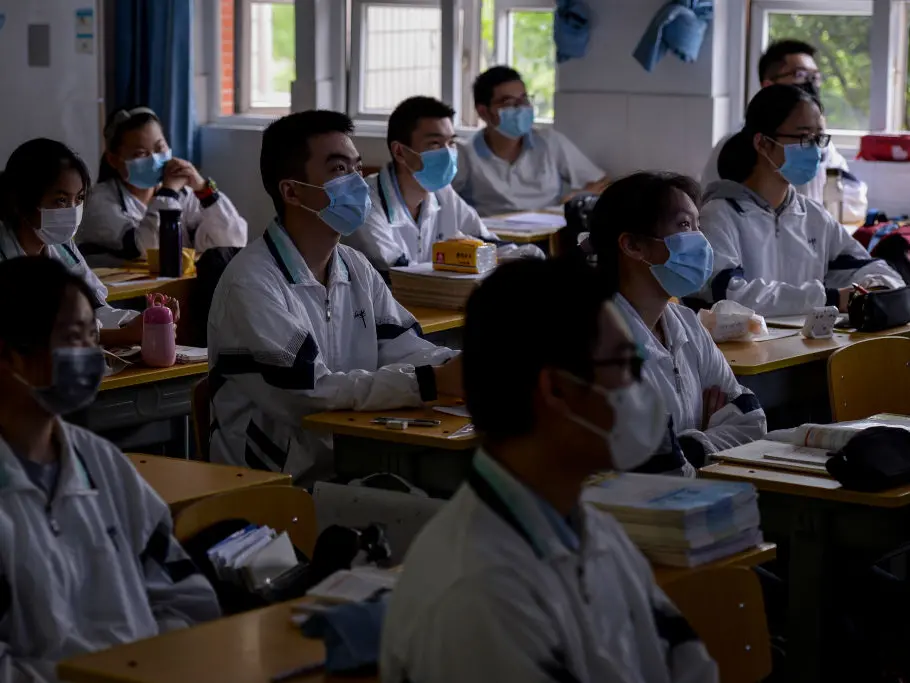
A University of Otago epidemiologist says "mass masking" should be part of New Zealand's fight against Covid-19 as the country moves to alert level 2 making social distancing more difficult.
However, Director general of health Dr Ashley Bloomfield told the New Zealand Herald today it had taken another look at the evidence and masks would not be made compulsory at alert level 2.

- Businesses to open, but entry to level 2 could be phased
- Revealed: The rules of alert level 2
- Schools, childcare open for all at level 2
- Hairdressers to reopen at alert level 2
- Skifield operators delighted at level 2 rules
- Professional sport to return at Alert Level 2
Prof Michael Baker said there was enough evidence to suggest people wearing masks in public places helped stopped the spread of the virus.
Masks could stop the spread of droplets which contained Covid-19, particularly in areas like public transport and retail spaces, both of which would become busier as New Zealand moved down alert levels.
“I think that is when mass masking has a really important role."

The masks would not be taken from healthcare workers and could instead include homemade fabric masks.
New Zealand could look to Asian countries, including Taiwan, which had used masks as part of successful efforts to contain the virus.
Dr Bloomfield said in higher-risk environments, such as public transport, people may wish to wear a mask, but they will not be compelled to.
"We've just had another look at the evidence. People may wish to use a mask. If they know how to use it properly, that's fine, but at this point we won't be insisting on masking."
He said it was common for people in South East Asia to wear masks in public, but that was because they had a cold and were trying to prevent germs from spreading.
"One of our key public health principles is: don't go out if you've got a cold, don't go to work, don't send children to school if they have a respiratory infection."
A Ministry of Health spokeswoman said it was closely following the evidence on mass masking, but at present did not support it.
"The ministry is watching very closely advice from the WHO and CDC around whether or not people should wear face masks in public to limit spread of the virus from people who are infected but not showing symptoms.
"The best current advice remains that basic hygiene measures such as frequent hand-washing, physical distancing and sneeze and cough etiquette are the mainstay of our defence against COVID-19.
There were ways in which wearing a mask could be helpful and also ways in which it could be harmful.
"In many countries, individuals who are unwell often wear a mask when they go out. There is evidence that can be good practice - particularly for protecting others.
"However, there is also evidence that wearing a mask can do harm such as when it leads to people touching their face more often due to discomfort.
"This can increase the risk of contamination from the hand.
The Ministry would continue to follow the latest evidence on the benefits and update the public if the situation changed.
With NZ Herald