
PHOTO
The Government's new cancer care plan needs to have real targets, timeframes and accountability, the Cancer Society says.
Prime Minister Jacinda Ardern and Health Minister David Clark yesterday unveiled the long-awaited plan, which will result in a national cancer agency being set up and a $60million boost provided over two years to buy cancer treatment drugs.
By 2040, about 52,000 New Zealanders are predicted to be diagnosed with cancer annually, or 144 people a day.
Cancer Society medical director Chris Jackson said the plan was a positive step towards a first-class cancer care system, but wanted to see more confirmed details and approved funding before offering whole-hearted approval.
"We can't lift outcomes without spending in the key areas identified in the plan to reduce the number of Kiwis affected by cancer and improve survival for those who get cancer," Dr Jackson said.
"We will challenge the Government to make sure the final plan includes real targets and timeframes and that Government and DHBs are accountable for delivering on the goals of the plan."
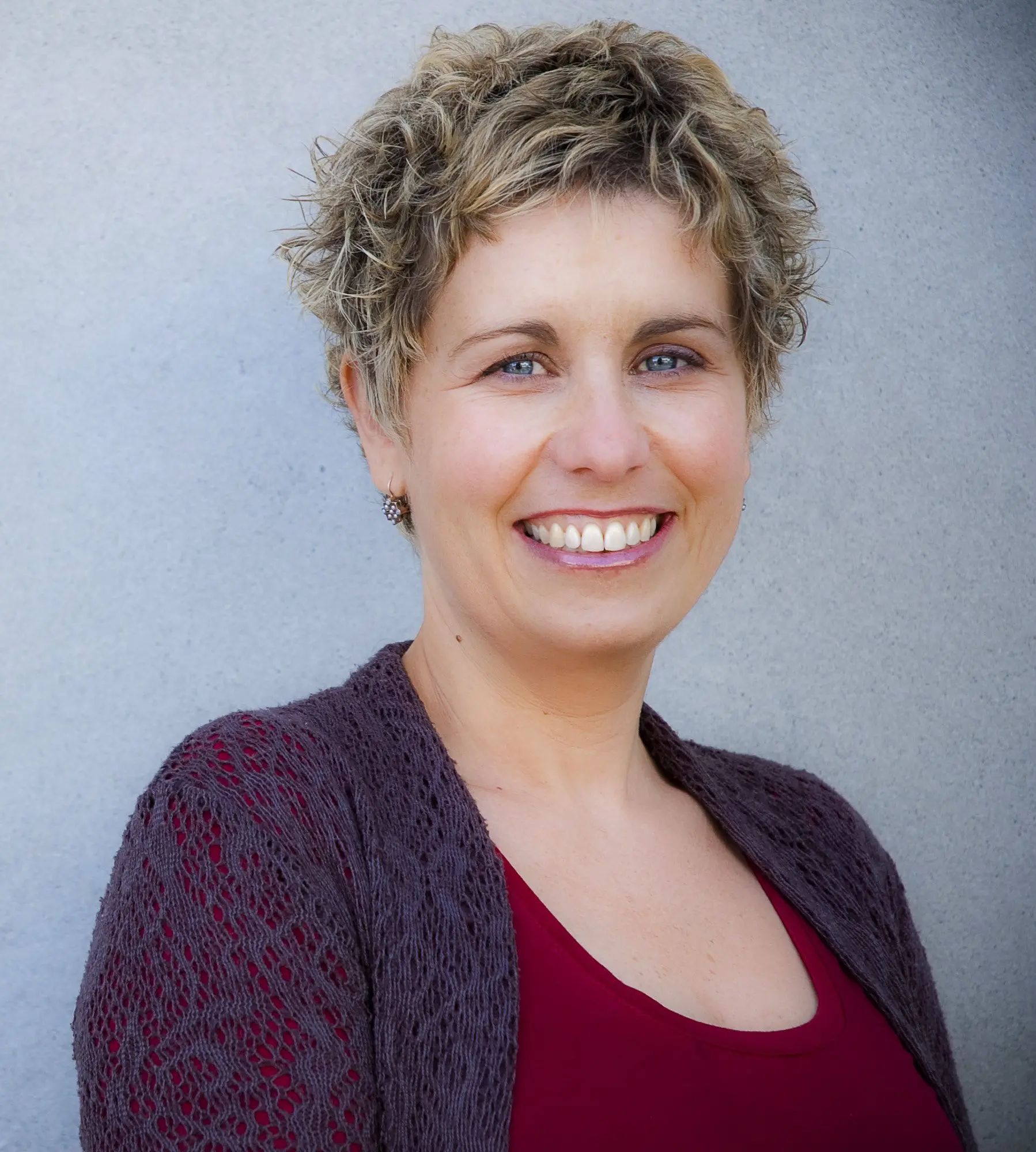
As well as announcing the plan and new funding for drug buying agency Pharmac, the Government confirmed University of Otago Wellington cancer epidemiologist Diana Sarfati had accepted a six-month interim national cancer control director position.
"I have spent much of my working life looking at why some groups in New Zealand are more likely to get cancer, more likely to die from cancer, and most importantly what we might be able to do about that," Dr Sarfati said.
"This role presents a unique opportunity to directly take on the challenges we face in cancer care and control in New Zealand, and make no mistake, the challenges we face are considerable."
Health Minister David Clark said the plan envisaged the new agency placing greater emphasis on prevention and screening.
"An immediate priority will be establishing quality performance indicators for specific cancer types.
"This will mean we can measure progress towards consistent care across DHBs.
"We are also combining the four current regional cancer control networks into a national network to help remove regional variations in care."
The plan said New Zealand's five-year survival rates after most cancer diagnoses were among the highest in the world.
"However, recent research suggests that our survival rates from cancer may be falling behind those of our comparable countries, and not improving."
Research carried out in 2016 found 24,086 New Zealanders were diagnosed with cancer that year, up 21% since 2007.
"New Zealand has an ageing and growing population, so we anticipate this trend will continue," the plan said.
Ms Ardern said the plan aimed to deliver an excellent national standard level of cancer care.
"It should not matter where you live in New Zealand, you should have good access to screening, you should have good access to treatment, we should have world-class cancer care no matter where you live.
"Currently, there has been significant underfunding for a number of years and [therefore] that hasn't been the case; we need to turn that around."
National health spokesman Michael Woodhouse said the Government had been "embarrassed into action" by National's earlier cancer plan announcement, and yesterday's announcement was a "watered down regurgitation" of his party's work.
"Commitments including prevention, screening, treatment and palliative care are meaningful objectives, which can be found in the already established New Zealand Cancer Plan 2015-2018," he said.