
PHOTO
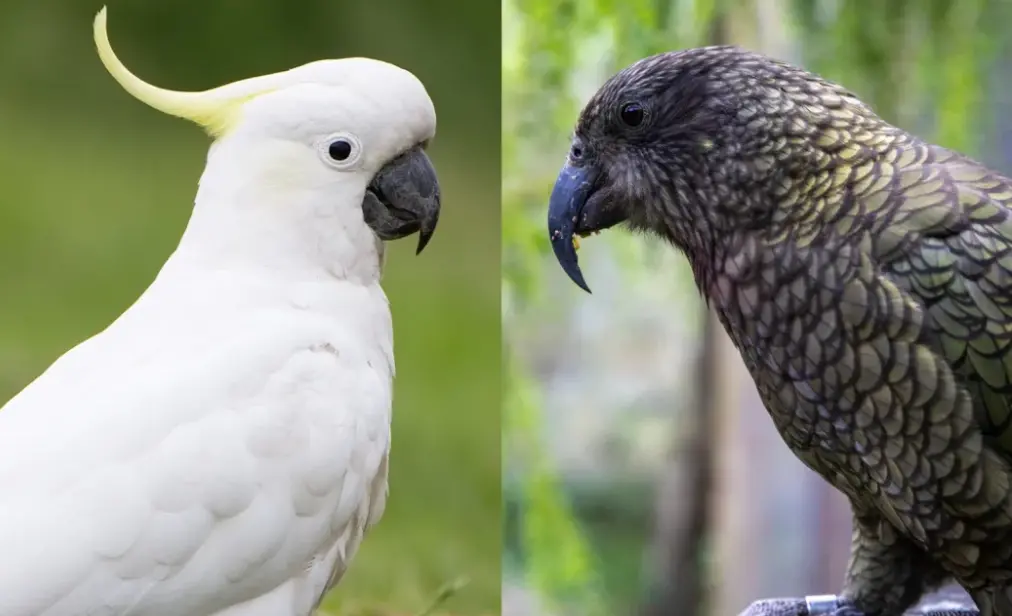
A study comparing the intelligence of the kea and cockatoos has put New Zealand's native bird on top.
Researchers at Austria's University of Vienna examined the emotion of "surprise" in the parrots, testing how they would react to being given less desirable food than they were led to expect.
Kea that were shown a peanut but given a piece of apple appeared surprised and disappointed, searching for the peanut.
Meanwhile, cockatoos didn't react to the bait and switch.
Dr Laura Young, a conservationist at the Kea Conservation Trust, said the study reaffirmed kea's intelligence.
"I'm not surprised, kea are pretty clever. Kea are about the cleverest species I know of.
"They seem to work together quite well, and the way they just look and tilt their head, and learn and listen is very curious and it makes me think their brains are a lot bigger than we think."
Dr Young said she had worked with kea for about 15 years and seen their remarkable behaviour first-hand.
"One example I can think of is when, on the Milford Road by the Homer Tunnel, they found there were all these queues of traffic stopping outside the tunnel ... All these road cones were laid out in front of the tunnel stopping the traffic," she said.
"They wondered what it was, so they put up some cameras and realised the kea were dragging these road cones onto the road and it was stopping all the traffic from going through - and I'm sure they were having a laugh about that."
Despite their cleverness, the endangered kea still needed human intervention.
Dr Young said the Kea Conservation Trust had recently turned its focus to the threat of lead poisoning for the curious parrot.
"They love chewing on hut nails and flashings ... because it tastes sweet to them.
"And they often get into the carcasses of wild animals when they're shot and so they get into the lead ammo. There's been a big drive to go away from lead ammunition for government culling programmes, so that's been a huge win.
"There's also been a big push by the Kea Conservation Trust to remove lead head nails and flashings off buildings in villages where kea hang out."
New Zealanders on holiday over the summer could do their part to help the kea population by reporting sightings to the trust's kea database, she said.
And it was important for people not to teach bad behaviour to the birds.
"[Don't] ever feed kea or leave your gear out because it kind of just encourages them.
"They're so cheeky and curious - they'll get into all your stuff and when they start learning that behaviour, it leads to a whole raft of other problems," Dr Young said.
