
PHOTO
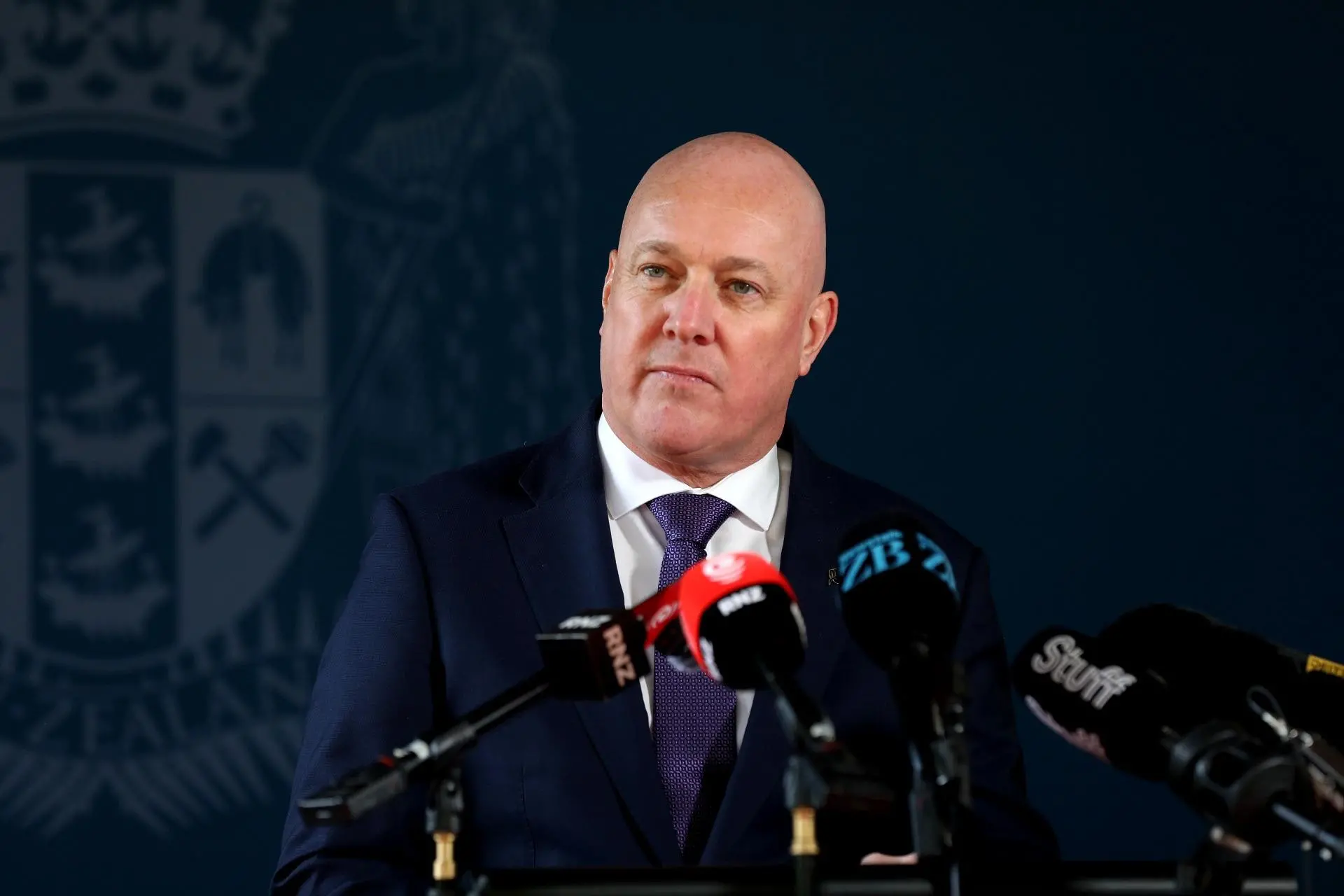
Public Service Minister Paul Goldsmith has criticised public servants planning to strike next week, saying the industrial action is part of a "broader political campaign" to change the government.
About 10,000 members of the Public Service Association (PSA) are set to strike on the afternoon of Wednesday, 9 September following prolonged pay negotiations.
Affected agencies included the Ministry of Social Development (MSD), the Department of Internal Affairs (DIA), the National Emergency Management Agency (NEMA), the Ministry of Business, Innovation and Employment (MBIE) and the Ministry for Ethnic Communities (MEC).
Speaking to reporters at Parliament on Tuesday, Goldsmith said the action looked politically motivated.
"They've got little pamphlets out there saying 'change the government'," he said. "The people of New Zealand will be inconvenienced out of what could be seen as a broader political campaign."
Goldsmith said public servants received "very significant" pay bumps under the Labour government and had continued to be offered modest increases.
"They've got a right to strike, but I think it's poor form."
Speaking separately, Prime Minister Christopher Luxon says he'd prefer the public servants to be "actually working" instead of striking.
"They should be at work or they should be around the table negotiating," he said. "But that's up to the agencies that deal with."
Need to see improved offer - union
In response, PSA national secretary Fleur Fitzsimons told RNZ employers needed to come back to the table with an improved offer.
She denied Goldsmith's claim that the strike was politically motivated and said ministers should focus on settling the dispute rather than attacking the union.
"Union members have endorsed the strike action because the offers in bargaining are not there. We need to see an improved offer from the employers, and the government should support them to do that.
"We need to see public servants getting pay increases that are consistent with the increased cost of living."
