
PHOTO
The government's proposed move-on orders look set to be watered down, with MPs recommending that 14 to 17 year olds be excluded, RNZ can reveal.
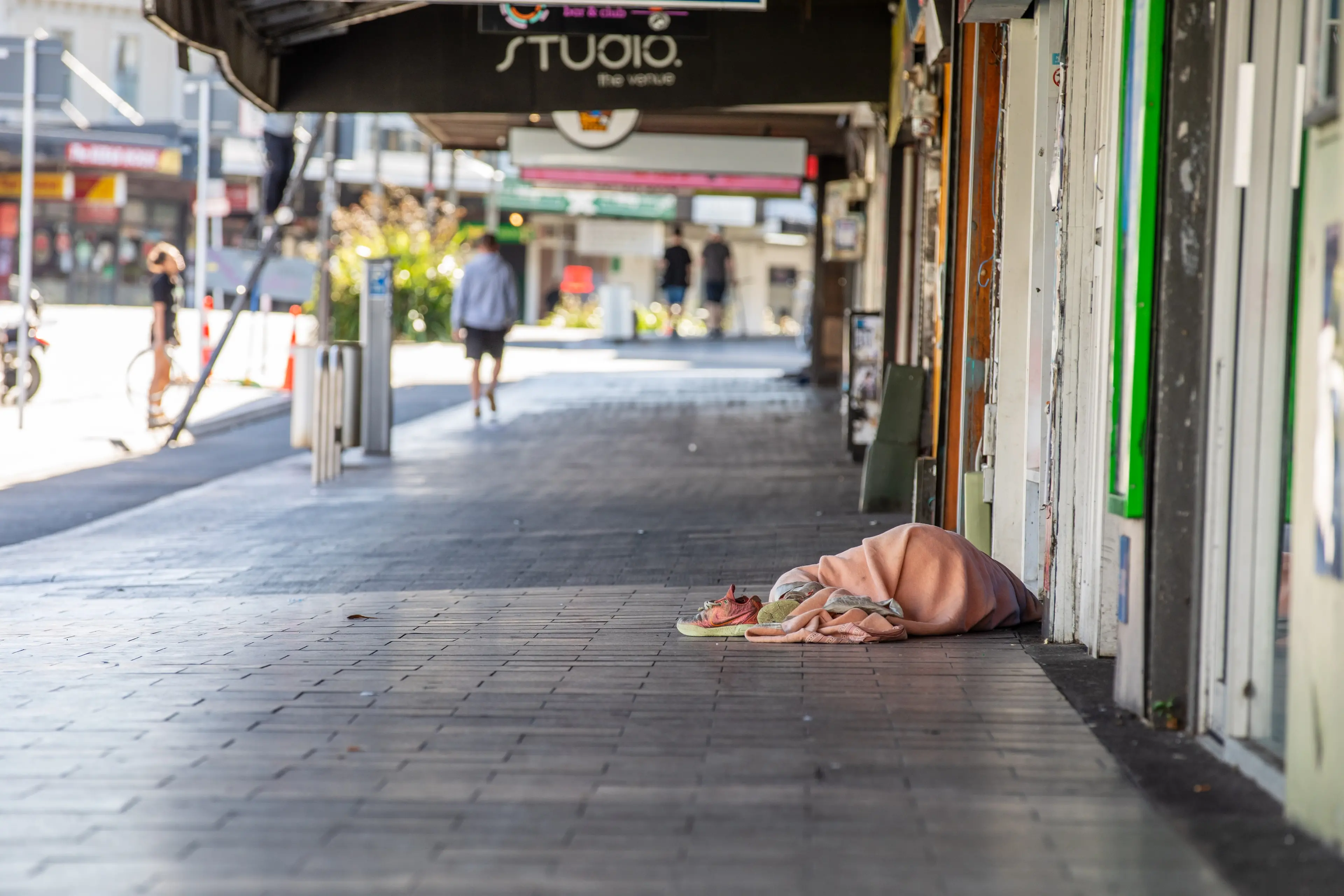
The legislation - as it was introduced to Parliament - would give police the power to order people as young as 14 to move elsewhere if they were being disorderly, begging or rough sleeping. If the order was refused, the person would face a fine or a possible jail sentence.
Parliament's Justice Select Committee - which includes MPs from most parties - has been considering the legislation for months, and heard from the likes of police, social service organisations and legal experts.
It is understood police raised concerns about children as young as 14 being covered by the proposed law.
The committee's report is due to be published on Thursday, but RNZ understands it will recommend that the age limit be lifted to 18.
The recommendation still requires sign-off by ministers, but government MPs hold the majority of seats on the committee, giving some indication of their view.
In response to questions from RNZ, Justice Minister Paul Goldsmith said he would not comment until the select committee reported back.
He said MPs had taken into account the many submissions and "wide variety of views".
Goldsmith acknowledged "some concerns [had been] raised" regarding the age of those covered, but maintained he was comfortable with the bill as it was introduced.
The legislation has been hugely contentious and faced significant opposition, with submitters on the Summary Offences (Move-on Orders) Amendment Bill calling it "morally indefensible", "unnecessary" and a "breach of the Bill of Rights".
The police union had serious concerns about the regime's practicality and effectiveness, including that applying it to those as young as 14 conflicted with youth justice principles which are focused on welfare and rehabilitation.
The former Children's Commissioner warned the move-on orders risked punishing children and young people for being homeless.
A former judge described the bill as "callous", with the inclusion of people as young as 14 being emblematic of that callousness.
Public health experts also said the move-on orders would "criminalise homelessness" among some of Aotearoa's most vulnerable young people, creating a new pathway into the criminal justice system for them.
Attorney-General Chris Bishop also found that removing rough sleepers and beggars did not appear to be justified, while opposition parties have slammed the proposed legislation.
Goldsmith told RNZ on Tuesday there were "a lot of people who do want to see us reclaiming our town's centres and main streets".
The government's rationale for introducing the law was to provide police "an extra tool" to deal with a "serious problem", said Goldsmith in May.
Town centres should be places where people wanted to visit and felt safe doing so, he said.
