
PHOTO
Legal controls restricting the movement of produce are now in place in Auckland's Mount Roskill, affecting more than 8500 properties.
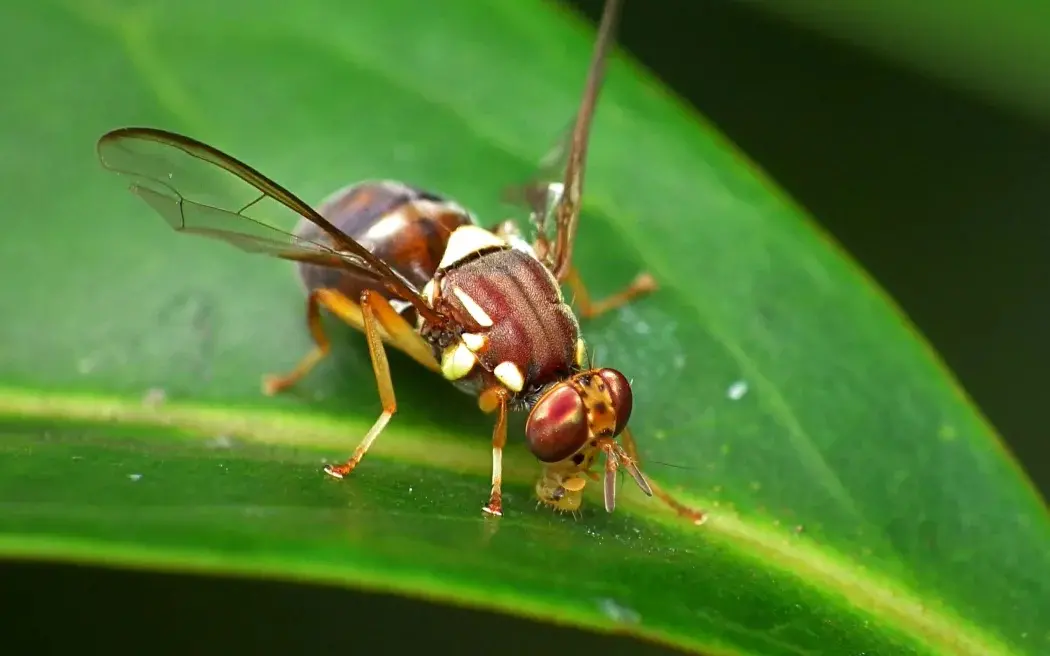
A biosecurity response is under way after a single male Queensland fruit fly was found on Wednesday morning.
The pest, which damages a wide variety of fruit and vegetable crops overseas, was identified in one of Biosecurity New Zealand's national surveillance traps, placed in fruit trees in residential backyards.
Biosecurity Commissioner Mike Ingliss said they had established a controlled area surrounding where the fruit fly was found, which had been divided into two zones.
In Zone A, including 262 properties, no whole fresh fruit and vegetables, except for leafy vegetables and soil-free root vegetables, could be taken outside the zone.
In Zone B, including 8300 properties, fruit and vegetables grown in the area cannot be taken out of the zone.
He said residents would also soon be advised of the location of disposal bins for food and garden waste.
"Those in Zone A need to make sure they don't compost fruit and vegetables. Either dispose of it in a waste disposal unit or in the bins provided by us, which will be delivered shortly.
"In both zones, homegrown produce waste and garden waste need to be disposed of in the biosecurity bins. As we've done in previously successful eradication events, we'll make sure that the message is crystal clear.
"Staff have also been visiting high-risk sites, whether that's supermarkets or fresh produce shops, to make sure that this fruit fly is not established."
Ingliss said the restrictions would likely be in place for at least one month.
"We know it's a major commitment, and it's an inconvenience for residents, so we really appreciate everyone getting involved. It's essential to make sure we eradicate this pest."
He said they were putting up signs notifying people of the restrictions and to mark the controlled area boundaries.
He said staff had also been door-knocking residents' homes on Thursday.
Biosecurity also planned to lay 400 additional traps within a 1500 metre radius.
