
PHOTO
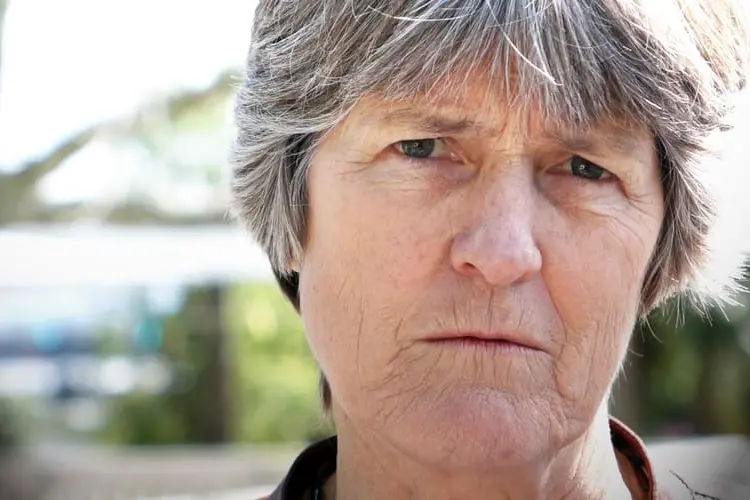
A retired paediatrician says changes to government policy can reverse the growing number of children in poverty.
Child Poverty Action Group has released a manifesto calling for cross-party support to reduce the number of children living in material hardship.
StatsNZ figures show the number of children in material hardship rose by 47,500 between 2022 and 2025.
The manifesto's lead author, Emeritus Professor Innes Asher, said most political parties agreed in 2018 to halve the number of children in poverty by 2028, but "instead it's gone up".
"They've been pulled down into material hardship at a very time that we had a pact in 2018, the Child Poverty Reduction Act, when we all agreed that it should be halved by 2028 to 6%, and it's gone up now to 14%."
That meant one in seven children were living in poverty, she said, but the impact was more pronounced for some groups, with one in four tamariki Māori, one in three Pacific children, and one in four disabled children living in material hardship.
The Child Poverty Action Group said poverty persisted because of failures in the labour market, housing, health and disability, education, welfare and tax settings.
It said these were down to political choices and all parties needed to be held accountable.
The group's manifesto laid out "practical" policy changes it wanted all political parties to take up, Asher said.
The policy change that would bring the fastest and greatest change would be to replace Working For Families with one simple child tax credit that reached all children in low- and middle-income families, and didn't hinge on their parents' benefit status, she said.
The Court of Appeal found in 2013 that the current In Work Tax Credit discriminated against children of parents on benefits and caused material harm to families, she said.
"Yet there's been no government that's had the courage to change it. It doesn't require courage, it requires sense to change it."
The manifesto showed child poverty was estimated to cost New Zealand between $13.5 and $18 billion a year in avoidable demands on health, education, social support, and justice.
It said there was a reduction in child proverty rates between 2019 and 2022 - after the Child Poverty Reduction Act became law.
Asher said at the time there was a families package, the best start policy, and benefits were fully indexed.
"So those are the things that helped and those things have been taken away or reduced.
"We know that government policies have driven this child poverty crisis and therefore government policy changes can turn it round," she said.
"We're wanting cross-party support for this manifesto as a pathway for a better future for our country."
The manifesto said nearly 170,000 children were living in material hardship at June 2025, and more than 350,000 children were in financially insecure households.
'We can't afford not to do it'
CPAG chief executive Lyn Amos told Morning Report the country had gone in the wrong direction when it came to reducing child poverty.
"Not well at all. The goal [in] 2028 is 6% living in material hardship, well we have been going in the wrong direction...we're absolutely going back wards"
She referenced decisions made in the 1991 budget which Amos said resulted in child poverty doubling.
"That's from state housing being sold off, benefits being slashed, wages being suppressed... so once again, we can use policy to, um, to find the solutions."
Amos said the group challenged all political parties to commit to the solutions outlined in the manifesto.
She said this also included actions such as raising minimum wage, building social housing, free GP visits up to the age of 18 and during pregnancy, increasing the child disability allowances and fees free early childhood education centres.
"It's costing New Zealand up to $18 billion a year, the current situation...so we can't afford not to do it."
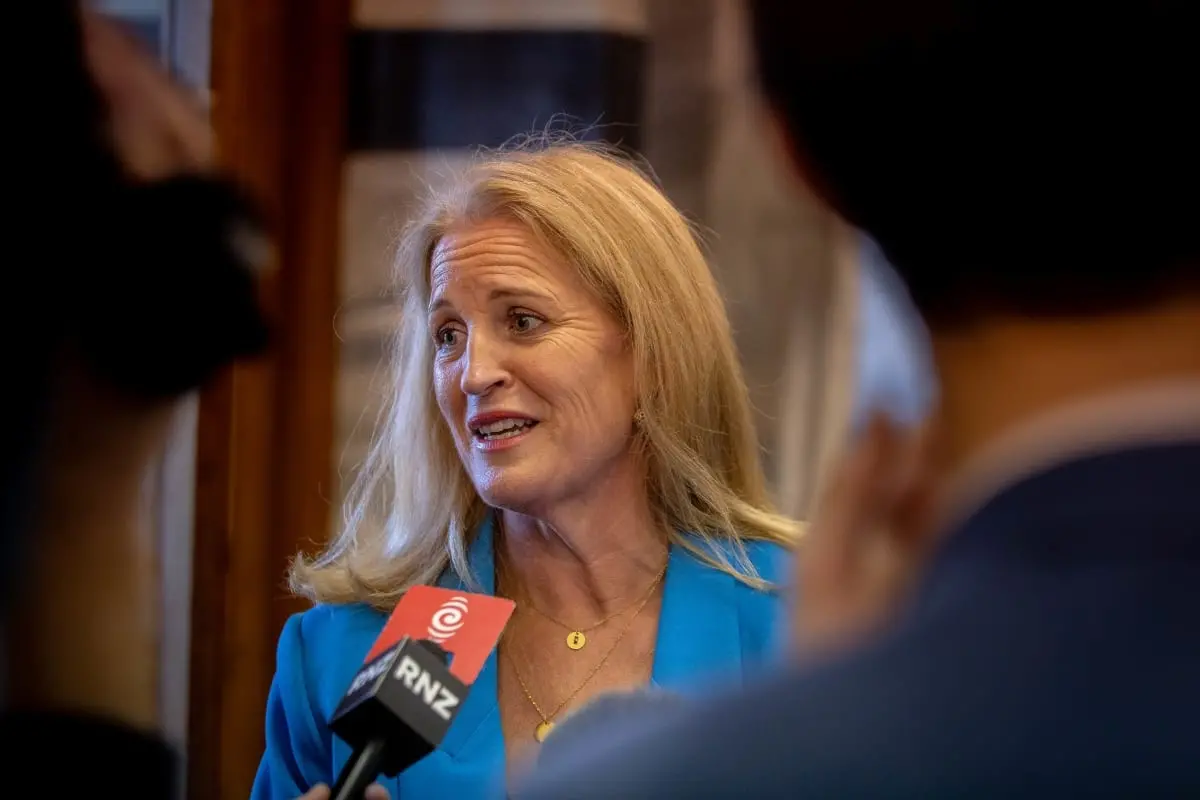
In a statement, Minister for Child Poverty Reduction Louise Upston acknowledged the report "which again reflects the challenges successive governments have faced in the ongoing effort to reduce child material hardship".
Upston said there had been no statistically significant change but more work needed to be done.
"Through Budget 2026 and other initiatives, our government is actively working to reduce child poverty and material hardship by changing the circumstances which trap people in poverty, and to address the long-term drivers of child poverty.
"One of the things that drives child poverty is living in a benefit-dependent home. That's why the Budget 2026 welfare package was designed to help support parents on a benefit into work.
"Our investment in funding for new social houses, funding to keep families from needing emergency housing, greater employment support for sole parents, and ongoing funding for community food support - including kids' breakfasts - will all contribute to reducing material hardship for families."
