
PHOTO
Two New Zealand psychiatrists have been approved by MedSafe to prescribe and administer MDMA for the treatment of post-traumatic stress disorder.
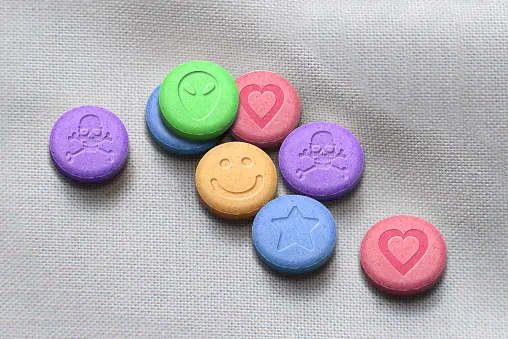
MDMA is a synthetic psychoactive drug used recreationally, often called 'ecstasy', 'E' or 'molly'.
It is the first time Medsafe has granted approvals for this type of therapy.
Until now, MDMA-assisted therapy for PTSD has not been available as a treatment option in New Zealand. Australia became the first country to allow authorised psychiatrists to prescribe MDMA for PTSD in July 2023.
The two psychiatrists with approval are Wellington's Dr Gary Wynn and Auckland's Dr Tom Paterson. The pair spent more than a year working through the regulatory process, they said in a statement.
Wynn specialises in PTSD and trauma, and Paterson in addiction.
Each round of treatment was expected to cost about $15,000. A standard course would be three rounds, totalling 54 hours of therapy.
No public funding has yet been allocated.
Associate Health Minister David Seymour said MDMA "can be very effective at treating [PTSD] through psychedelic-assisted therapy".
"Recent changes have put New Zealand's settings in line with Australia, where authorised prescribers have been providing MDMA-assisted psychotherapy for PTSD in clinical settings for some time.
"MDMA remains an unapproved medicine, but two experienced psychiatrists have already been granted authority to prescribe it to patients with PTSD.
"This is very good news for their patients, who will have been suffering for some time."
He said there would be safeguards in place to ensure it was prescribed safely.
"Treatment with MDMA occurs as part of a comprehensive treatment plan and occurs in the prescriber's clinic. Patients don't get dispensed MDMA to take home.
"Practitioners must also meet a series of requirements to gain approval, including demonstrating expertise in the area and providing a detailed proposal of how they will administer the treatment."
A trial completed in 2023 found MDMA-assisted therapy significantly reduced symptoms in people with moderate to severe PTSD, compared to those who received a placebo. There were no serious adverse effects or deaths in the 104 patients who took part.