
PHOTO
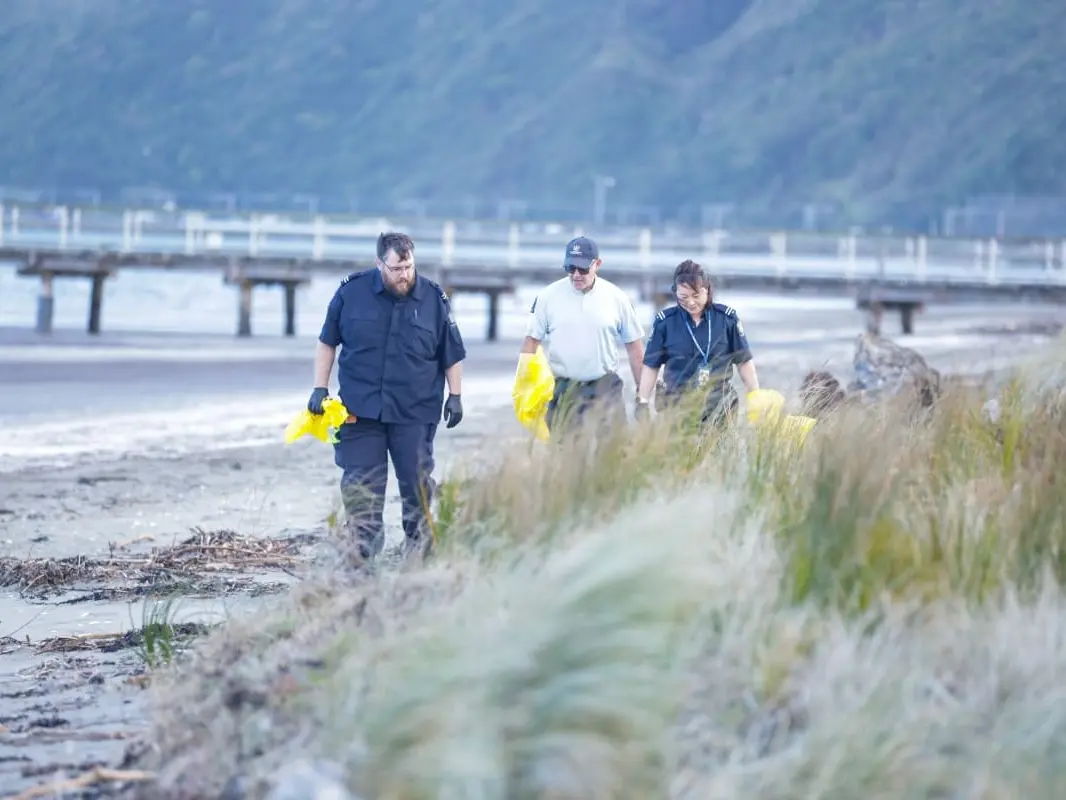
A second bird found in the Wairarapa has been confirmed to have H5 bird flu.
Biosecurity Minister Andrew Hoggard says it's disappointing but not unexpected, following the confirmation earlier this week of a first case found at Petone Beach, near Wellington.
The native kāhu, or swamp harrier hawk, could have been infected by "hunting, eating or scavenging infected birds", said Hoggard.
On Wednesday, H5N1 bird flu was first detected in an ocean-going seabird - a brown skua. It returned a positive test after it was found on Petone Beach in Wellington by a member of the public.
Biosecurity Minister Andrew Hoggard said New Zealand was well prepared to respond, and government agencies had been working with industry and councils to protect poultry production, wildlife and communities.
After announcing the first case, the minister said there would "undoubtedly" be more cases showing up on the shorelines.
The strain is likely to become endemic in New Zealand and could happen within a matter of months, MPI's chief veterinary officer says.
The H5 bird flu strain has been circulating globally, with more than a dozen cases reported in Australia since it was detected there last month.
Prior to the detection of the first case, the Department of Conservation had already started vaccinating core breeding populations of kākāpō, takahē, tchūriwat'/tūturuatu/shore plover, kakī/black stilt, and kākāriki karaka/orange-fronted parakeet, in an effort to protect some of the most endangered species from bird flu.
Otago University evolutionary biologist Jemma Geoghegan told Morning Report the newly arrived strain could be "catastrophic" for our native wildlife.
What to do if you see sick birds
Biosecurity Minister Andrew Hoggard earlier said birds behaving strangely, or a number of birds who had died together, would be the main signs to watch out for.
"Take photos, get a GPS spot if you can, send it through to us, that's the information we need. Obviously don't go and pick it up yourself. Let us know and we'll send the right people around to do it.
"If you are a poultry farmer and you have concerns, obviously talk to your vet and they'll talk to us. Even if you've just got a few chickens in the back yard and you're concerned, talk to your vet."
Officials said anyone who sees three or more sick or dead wild birds in a group should report it immediately to the exotic pest and disease hotline on 0800 80 99 66.
This story was first published on rnz.co.nz |  |