
PHOTO
Peace is a topic that is often downplayed and even misrepresented and yet it is pivotal to creating a better world for New Zealanders and citizens everywhere on our planet.
In 2026, there are more 20 wars raging around the world. The majority of these are intra-state or civil wars whilst the remainder are inter-state in nature.
Do we surmise that war is inevitable and that a turbulent world is a permanent fixture?
In his 1959 book, Man, the State and War, realist scholar Kenneth Waltz, drew on the work of philosopher, Jean-Jacques Rousseau, to argue that wars occur because there is nothing to prevent them.
This view continues to be widely shared by a significant number of academics, diplomats and commentators in the 21st century.
However, there are solid grounds for questioning such a fatalistic perspective in the 21st century.
For one thing, while geopolitical competition between great powers shows no signs of abating it is occurring within an international environment subject to deepening globalisation — defined here as the intensification of technologically driven links between societies, institutions, cultures, and individuals on a worldwide basis — and the proliferation of trans boundary challenges, which do not respect borders.
Furthermore, as the world becomes ever more interconnected through technology, some of the most vital problems facing all states such as climate change, pandemics, transnational terrorism and fragile global supply chains cannot be resolved unilaterally by states and require international co-ordination and, in many cases, institutions that can co-ordinate and implement policy responses.
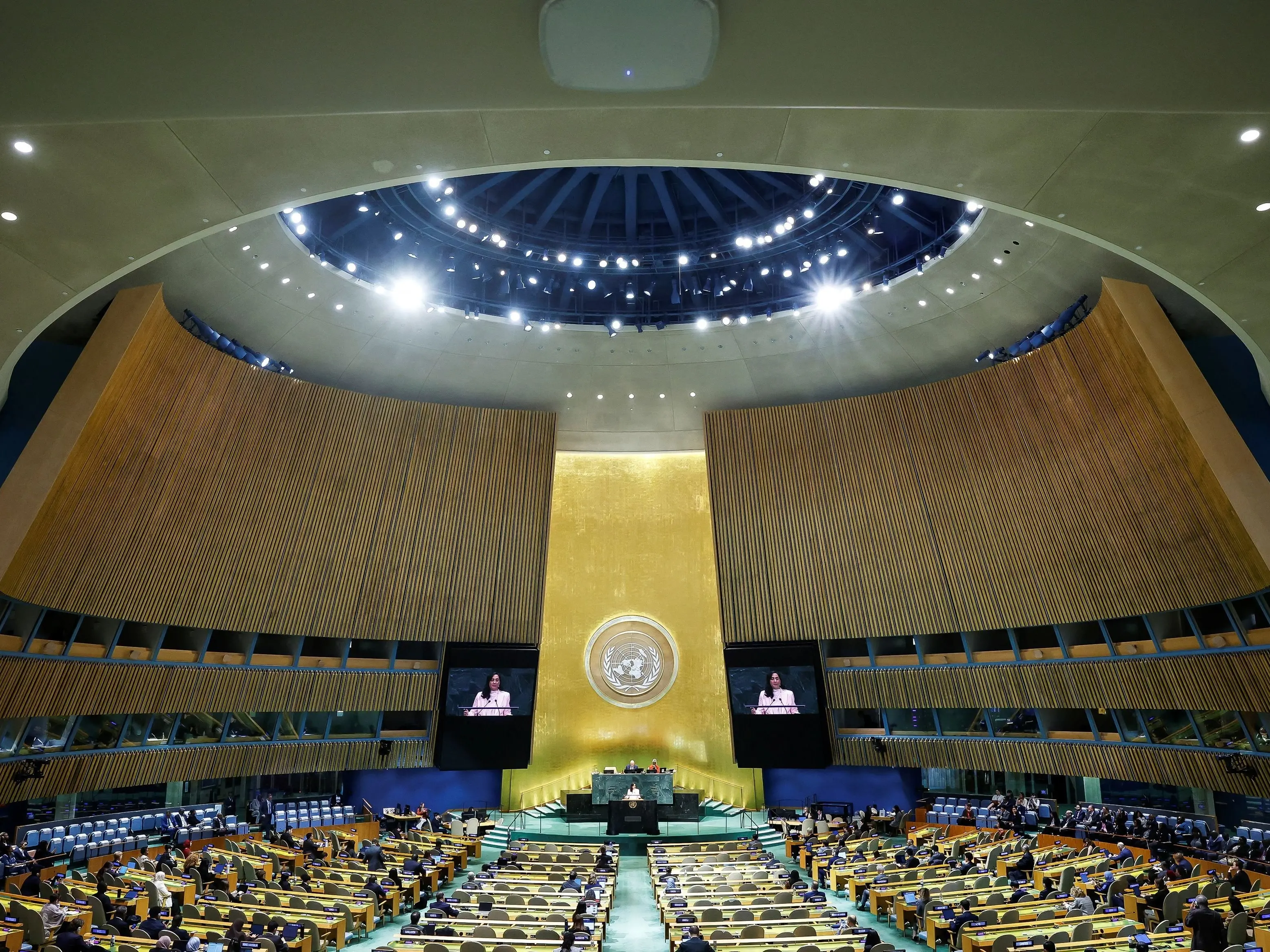
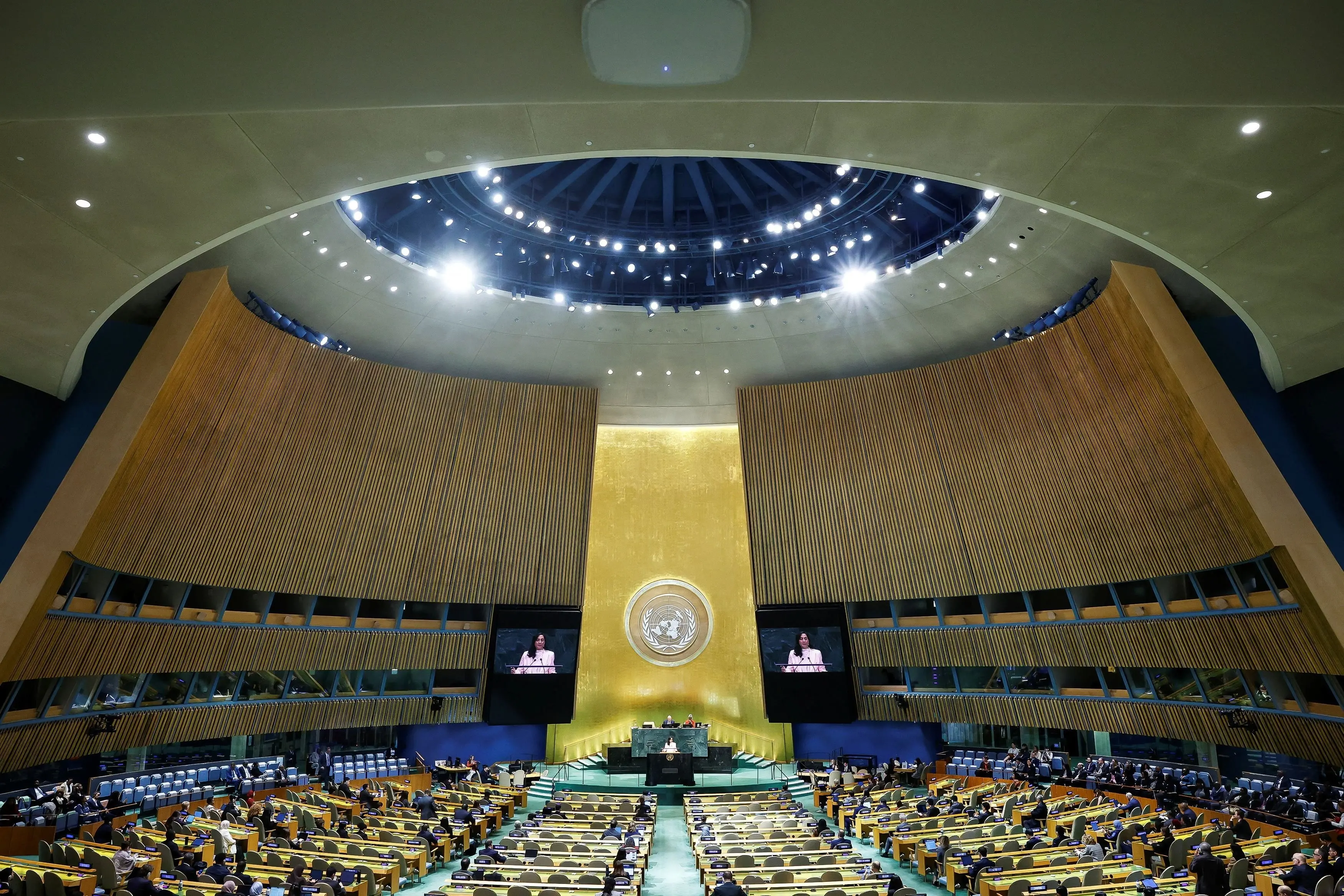
Rather than resign ourselves to the prospect of perpetual global turbulence, it is important to ask why a key institution, the UN Security Council — that has formal responsibility for maintaining global peace and security — so often fails to do so.
In the period since 9/11, the Security Council, has been repeatedly paralysed by the willingness of permanent members states such as the US, Russia and China to act unilaterally to protect their perceived national interests.
The possession of the veto has enabled P-5 states, particularly the US, Russia and China, to block or threaten to block any UNSC resolutions that are not seen to advance their national interests.
The veto privilege means in effect that P-5 members can act in the international arena with a sense of impunity and are largely unaccountable for the global turbulence that results.
The post 9/11 era is, in many ways, a story of how veto-wielding P-5 members have destabilised global security. There are many examples of this.
In March 2003, the Bush administration bypassed the UNSC and launched an illegal invasion and occupation of Iraq.
In 2011-12, Russia and China used the veto three times to thwart UNSC resolutions to end the Syrian civil war and enabled the Assad dictatorship to prolong a conflict that has subsequently killed more than 400,000 Syrians.
In late February 2022, Russia vetoed a UN Security Council resolution that demanded Moscow immediately end its invasion of Ukraine.
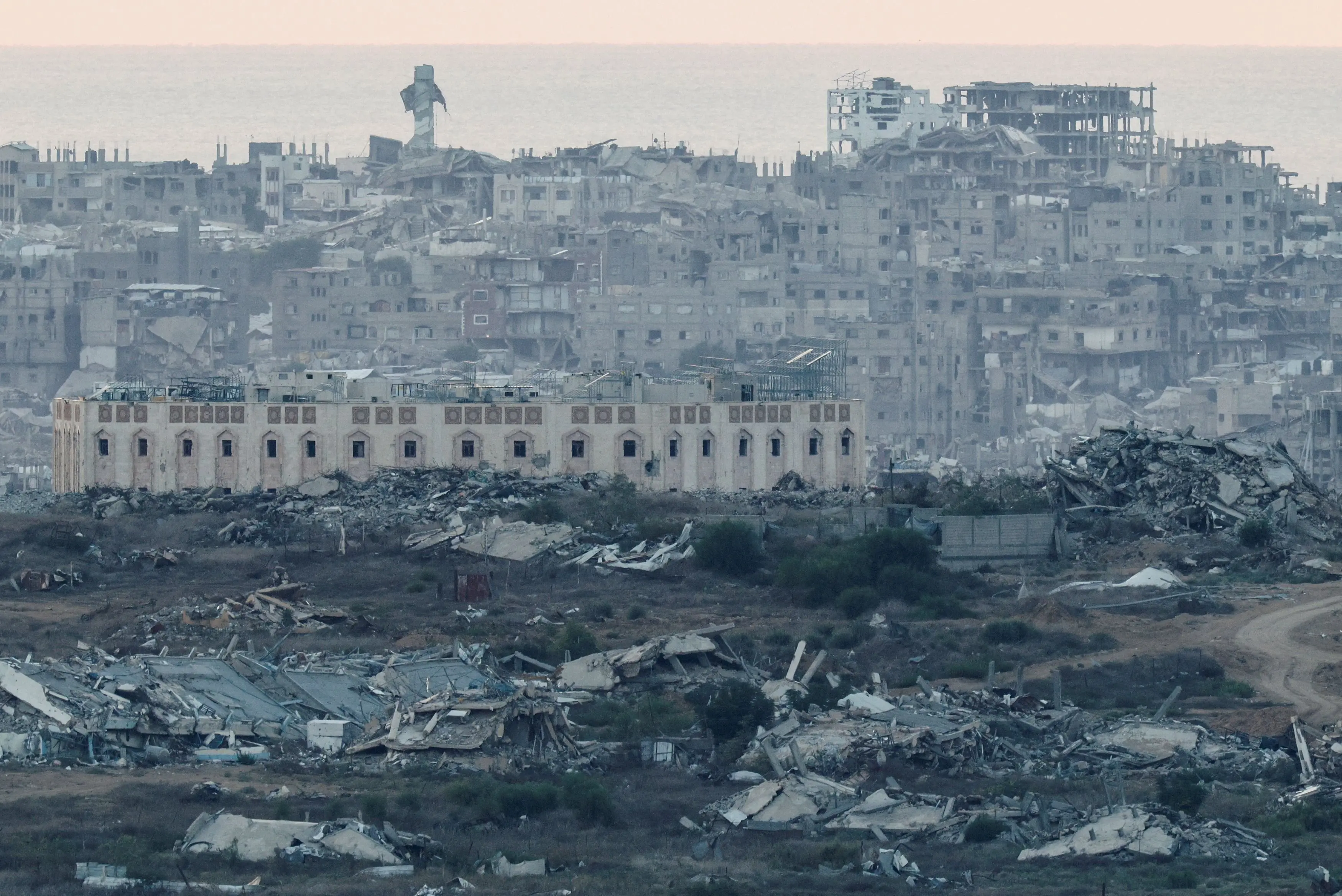
However, the recent Gaza crisis provides perhaps the starkest illustration of the UNSC’s impotence.
After Hamas, the de-facto ruling authority in the Gaza Strip, on October 7 2023, launched a horrific terrorist attack in Israel killing 1195 people and seizing 251 hostages, the Netanyahu government responded with a campaign of “mighty vengeance”.
During the next two years, the Biden and Trump administrations provided $US21.7 billion in military aid to Israel to facilitate a relentless ground and air offensive in the densely populated Gaza area.
In addition, the US provided diplomatic cover for Israel in the UN by using its veto power six times to block resolutions demanding ceasefires in Gaza and in effect perpetuated the conflict.
More than 70,000 Palestinians were killed in this period and close to 80% of these deaths were civilians while about 92% residential buildings in Gaza were destroyed.
However, Trump’s Gaza peace plan of October 2025 has proven to be no more than a band-aid solution with over 1400 Palestinians killed in Gaza by Israel since the “ceasefire” was signed.
The Gaza precedent of unlawful destruction further emboldened the Trump administration and Israel.
In January 2026, the Trump administration abducted the President Nicolás Maduro of Venezuela, and a month later President Trump and Israel launched a premediated and reckless war against the clerical regime in Iran.
It is clear 81 years after the veto mechanism was introduced to keep great powers in the UN and encourage them to help solve the world’s problems that this expectation can no longer be met.
As we have seen in Gaza and elsewhere during the post-Cold War era, the veto privileges of P-5 members mask the reduced autonomy of great powers in the 21st century and actively encourages miscalculation by their decision-makers.
While the power of the veto enabled Washington to stubbornly resist repeated international demands for a ceasefire in Gaza, it did not mean, as we have seen, the US could impose a durable peace settlement of its own in the region.
By using its veto power to give Netanyahu a free hand, the US has found itself complicit in the destruction of Gaza – but not Hamas – and this has created an outcome in which hatred and extremism will flourish in the region and beyond, trends which are unlikely to improve the security of either the US or Israel.
Gaza shows us why the veto is fuelling global instability.
Without curtailing the use of the veto in the UNSC or significantly increasing the power of the UN General Assembly, it is difficult to envisage any real expansion of peace in the world.
The five permanent members of the Security Council will obviously be reluctant to lose their veto privileges but they have yet to face concerted pressure from the rest of the UN member states to do so.
With the advent of the second Trump administration, a new fault line in global politics has appeared between the cartel of veto-wielding permanent members of the UNSC that have only a limited commitment to an international rules-based order and the majority of middle and small powers that are heavily reliant on that order to navigate the world.
But as the Canadian Prime Minister, Mark Carney, made clear in his speech at the World Economic Forum in Davos earlier this year, middle powers — and by extension small states — are not “powerless” in this changing global context.
In particular, there is now an opportunity to forge a new constellation of middle and small powers that actually wish to strengthen an international rules-based order, starting with reform of the UN Security Council as a top priority.
One possibility would be a new procedural initiative, which would involve an amendment to the UN Charter whereby General Assembly resolutions with two-thirds support or more become binding and overrule any veto by the UN Security Council.
This rule-change would not be a magical cure for eliminating conflict, but it could end the current farcical situation whereby one or several permanent members can support and sustain wars which the vast majority of countries in the world strongly oppose.
Such a reform could strengthen the UNSC as a more reliable barrier against war and thus constitute a practical step forward in the important quest for a less turbulent world.
- Robert G Patman is an Inaugural Sesquicentennial Distinguished Chair and a specialist in international relations at the University of Otago.