
PHOTO
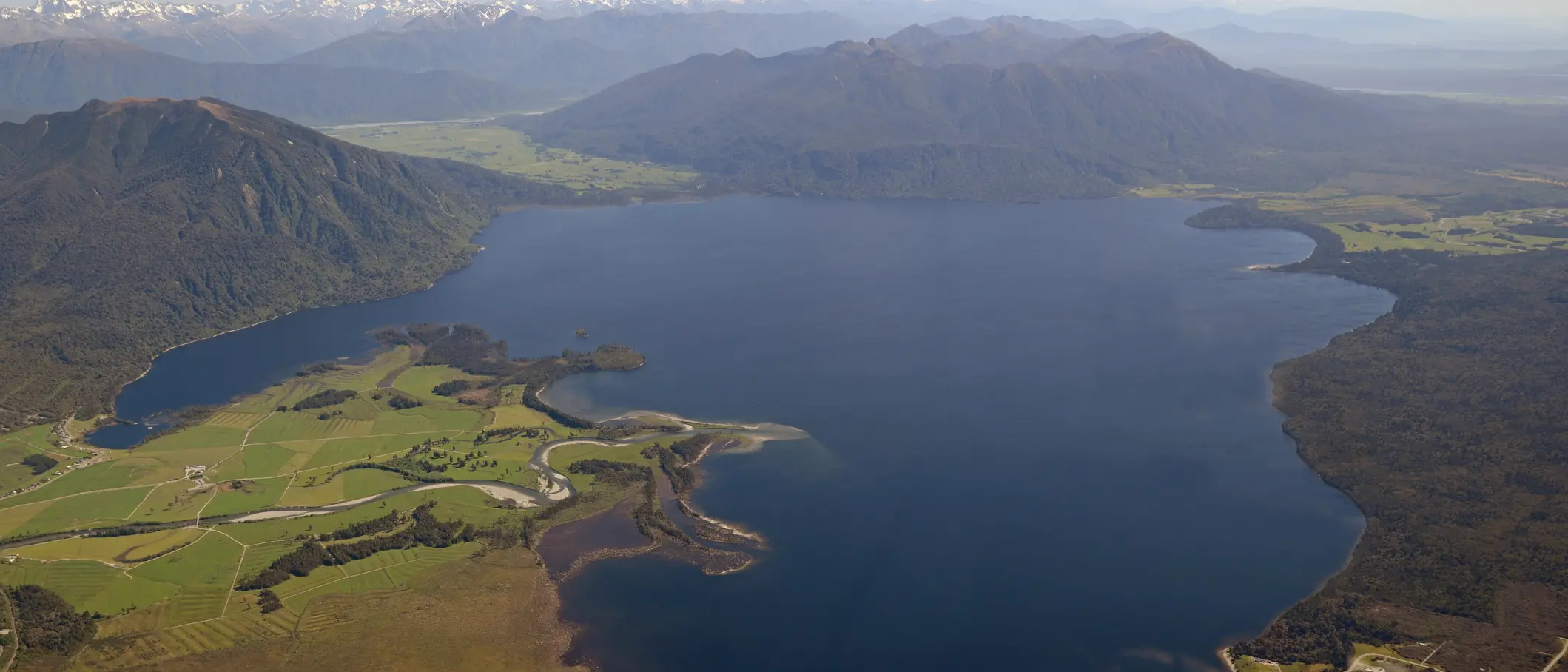
A $15.7 million project to eradicate pests from Mt Te Kinga at Lake Brunner - launched with fanfare by the Labour Government three years ago - has not progressed as first envisaged but it remains on the radar, the West Coast Regional Council says.
The council last week updated Lake Brunner residents on the Te Kinga Predator-Free Project, which was launched by former Conservation Minister Eugenie Sage in May 2020.
"This is a legacy project designed to completely remove possums from the mixed podocarp forests of 3700ha Mt Te Kinga, and protect them from reinvasion," Ms Sage said at the launch.
Intended as a five-year project, it is the seventh-largest landscape predator control scheme to be co-funded by the government through Predator Free 2050.
However, by the end of 2020 hundreds of pest-detection cameras imported for the start of the project were found to be faulty and their replacement slowed progress, followed by the Covid pandemic.
The regional council’s VCS business group operations manager, Shanti Morgan, said this week the end goal remained the same — to make the Mt Te Kinga zone zero with linked zones surrounding that "land island" progressively controlled.
Ms Morgan said the initial buy-in by the community in 2020 had dissipated to some extent, due to Covid 19 and supply issues.
"It’s not a lack of want in the community. There’s just been a few hurdles in our way."
New initiatives now included engaging Lake Brunner School for a visit to the control area, and reinforcing community involvement in the project.
Ms Morgan said the Te Kinga project had recently started camera-based monitoring on the mountain to establish possum distribution and migration patterns, prior to using innovative pest control measures.
"Initially, we were just focusing on establishing information around the area."
On the basis of monitoring over a year the plan was to use a new type of "self-resetting" traps across the intended predator-free zone, depending on permission from the Department of Conservation.
The presence of kea in the area was not likely to be a limiting factor.

"It’s good news for us that we haven’t got any on the cameras, which means we can use those new resetting traps," Ms Morgan said.
The original goal not to rely on repeat aerial 1080 poison drops remained, she said.
When launched, the West Coast Regional Council-led project promised 12 new jobs in years 2 and 3 of the five-year project.
The aim was also to enable conservation trainees from Tai Poutini Polytechnic to work alongside predator-control contractors, farmers and community volunteers.
Eradicating possums along with stoats and rats from forest and wetland around Lake Brunner was intended to save threatened species in the area, including the roroa/great spotted kiwi, kea, kaka, whio, bittern, black-billed gull, kakariki/parakeet, rifleman and brown creeper.
- By Brendon McMahon