
PHOTO
A fast-track application to mine Denniston Plateau on the West Coast has been rejected as incomplete.
Bathurst Resources has been told that it can prepare and lodge a new application, but the current application does not comply with fast-track law.
RNZ has approached Bathurst for comment.
Forest and Bird, which had vigorously opposed the company's plans, said the decision was a win for now, but it expected Bathurst to try again.
The Environmental Protection Authority’s Fast-track team wrote to the company earlier this month asking for more information about how it would protect native wildlife in the area, including protected lizards and insects.
It has now informed Bathurst that the application still did not comply, despite further information that the company supplied on September 18.
It found that there was still information missing about how Bathurst would manage lizards, and had not provided written agreement from local authorities to go ahead.
Earlier this week, Forest and Bird said the application should be declined because of its shortcomings.
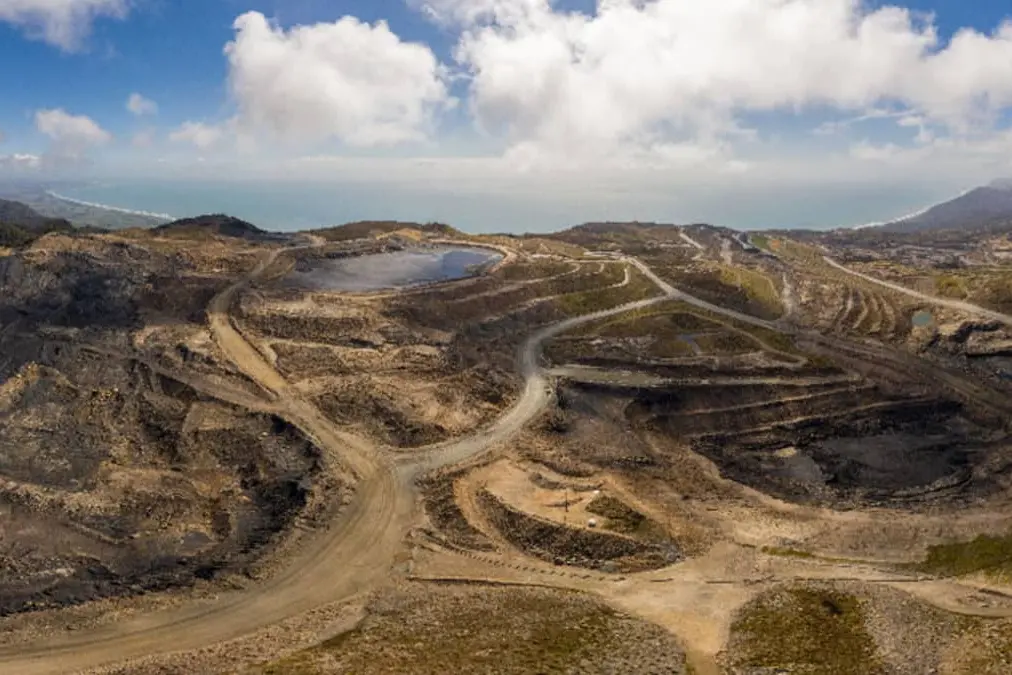
Bathurst wanted to extend its Stockton mine near Westport, which is New Zealand’s largest opencast mine, and expand its operations to the neighbouring Denniston.
It said its plans would let it extract 20 million tonnes of coal and extend the life of the mine by 25 years, including a decade of wind-down and decommissioning work.
The company said its West Coast operation employed 390 people, most of them in the Buller area.
Forest and Bird long opposed plans to mine the Denniston Plateau, saying it was vital conservation land that was home to great spotted kiwi, giant snails and unique lizards.
Regional conservation manager Scott Burnett said the application had only been assessed as incomplete on two points in the end, but the issue of how protected lizards would be managed was "really significant".
Bathurst had said in its application that it expected to salvage less than 1% of the lizards living in the mine's proposed footprint, whereas the Department of Conservation's best practice was to rescue at least 80% of them.
The plateau itself, which features unusual sandstone 'pavements' and wetlands, was "one of a kind", Burnett said.
"It can't just be dug up and put back again."
Forest and Bird was also worried about the damage that acid mine drainage would pose to Waimangaroa and Mangatini rivers, which were "currently pristine", Burnett said.
Despite the rejection, he did not think it would be the end of the matter.
"I think they will go back and look at their management proposal for lizards and how they will endeavour to improve upon that."
A new application would then start the full process again, he said.
350 Aotearoa campaigner Adam Currie said the decision was a "breath of relief for nature" but created uncertainty for the local workers and community.
"We cannot rely on shaky, boom and bust coal to deliver stable employment for the West Coast. We need a government who will meaningfully invest in delivering long-term, clean jobs that locals can rely on for decades to come."
The decision was "no surprise", Currie said.
Bathurst had spent over a year delaying lodging the application and it was still "riddled with holes".
Information provided to RNZ earlier this month under the Official Information Act showed the Department of Conservation invoiced Bathurst for $660,000 between January and June for pre-lodgement consultation work its staff helped the company with.
Staff spent nearly 3000 hours working on the pre-lodgement consultation over that time - the equivalent of three full-time staff over those six months.
A re-submitted application now faced the potential of being considered under a different, "less supportive" government, Currie said.
"This election will determine the future of Denniston."
