
PHOTO
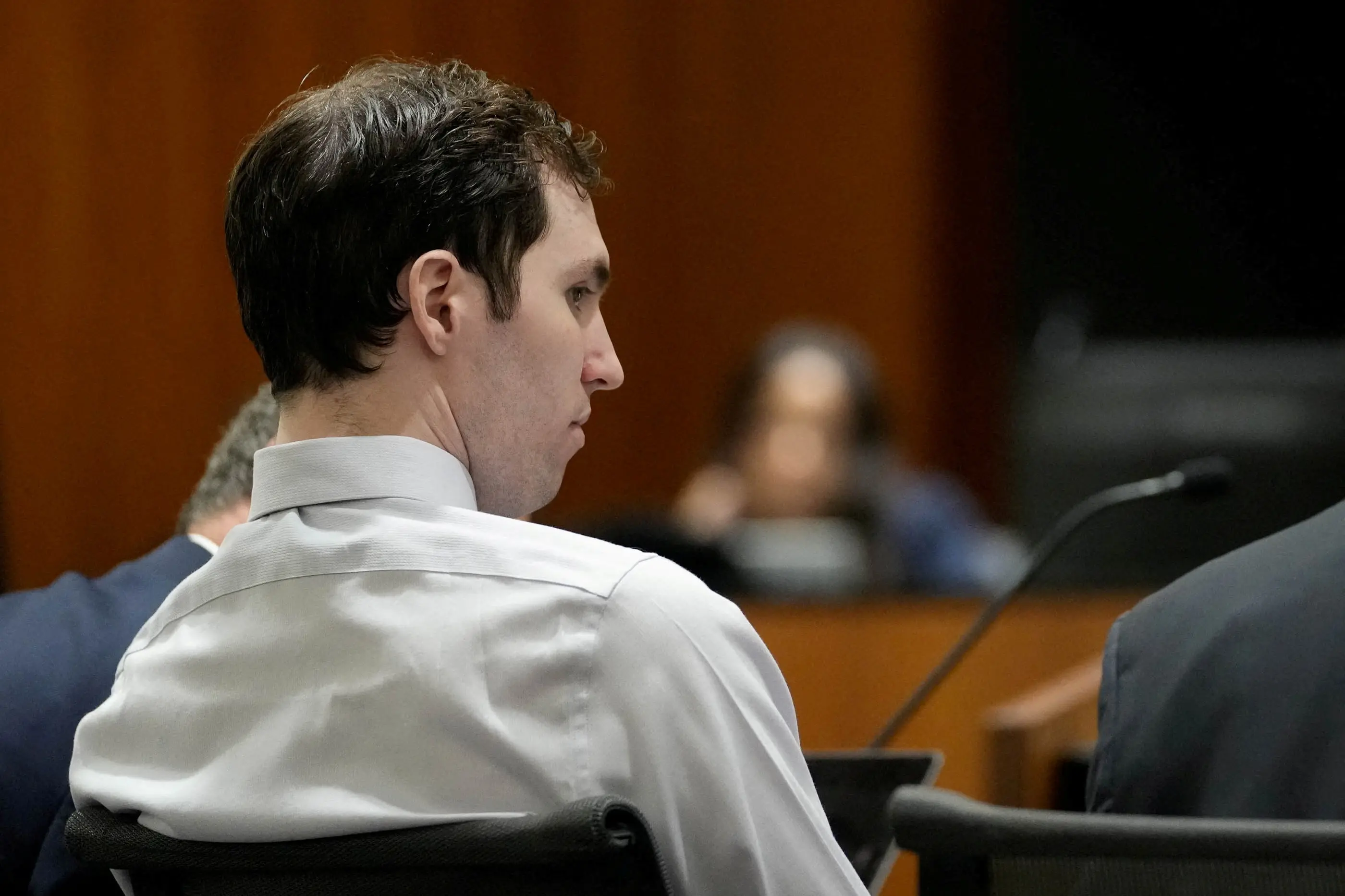
Tyler Robinson, the man accused of fatally shooting prominent US conservative activist Charlie Kirk on a Utah college campus last year, pleaded not guilty on Tuesday to a murder charge that a judge ruled could carry the death penalty.
Robinson's plea and the ruling by Utah District Court Judge Tony Graf came after prosecutors laid out what they called overwhelming evidence that a capital trial of Robinson, 23, was warranted for the murder of one of the US political right's most prominent figures. Defence lawyers had argued the shooting did not meet the standard for a death penalty charge.
Utah County attorneys accused the former apprentice electrician of firing the single shot that killed Kirk, 31, as he held one of his trademark campus debates that helped propel him to national prominence.
Graf ruled that Robinson should face trial on all seven charges against him, among them aggravated murder for endangering the lives of others at the event. That count carries the death penalty in Utah.
Kirk's killing, captured in cellphone video that spread widely on social media, is among a series of attacks on US political figures in recent years that have fuelled debate over political violence in a deeply polarised country.
Utah County prosecutor Ryan McBride presented video of what he said was Robinson taking up a sniper position at Utah Valley University in Orem on September 10, 2025, before he shot Kirk.
He displayed pictures that he said showed Robinson created a "great risk of death" to others, with Kirk's security detail only feet away from Kirk when he was shot.
McBride said the four rounds in Robinson's rifle demonstrated that the shooter was prepared to fire more rounds if the first missed, further endangering others.
"He lay down in a prone position, and he would have seen this mass of people, of 3,000-plus people there for the event, took aim, put his crosshairs on Charlie Kirk and fired," McBride told the court.
DNA EVIDENCE DISPUTED
Defence lawyer Staci Visser said the shooting endangered no one but Kirk, arguing that the crime did not meet the standard of aggravated murder.
Visser said the assailant did not engage with anyone else or reload the weapon, but simply shot the gun and ran away.
“There is one act. There is one shot. There is one bullet. There is one victim,” Visser told the court. “There was no evidence that would suggest that anyone else was threatened.”
During the hearing, the prosecutor cited test results that showed Robinson's DNA was on the alleged murder weapon. Defence lawyer Michael Burt questioned the reliability of that testing.
McBride alleged that Robinson, who was in a relationship with his then-boyfriend Lance Twiggs, targeted Kirk for his political views against gay marriage and transgender rights. That argument could bolster the prosecution as it pursues the death penalty.
He cited a text message from Robinson in which he allegedly told Twiggs he shot Kirk because "some hate can't be negotiated out."
Defence attorney Richard Novak said it was unclear what Robinson referred to by "hate" and the wording did not imply he opposed Kirk's political views.
Among those in the packed courtroom were Kirk's parents, Robert and Kathryn, and his wife, Erika, who has taken leadership of the late activist's conservative youth organisation.
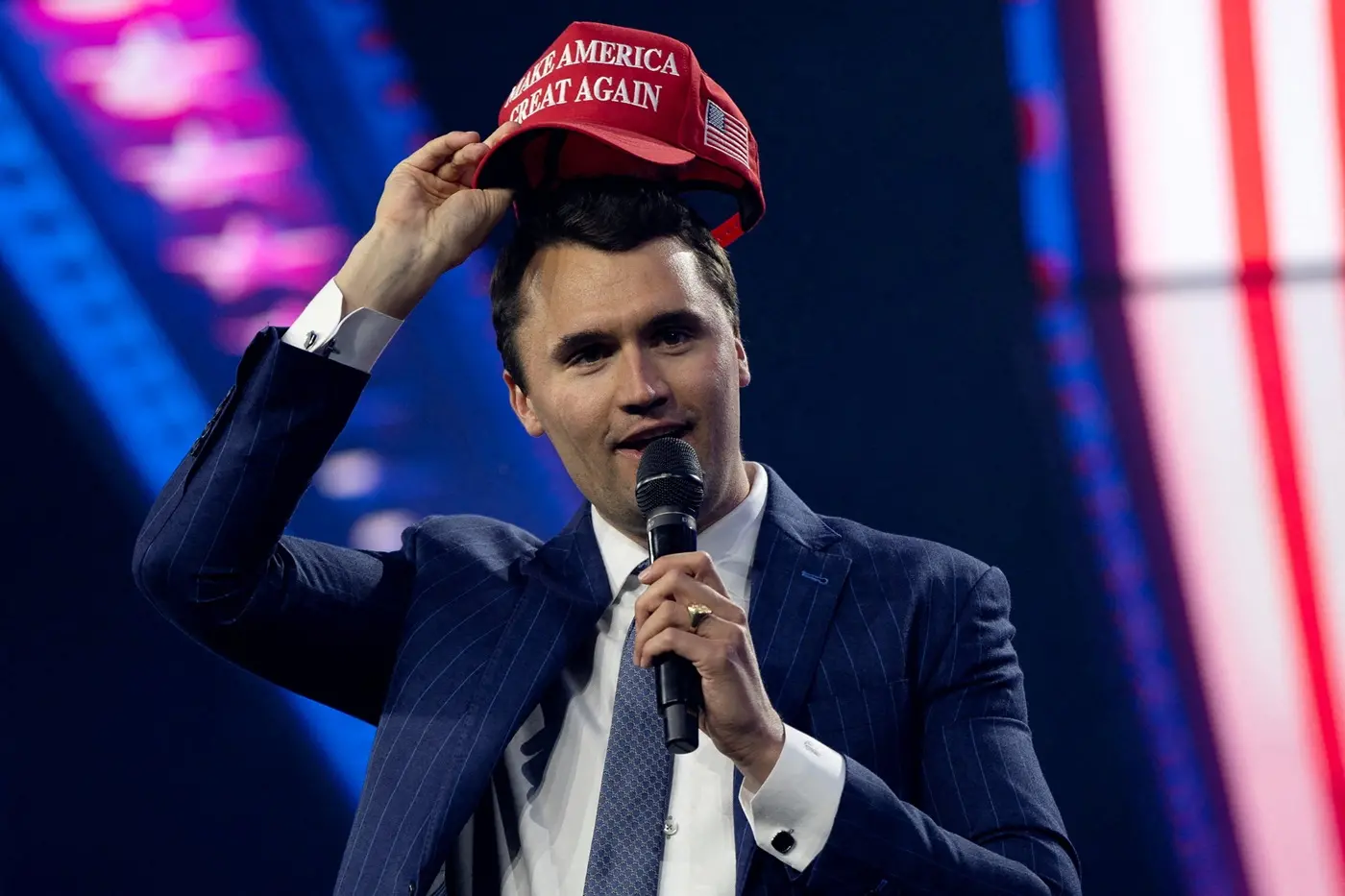
A co-founder of conservative youth organisation Turning Point USA, Kirk was credited with energising young voters behind President Donald Trump's 2024 reelection campaign.
At a memorial following Kirk's shooting, Erika Kirk said she forgave the alleged shooter. She has not commented on the death penalty charge.