

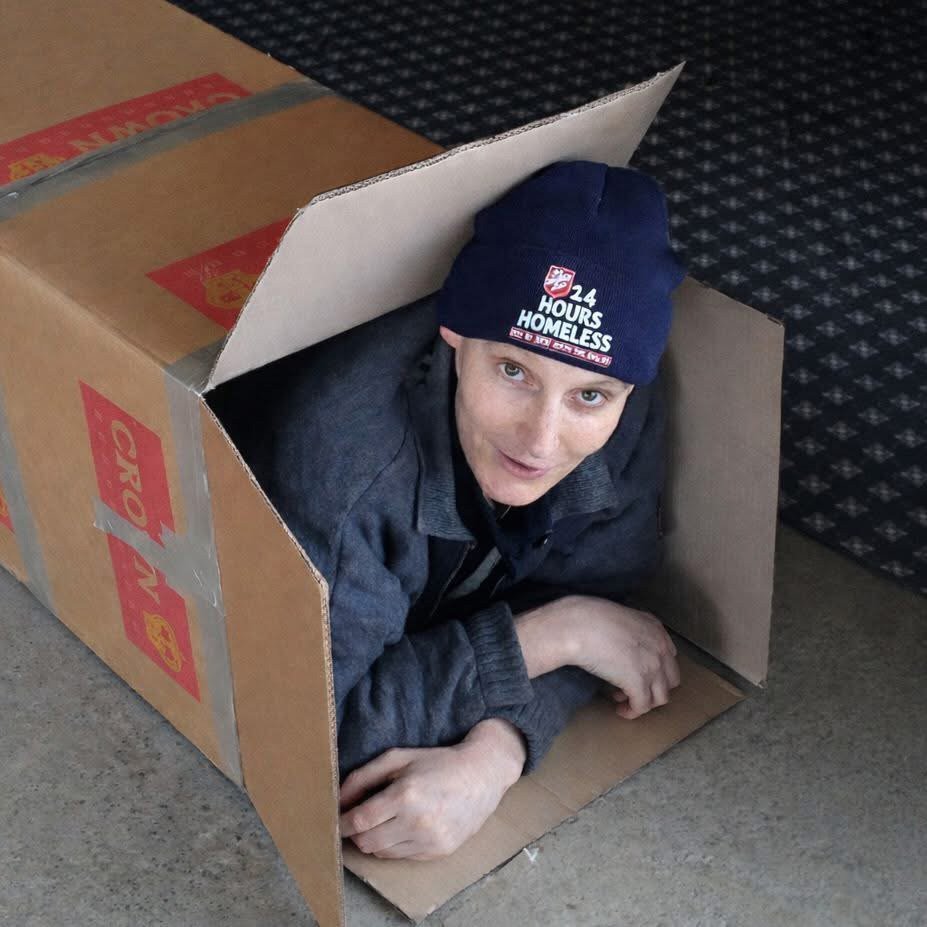
A complaint against a police detective involved in the investigation of the disappearance of Colin Heath led to the detective being directed to undergo diversity training.
Heath’s friends, who remain angry about Heath’s experience with police after their disappearance, believe if the case had been taken more seriously from the outset, their friend would have been found and laid to rest with dignity much sooner.
"All I ever wanted was for the police to see Col as a human being of worth, even in death," close friend Archie Bailey said this week.
Heath’s remains are believed to be those discovered in a ditch on the side of a Waikato highway last Friday, four years after the former Dunedin and Southland resident went missing.
The 46-year-old’s friends have been critical of the police investigation into the disappearance and believe it was not given the urgency or resources it should have been at the time.
Police are saying little about the case while it is before the coroner, but reviews in 2022-23 found no misconduct on behalf of police or the officer.
Heath, who identified as non-binary and went by the pronouns they/them, was last seen in Te Kuiti on March 19, 2022.
Heath’s friends’ problems with the investigation go right back to its start.
Bailey and Heath’s brother, Doug Heath, were interviewed in Southland in June 2022, after which Bailey lodged complaints with police and the Independent Police Conduct Authority about the conduct of the investigating officer, Detective Don Ward.
Det Ward asked very personal and unnecessary questions; made offensive and discriminatory comments; took too long to produce a formal statement, which then did not accurately reflect the interview and had errors; and misgendered both Bailey and Heath, Bailey’s complaint said.

"This was crucial background in this case, and that we both used them/their pronouns."
Questions continued of a particularly personal nature, which Bailey felt were irrelevant and were being asked "to satisfy [Det Ward’s] own curiosity".
"The detective then said things such as: ‘Did he have boobs? Did he like to put on a dress and go out and try to get attention?’ and twice said ‘I mean, he’s nuts’.
"Now I am tolerant and forgive ignorance and learning, but not discrimination and mockery.
"These concepts were impossible for [Det] Ward to understand," the complaint said.
The formal statement did not arrive until August and Bailey felt it was too short and did not adequately reflect the interview. It also contained multiple incorrect facts.
"Six weeks of lost time, for that. I was horrified, appalled and deeply distressed. Col is my best friend. Doug’s brother. Col’s dad is beside himself too. We all are. We have done our utmost to help police — and Mr Ward treats this case like a last-priority laugh to muck up, and who cares — the ‘guy’ is a whacko anyway, right?", the complaint said.
Bailey also sent the recording of the interview to police in Waikato.
Southland police head of professional conduct Detective Senior Sergeant Greg Baird wrote to Bailey in May 2023 admitting there had been misgendering and a lack of understanding of gender terminology during the investigation.
He apologised for the distress caused and said the issue had been addressed with the officer and followed up with additional training, noting it was "never the intent of the investigating officer to offend or cause any distress".
In July 2023, the IPCA wrote to Bailey to say its review of the matter found there was no misconduct by police or the officer, though it acknowledged Det Ward’s questioning was personal and at times poorly worded but necessary for the investigation and not intended to offend.
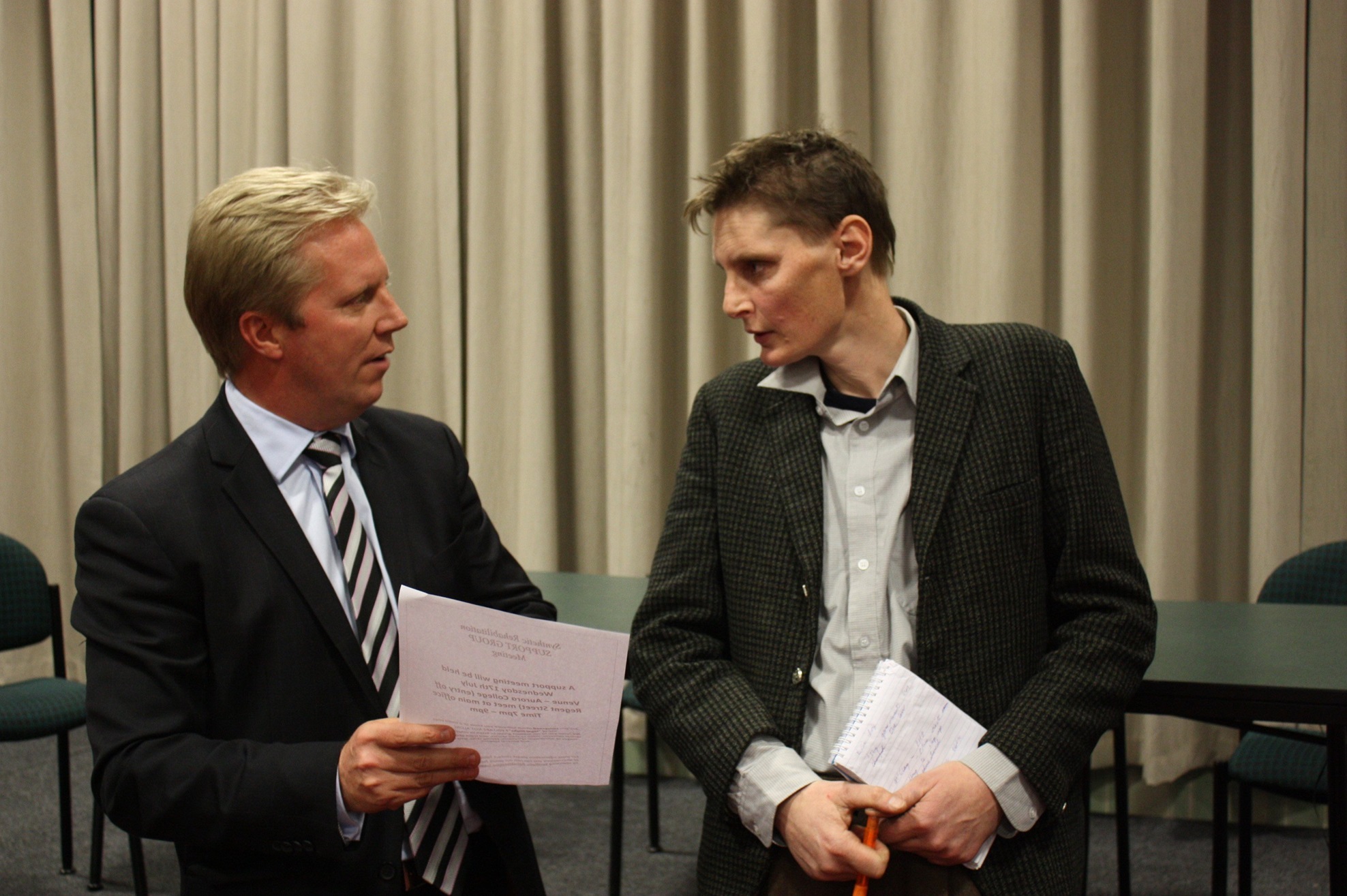
Ultimately, neither police nor the IPCA found any misconduct or neglect of duty by Det Ward or police generally.
The IPCA also said the delay in the formal statement was to do with problems with the transcribing programme and that formal statements were not transcripts of the complete interview — they were concise summaries of the main points and were written in a particular style and format.
It noted the detective tried to "reach out" to discuss the statement but Bailey declined to meet him.
Text messages show Bailey had told police he did not want to have anything further to do with Det Ward.
The IPCA’s letter said Waikato police confirmed to it they considered Det Ward’s interview to be routine and had no issues with the priority it was given, before noting the file was closed.
Police said this week they had no comment to make, as the matter was subject to a coroner’s inquiry.
A group of seven of Heath’s friends say they remain angry and heartbroken.
"While we don’t believe more intense police efforts could have saved Col’s life, we believe — based on the facts we do know — that Col would’ve been found and laid to rest with dignity much sooner if their disappearance had been taken seriously from the start.
"At a time when Col needed compassion and urgency, what we experienced instead on Col’s behalf was indifference, stigma and disregard. That broke Archie, and hurt us all. It shattered the trust we had in police, and it deepened the trauma of an already horrific situation. The message we received was that Col’s life simply wasn’t worth the effort."
Bailey said they felt like "they had been holding up Col’s wairua and mana for four years, in the space between life and death".
"All I ever wanted was for the police to see Col as a human being of worth, even in death. For them to show Col that they mattered. I thank those who did care, and I hope the ones who didn’t take a good hard look at themselves and ask why it was OK to do what they did and say what they said about my dear friend Col."


