
A range of southern people were included in this year's King's Birthday honours, which were unveiled this morning.
ONZM

Upper Hutt Rugby
Earle Kirton always stood out over his 60-plus years of dedicated service to New Zealand rugby.
As an Otago playing great, he had immense durability and both kicking and ball-playing skills that helped him become the second man from the province to reach 100 games.
As a coach, he could not be missed as he stood behind the goalposts during big games, trademark scarf around his neck.
And, as a television commentator, he gained fame for a catchphrase — ‘‘He’s got gas’’ — that seemed to become as popular in New Zealand rugby as ‘‘Bring back Buck’’.
Now Mr Kirton (85) can be known for receiving a King’s Birthday Honour for his immense contribution to the sport.
‘‘I’m honoured and I really appreciate it,’’ Mr Kirton said.
‘‘I just loved the game. It’s a great game that teaches you how to win and how to lose and how to grow up,’’ he said.
Mr Kirton was, and is, an Upper Hutt man but he cut his teeth in senior rugby with the Otago University club while studying dentistry.
A mobile, robust and skilled first five, he was an integral member of the Otago team from 1960 to 1969, often in tandem with halfback and club-mate Chris Laidlaw.
‘‘I loved every moment in Otago. The people really looked after us varsity students.’’
After representing the South Island and New Zealand Universities, he played 49 games for the All Blacks, including 13 tests. The highlight of his international career was starting all four tests on the unbeaten 1967 tour of the UK and France, and scoring two tries against England.
Mr Kirton later had spells with English clubs while undertaking postgraduate study, before turning to off-field rugby duties.
He coached Wellington to an unbeaten NPC season in 1986, and was instrumental in establishing the New Zealand Divisional team (now Heartland XV).
Mr Kirton served as All Blacks assistant and backs coach under Otago great Laurie Mains from 1992 to 1995, reaching the World Cup final in their final year.
He was inducted into the Otago Rugby Hall of Fame in 2013.

Wānaka Health education, obstetrics and gynaecology
‘‘The first thing is that it’s a surprise,’’ Dr Colin Mantell says.
‘‘And then it’s been very exciting to get a letter from the King.’’
Dr Mantell has been recognised for his work in health education, obstetrics and gynaecology.
‘‘For me, it comes as recognition for what I’ve been doing for many years,’’ he said.
Dr Mantell was raised in Central Otago, the son of a rabbiter, and when he arrived at medical school in the late 1950s he was one of just two Māori students in his year.
Following his medical education, Dr Mantell went on to become widely published and internationally recognised for his research into foetal psychology and neonatal medicine, before setting his mind to improving Māori representation and outcomes in healthcare.
Over 60 years, Dr Mantell has directly contributed to a significant increase in Māori and Pacific doctors, and helped reduce health inequities by embedding cultural safety, support systems and indigenous-led pathways into medical education.
Dr Mantell was instrumental in founding and chairing the Māori and Pacific admission scheme at the University of Auckland from 1977 to 2005, and later, Vision 20:20, an initiative which aimed to ensure that 10% of New Zealand’s health professionals were Ma¯ori or Pacific by 2020.
Vision 20:20 has driven increased representation of Māori and Pacific individuals in healthcare, reaching 13.8% of the workforce by 2024.
As Professor of Māori Health at University of Auckland, Dr Mantell helped establish Hikitia Te Ora — Certificate in Health Sciences, a foundation year to support Māori and Pacific students entering health sciences, and shaped the curriculum to create an environment where Māori and Pasifika can thrive in the health workforce.
As a founding board member of Turuki Health Care since 2000, Dr Mantell’s leadership has been key in shaping healthcare delivery centred in Te Ao Māori, with a strong focus on whānau-centred care.
Invercargill Business
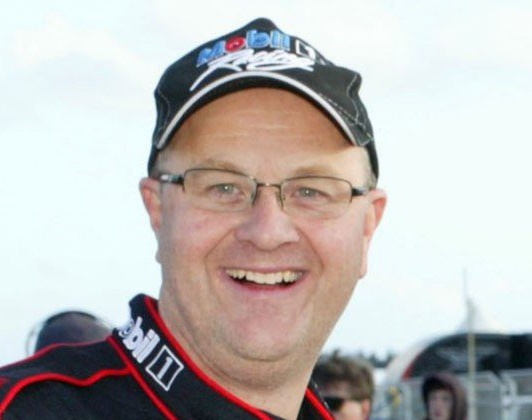
Invercargill-based businessman and philanthropist Scott O’Donnell has supported the city’s development for more than 30 years.
As director of HW Richardson Group (HWR), he has held a wide range of managerial roles in the group between 1996 and 2005. From 2006 to 2015 he headed HWR as managing director — leading its expansion into petroleum, rural transport and waste sectors.
In 2016 he was appointed as chief executive.
The Otago Daily Times named him its Business Leader of the Year in 2021 for his contribution to business.
He credited his late father-in-law Bill Richardson as the man who mentored him and who ‘‘knocked all my corporate edges off pretty quickly’’.
‘‘I’m a qualified accountant — I learned more about accounting . . .from my father-in-law, who left school at 15 to become a carpenter.’’
Mr O’Donnell is supporting HWR’s development of green hydrogen, providing an alternative fuel for heavy vehicles, and helped HWR pioneer the first hydrogen-diesel dual-fuel truck in New Zealand, contributing to the decarbonisation of heavy vehicle transport.
As chairman of Invercargill Central, he led a joint venture between HWR and the Invercargill City Council — a $180 million redevelopment of the city centre — a development he said would be a ‘‘game-changer’’ for the city.
After watching his father’s battle with dementia, Mr O’Donnell became determined to ensure people like his father could access the best possible care. This led to his involvement in the Hawthorndale Care Village, a dementia and elderly care facility.
He has supported the development of tourist attractions in Invercargill, including the Classic Motorcycle Mecca, Toot Sweets, Bill Richardson Transport World and The Lodges at Transport World.
He holds governance positions as chair of Blue Sky Pastures and having served on the board of MotorSport New Zealand since 2016, and is a promoter of Invercargill’s George Begg Motorsport Festival.
Mr O’Donnell’s particular passion is motorsport, including owning racing cars, — something he inherited from his parents, who were longtime members of the Southland Sports Car Club. From a young age, his job had been to open the track crossing gate at Teretonga Park.

Arrowtown Speech-language therapy
A pioneering speech-language therapist who spent more than 30 years dedicated to Augmentative and Alternative Communication (AAC) hopes her King’s Birthday honour shines a light on her field, and the technology used to help people who struggle to communicate verbally.
Ann Smaill, 67, of Arrowtown, who was recently made a life member of the NZSTA, has been recognised for her 50 years’ service, during which she became the first speech-language therapist in New Zealand to focus on combining technology and communication, building the systems, workforce and funding structures to make AAC devices available to those who need them.
Since retiring at the beginning of this year, she has led the Tua o te Pae Project, developing synthetic te reo Māori voices for AAC devices.
After joining TalkLink in Auckland in 1992, she went on to establish TalkLink in Christchurch in 1999, in Wellington in 2002, and launched KiwiChat camps, which now support more than 500 participants annually.
Mrs Smaill was also TalkLink chief executive from 2007 until 2022, growing the organisation’s income from $250,000 to more than $5 million, a founding member of the Assistive Technology Association of New Zealand, and contributed to Auckland, Massey and Canterbury university programmes for speech-language therapy and special education students.
Of being made an Officer of the New Zealand Order of Merit, she said it was ‘‘a bit overwhelming’’.
‘‘I guess the thing for me is that I hope it shines a light on the work that speech-language therapists do and, in particular, the area of [AAC] technology . . .it’s an area that people don’t know a lot about, and it makes a huge difference to the people that we work alongside.’’

Auckland Journalism
Decades of experience in political reporting brought Barry Soper into contact with a dozen prime ministers and the issues and events that shaped their governments.
He wrote a book about that and now he has a King’s Birthday honour, becoming an Officer of the New Zealand Order of Merit. Born and raised in Gore, Mr Soper said he was a case where the political system ‘‘gets into your blood’’.
‘‘The longer you do it, the more you understand the system . . .the more the public should be able to rely on your opinion or your view of what goes on.’’
Mr Soper reported as part of the parliamentary press gallery for 43 years and he covered major events, including the Fijian coups in 1987 and 2000 and South African president Nelson Mandela’s inauguration in 1994.
Mr Soper, 74, said he was sounded out about a possible honour about 20 years ago and, at that time, decided not to take it up. A key reason he accepted it this time was his nominations came from across the political spectrum, he said. Sworn to secrecy, the Newstalk ZB senior political correspondent did not initially tell his wife, broadcaster Heather du Plessis-Allan.
‘‘Now, she’s very proud of me, but she would have liked to have known, I think, right at the beginning, not later on,’’ Mr Soper said.
He got his start in journalism at The Southland Times and worked for the Otago Daily Times in the early 1970s.
In 2023, the NZ Radio Awards honoured him with the industry’s premier award, for making an outstanding contribution to radio.

Glenorchy Conservation and dark sky sanctuaries
Leslie Van Gelder gets the drive for her work on conservation and dark sky initiatives from living in the natural beauty of her adopted home in Glenorchy.
Dr Van Gelder, 57, regards herself as just one of many residents in the township who are heavily involved in environmental projects, but admits her enthusiasm for new initiatives makes her something of a ‘‘trouble-maker’’.
‘‘I think nobody in Glenorchy takes for granted living in a place of such amazing landscapes.
‘‘The natural world dominates our lives, and I think as a result, people feel a really, really strong sense of kaitiaki, and opportunities to help do that work in a strategic way are endlessly available to us.’’
The New York City born-and-raised archaeologist, who settled in Glenorchy in 2008, said as a migrant it was ‘‘incredibly moving to me to be recognised in the country I chose to live in’’.
She holds several governance roles for the promotion and protection of southern dark skies, including chairwoman of the Ta¯huna Glenorchy Dark Skies Group and trustee for the Winterstellar Charitable Trust.
She led a five-year community effort that last year resulted in a vast area at the head of Lake Wakatipu attaining International Dark Sky status, making it the 23rd dark sky sanctuary in the world.
She was also selected as a representative for Tāhuna Glenorchy on the international Preserving Legacies initiative, providing strategies for local leaders to assess and respond to climate risks in 12 significant sites globally.
She is a founder and co-chairwoman of the Southern Lakes Sanctuary, one of New Zealand’s largest conservation projects; served as executive officer for the Whakatipu Wildlife Trust from 2018 to 2021; and has been a committee member of Forest & Bird’s Central Otago Lakes branch and a member of the Mayor’s Vision 2050 task force.
She is chairwoman of the Queenstown Lakes District Climate Reference Group, and has contributed to regional strategic advisory initiatives, including Queenstown’s economic diversification plan, destination management plan and the creativity, heritage and culture strategy.
MNZM
Dunedin Music and music education
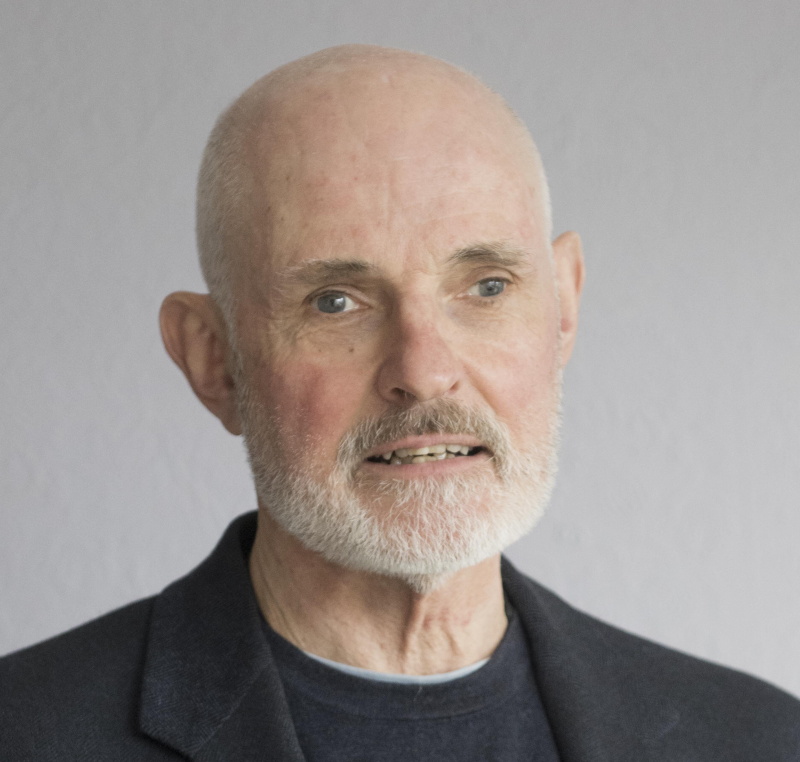
Emeritus Prof Peter Adams was ‘‘a little overwhelmed’’ after being awarded an MNZM for services to music and music education.
The 68-year-old clarinettist, conductor, composer and educator has served the Dunedin and national music communities for more than 38 years, and said it was ‘‘pretty humbling to be recognised for doing something that’s simply been part of my life’s work — a very enjoyable life’s work’’.
‘‘I feel deeply honoured — honestly, I’m a little overwhelmed by it.’’
Prof Adams taught at the University of Otago School of Performing Arts for 33 years, and has been musical director for many musical organisations in Dunedin, including St Kilda Brass, City Choir Dunedin, the Dunedin Symphony Orchestra, Opera Otago and the Dunedin City Wind Orchestra.
He was a founding member of the Dunedin Youth Orchestra as a clarinet player in 1972, and has been its conductor for the past 35 years.
He has also conducted the National Secondary Schools Symphony Orchestra, the National Youth Brass Band for four years and at many national summer schools, including the Waitaki Summer Music Camp since 2008.
He has also served as an adjudicator at regional, national and Australian music competitions.
As a composer, he has written many works for a wide range of instruments, which have been published and recorded.
‘‘I’ve had the privilege of working with wonderful musicians and students and young people and older people, in all sorts of musical communities, and I think this recognition really belongs to all the people I’ve shared that journey with,’’ he said.
‘‘Music brings people together and changes lives, and if I’ve contributed in some small way to doing that, then I’m very pleased.’’

Dunedin Gastroenterology
Emeritus Prof Gil Barbezat has one piece of advice for future students — don’t lose your enthusiasm.
It’s advice that has served him well throughout his career, and has led to him being made a Member of the New Zealand Order of Merit.
‘‘I got this letter and the first thing I thought when I saw the official thing [was] ‘oh gosh, somebody speed-trapped me or something’,’’ Prof Barbezat told the Otago Daily Times.
‘‘But when I found out, I was blown away, honoured and also humbled.’’
Prof Barbezat is internationally renowned in his specialist field of gastroenterology, retiring from university and public hospital practice in 2003 and remaining involved in public health advocacy.
During the 1980s and 1990s Prof Barbezat led and developed the department of gastroenterology at Dunedin Hospital when the field was emerging as a distinct sub-specialty, while developing an academic gastroenterology unit in parallel at the Dunedin School of Medicine at the University of Otago.
He said he could not have achieved his accomplishments without the support of his wife and family.
‘‘They sacrificed a lot and we worked as a team and that is really fantastic.
‘‘Also, I’ve had wonderful teachers. My colleagues with whom I’ve worked, the students who provided a lot of stimulus and interest and tried to keep me young. I’ve had a lot of support.’’
He was the New Zealand representative on the World Gastroenterology Body from 1986 to 2003 and served on the executive of the New Zealand Society of Gastroenterology for 10 years, with two years as president. He chaired the Specialist Advisory Committee for Gastroenterology of the Royal Australasian College of Physicians for five years.
‘‘During my professional career, I had the opportunity to meet many distinguished researchers and clinicians and the striking ones were humble people who were very helpful and displayed interest and contributed towards teamwork in working towards one’s future.’’
He remains interested in his field, and has been a regular contributor to a variety of organisations since his retirement, including as an adviser to Pharmac. He has also had roles as deputy chairman of Age Concern Otago from 2013 to 2017, medical adviser to Healthcare Otago Charitable Trust and patron since 2014 of the Otago Medical Research Foundation.
‘‘If you feel you’re lagging and just marking time, you’ve lost the plot.
‘‘Remember, for all of us, that if we have clinical responsibilities, we’re here to serve our patients and the community.
‘‘Lastly, in all that you do, remember that your students and patients are watching you and you need to be a positive role model.’’
MNZM
Wānaka Athletics
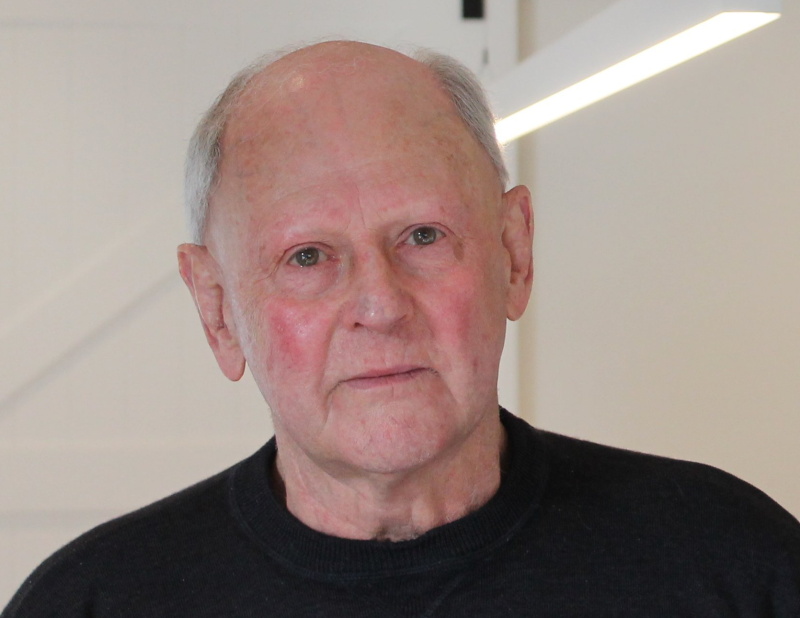
Wānaka’s Michael Beable and Barbara Beable, have been appointed as Members of the New Zealand Order of Merit (MNZM) for services to athletics.
Dr Beable said he was ‘‘blown away, humbled, surprised, and very honoured’’.
‘‘It’s just nice to feel appreciated,’’ he said.
Mrs Beable said she was ‘‘incredibly humbled.’’
‘‘I’ve always looked at these awards in the past and how amazing they were as an institution, but to be put in amongst all these people that have achieved so much . . .its just incredibly humbling.’’
Dr Beable had significant success as an athlete, holding the Wellington long jump record for 16 years, and was selected twice for New Zealand international teams, but his primary contribution to athletics has been through coaching.
He coached athletes to 133 national titles at New Zealand Open and Secondary School level; 55 represented New Zealand, with some competing at Olympic and Commonwealth Games and world championships.
Dr Beable has also held national coaching roles, including head coach for the New Zealand team to the Pre-Commonwealth Games International Meeting in Brisbane in 1981, and auxiliary coach at the 1990 Auckland Games.
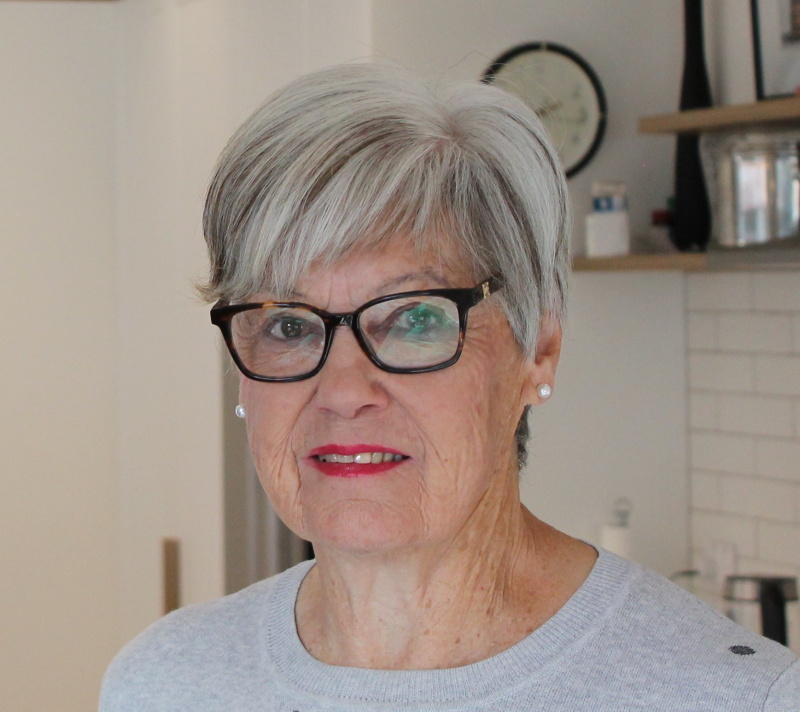
Dr Beable is currently the coach of present four-time New Zealand national long-jump champion Shay Veitch.
In 2022 he was awarded Athletics New Zealand’s highest coaching honour, the Arthur Eustace Award for Coaching.
Mrs Beable’s honour for services to athletics was described by her husband as ‘‘well deserved and long overdue.’’
Her contribution to athletics came primarily as an athlete, winning 16 senior individual New Zealand championship titles between 1966 and 1978, including nine in the pentathlon and seven in shot put.
She represented New Zealand at three Commonwealth Games, winning silver in the shot put in the 1970 Edinburgh Games, with a highest international ranking for pentathlon of 4th.
As head of physical education for 26 years at Queen Margaret College, Wellington, she introduced modern fitness programmes that underpinned the sports and recreational programmes, and was a member of the pilot group that pioneered physical education as an academic subject.
Alongside Dame Lois Muir and the Capital Shakers netball team in the early 2000s, she worked as strength and conditioning coach, introducing the players to techniques and processes that now form the basis of modern training programmes.
Since retiring to Wānaka in 2016, the Beables have continued to work with young athletes at the Aspiring Athletics Club.
Club chairwoman Kirsten Wyatt said ‘‘Michael’s passion for the sport, his commitment to the athletes and the countless hours he has given to the club will make a lasting impact and have helped shape the club into what it is today.’’
Ms Wyatt said that while many of the club’s members would know Mrs Beable as a coach, her contribution goes far beyond what happens on the track.
‘‘Barbara has played a huge role in supporting the club through funding and grant applications — work that often goes unseen, but is absolutely vital to keeping everything running and growing,’’ Ms Wyatt said.

Invercargill Governance and community
During his public service career, Mervyn English held multiple leadership roles in the New Zealand Electricity Commission, State Services Commission and the Treasury’s State-owned Enterprises team.
He was Department of Conservation deputy director-general, leading the transition of governance of the Urewera region to Ngāi Tūhoe.
Prior to retiring, he was also a board member of the Energy Efficiency and Conservation Authority.
Good leadership was evident if people followed, Mr English said.
‘‘Most people I’ve ever worked with just want to do a good job. As a leader, if you enable them to do their job, rather than get in their way, then you create a lot more satisfaction in their lives — that is a fundamental part of leadership.’’
Mr English said he believed the recognition also belonged to his family and colleagues.
‘‘I’ve had some very good teams of people working for me . . .it’s quite humbling . . .because no-one ever does a good job by themselves.
Since retirement, he has served as a director of Invercargill City Holdings and a strategic adviser to Ngāi Tahu’s Murihiku Regeneration, assisting local ru¯nanga.
Mr English said even from a junior position, he was exposed to both good and bad governance which taught him about the responsibility of looking after an organisation.
‘‘I feel that’s a very important responsibility and you have to exercise it with integrity.’’
Failing to make hard decisions at the right time could lead to worse long-term consequences.
The combination of governance experience alongside his passion for mountaineering inspired by a rural Southland upbringing exploring the Southern Alps, led to him becoming a trustee of the Dingle Foundation and the Sir Edmund Hillary Outdoors Education Trust.
He is still struck by how cold and calculating he became when he was faced with leading two seriously injured climbers to safety who had been hit by an avalanche.
Absolute focus and control was essential to survival — emotion was a luxury reserved for safety.
Cromwell Conservation and Search and Rescue
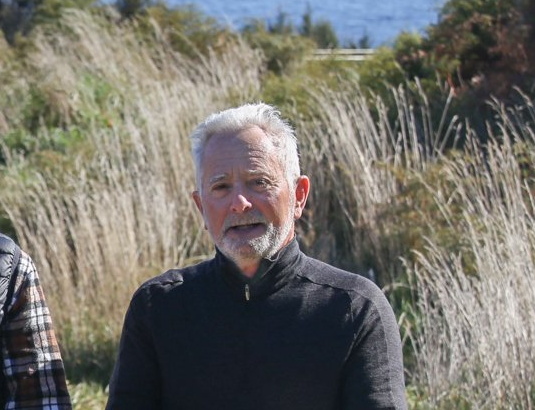
Douglas ‘‘Greg’’ Lind was both humbled and surprised by his King’s Birthday Honour.
‘‘I feel incredible privileged to have received the recognition, and even more so to live in New Zealand when receiving it.’’
Born in Tauranga, Mr Lind and his family spent decades working and travelling within New Zealand’s natural environment including the Southern Alps, West Coast, the Catlins and Fiordland.
During his time with the Department of Conservation he led Fiordland National Park, the department’s largest district, before finishing as operations manager in Te Anau. His earlier work as area manager of Doc’s Southern Islands team laid the groundwork for some of New Zealand’s most successful predator eradication programmes, including the Campbell Island rat eradication.
Along the way he spent four and a-half years based on Stewart Island with wife Sue and their three children. Mrs Lind typed his reports, mowed reserve lawns and guided visitors. ‘‘She was a big part of my ability to pursue my passion,’’ Mr Lind says.
Protecting the hoiho penguin was one of many battles Mr Lind and his team faced.
When colonies began declining, Mr Lind and his team fenced 60km of Catlins coastline to protect the birds from livestock and habitat destruction.
Beyond Doc, Mr Lind founded the Routeburn Dart Wildlife Trust in 2014, having established the Queenstown Heritage Trust in 2013.
This led to restoration projects at the Arrowtown Gaol and Bullendale Dynamo.
He also founded search and rescue groups in the Catlins and on Stewart Island through the late 1980s and early 1990s. Since retiring from Doc in 2019 he has joined the Mokihi Reforestation Trust as a trustee.
Mr Lind was the founding chairman and current co-chair of the Southern Lakes Sanctuary Trust, a coalition of six conservation trusts running predator control across 800,000ha with 800 volunteers.
He is blunt about the current political climate.
‘‘We are going backwards, and we can’t afford to. We need the government to see this: New Zealand relies on what makes it special.’’
The bright spot, he said, was the people.
‘‘It lifts your soul to be around people who are passionate about what they do, and I feel very privileged to do the work I do, with those I do it with.’’

Invercargill Māori and governance
Terry Nicholas (Ngāi Tahu, Tainui) has served the Murihiku-Southland region from the Gore District for more than three decades in leadership roles.
Mr Nicholas has held leadership roles with Hokonui Rūnanga, one of the 18 Ngāi Tahu rūnanga, including as executive coordinator since 2000 and trustee of its charitable Hokonui Rūnanga Health and Social Services Trust since 2003.
He played a key role in strengthening the rūnanga following its Treaty settlement, helping grow it to support more than 13,000 members. In 2023 he was appointed upoko of Hokonui Rūnanga, a customary leadership role focused on protecting and enhancing opportunities for members and hapū. He said the honour reflected the work of many people rather than an individual achievement.
‘‘I couldn’t have done that without all the support [of my whānau].’’ He describes himself as one ‘‘who just likes to get on and do things’’ and said seeing Ngāi Tahu grow from $180 million into a multi-billion dollar industry had been a ‘‘defining moment.’’
His long-term vision leadership approach has centred on collaboration. ‘‘You’ve got to work in the national interest — you can’t work in silos.’’ In 2020, Mr Nicholas helped establish Murihiku Regeneration — an initiative focused on regional development.
‘‘I just know the opportunities that are there before us to drive this province,’’ he said. As portfolio manager, he has supported energy, infrastructure and industry projects while strengthening intergenerational outcomes and iwi values.
He is a longtime advocate for rangatahi, helping develop pathways for youth engagement, leadership and participation.
Active in community work since 1989, he continues to serve across multiple governance roles — strengthening cultural, social and economic aspirations for wha¯nau and the wider Murihiku community.
Māori Development Minister Tama Potaka said Mr Nicholas’s long-standing leadership within Murihiku had supported Māori development, governance capability and opportunities for future generations.
His work strengthened community wellbeing, regional development and pathways for rangatahi leadership and participation.
Creating opportunities for young people remains a key driver, Mr Nicholas said, pointing to the need for economic growth to support future generations.
‘‘That’s what drives me,’’ he said.

Dunedin Fire and Emergency New Zealand
Michele Poole was caught a little off-guard when she was asked how it felt to be awarded an MNZM for her services to Fire and Emergency New Zealand (Fenz).
‘‘For somebody who works in communications, I should have had a statement ready — but I don’t.’’
The 65-year-old Fenz senior regional communications and engagement adviser has contributed to some of New Zealand’s most significant emergency responses over the past 30 years, including the Christchurch and Kaikōura earthquakes, the Whakaari/White Island eruption and Cyclone Gabrielle, as well as major emergencies in New South Wales and Queensland, Australia.
Ms Poole is a team member of the National Emergency Management Agency (Nema), Fenz Urban Search and Rescue command and technical support, Maritime New Zealand national oil-spill response, and represents Fenz on the Australasian Fire and Emergency Service Authorities Council public information and warnings group.
She was also instrumental in establishing the nation’s Emergency Media and Public Affairs organisation, chaired its conferences from 2014-2021, and was made a fellow of it.
Ms Poole said she felt ‘‘really conflicted’’ about the honour.
‘‘When I look around me, there are people who put their lives on the line every day to rescue other people in an emergency.
‘‘I don’t see that I’m one of them.
‘‘But helping people understand what’s happening and giving them good, timely advice about what they can do, it can make a difference to people’s survival, and certainly it can reduce the distress that they feel if they can understand what’s happening and why it’s happening.
‘‘I hope I’ve been able to make a difference in people’s lives.’’
KSM

Invercargill Local government, arts and the community
Rebecca ‘‘Becs’’ Amundsen was overwhelmed when she read the email saying she was receiving a King’s Service Medal.
‘‘Initially I thought it was a scam . . .once I found out it was real I was confused, but it does give you a warm fuzzy feeling.’’
She has provided long-standing support for the development of the arts in Southland through her role with the Dan Davin Foundation Literary Foundation and Arts Murihiku Charitable Trust.
During her time as Invercargill deputy mayor and city councillor between 2013 and 2022, her effort was focused on community engagement.
She has had a hand in many community projects and is well known for advocating for housing vulnerable members of the community, social services through Connected Murihiku, and was an early advocate for community-led development.
The suburb of Glengarry has also been a focus for her and she has helped encourage and establish community events like the Glengarry Community Market, beautification of the area, art projects, and an annual family event.
Through her involvement with the National Council of Women and KIND Women, she continues to advocate for women’s rights and working towards a more equitable society.
She spearheaded the Southland Oral History Project from 2008 to 2017, securing funding and providing training for people across the region to record interviews for historical purposes.
She is also an advocate for heritage and helped initiate and drive the annual Southland Heritage Month.

Dunedin Community
Amelia Bresanello says it is a privilege to help children in need across Otago.
She has been awarded the King’s Service Medal for services to community, recognising her volunteer work with Dunedin’s Edmund Rice camps.
Ms Bresanello (Kāi Tahu) said it was an honour, albeit overwhelming, to receive the award.
‘‘Yes, it’s a huge honour for me, but also for all of our hundreds of volunteers that have volunteered over time.’’
The six-day camps for Otago children in need began in Dunedin in 1991, following an international model.
Unlike some camps overseas, Dunedin’s version is fully volunteer-run, with as many youth volunteers as there are children.
Ms Bresanello began volunteering on the third camp — ‘‘now we’re camp number 168’’ — and has served as chairwoman and administrator of the camps ever since.
During the camps, she takes-up the role of camp coach.
‘‘I’m there for guidance, mentoring so . . . our young volunteers, they’ve got the support they need to do a really hard job for a week.
‘‘I feel really privileged to be in a position where I still can do it and help the kids in our world.’’
With other members of her whānau now volunteering at camps, Ms Bresanello said the award had a sense of family about it.
She also thanked Trinity Catholic College, where she teaches, for its support of the camps.

Mosgiel Rail heritage
A trip to Tahakopa in the Catlins when he was 9 sparked an interest which has never left Dunedin man Grant Craig.
Mr Craig has been awarded a King’s Service Medal for services to rail heritage.
It was in 1971 when his interest in railways began when he went with his mother and her friend on the train in the final trip to the end of the Catlins line.
That interest has not waned in the following 55 years.
Mr Craig joined New Zealand Railways in 1979 and held many positions including Ranfurly stationmaster, where he fostered his interest in recording railway history.
In 1999 he became operations manager at Dunedin Railways, formerly Taieri Gorge Railway, where he managed a complex system and the number of passengers almost tripled.
He has volunteered with the Otago Railway and Locomotive Society since 1978, Dunedin Gasworks Museum since 2001 and has been President of the Otago Vauxhall Owners Club since 2012. He was an early member of the Otago Excursion Train Trust and became deputy chair in 2020.
Since 2011 he has chaired the Federation of Rail Organisations of New Zealand (Fronz), providing guidance for the growing number of heritage rail-based groups and liaising with KiwiRail and the New Zealand Transport Agency regarding safe operation of railways. He has reinvigorated Fronz’s heritage technical committee and heritage operating committee.
He said the railways industry was an interesting one to be in because it’s very political and very regulated.
‘‘So you’re always doing things because the government changes its mind on policy. New railways downsize — and new managers. You’ve got to negotiate your way through that,’’ he said.
He said there was a bit of a renaissance after the pandemic of rail touring within New Zealand.
It was nice to be awarded for all the work he had done and for the administration carried out over the years, he said.

Invercargill Construction industry and cricket
Bill Donaldson’s decades of contributing to Southland landmarks and community cricket have been recognised with the King’s Service Medal.
Born and educated in Invercargill, Mr Donaldson began a building cadetship with Fletcher Construction in 1968 at age 17 and secured construction and quantity-surveying qualifications locally before becoming Southland contracts manager aged 27.
He founded Donaldson Construction Services in 1995, after Fletchers withdrew from regions including Southland, to provide civil, residential and commercial construction services throughout Southland and Otago.
Over the decades, he was involved with or oversaw major work at commercial, public and heritage sites including Southland Hospital, Southern Institute of Technology, St Mary’s Basilica, Invercargill’s Civic Theatre, WEA building and Anderson House and Te Hikoi Southern Journey in Riverton.
Mr Donaldson worked closely with organisations including Site Safe New Zealand to establish formal workplace safety standards and education.
‘‘Involvement in Southland heritage projects has been extremely satisfying,’’ he said, ‘‘Being an early member [of] the Otago-Southland liaison group of Site Safe New Zealand was especially rewarding.’’
Mr Donaldson has also contributed more than half a century to Southland cricket as a player, administrator and historian.
He is former president of both the Southland Cricket Association and Appleby Cricket Club, and compiled records from more than 1200 matches dating back to 1900 to co-author Appleby’s centennial history Across the Centuries.
Bill Donaldson KSM retired from construction last year but keeps his hand in as a life member of both cricket organisations.

Dunedin Niuean community
When Vaitoelau Kumitau found out she would be getting the King’s Service Medal, her first thought was: ‘‘Why?’’
Her niece broke the news to her over the phone.
She told her aunt a lot of people were talking about her, including at the University of Otago, and about all the support she had given to Dunedin’s Niuean community.
But Ms Kumitau, a respected elder in the Niuean community and an early childhood teacher, said she did not help people simply for the recognition.
‘‘I’m not doing it for something, I do it for my heart.’’
Some students who moved to Dunedin missed their family and lacked support.
It was all about ‘‘love and caring’’ for her, Ms Kumitau said. ‘‘I used the love that God gave me. ‘‘I think that’s why God gave me the power to go study at the university, to prove that.’’
Ms Kumitau has been a Niuean elder of the Pacific Islands Presbyterian Church in North Dunedin since its establishment in 1992, where she mentors youth and supports Niuean theological students and their families.
She supports scholarship students studying at the university and Knox College by providing practical support and preparing traditional Niuean meals to ease homesickness.
Ms Kumitau is also a founding member of Pacific Trust Otago and has worked alongside the Vagahau Niue Trust to elevate the visibility of Niuean culture at a regional level.
She is a leader in efforts to revitalise Niuean culture and language, using storytelling, songs and community events to help younger generations connect with and celebrate their heritage.
She supports researchers to contextualise Niuean artefacts in museum collections, ensuring cultural narratives are accurately represented.
In 2024, Ms Kumitau was among 50 influential Niueans honoured as part of the Niue 50th Constitution Day celebrations, in Auckland.

Arrowtown Music education
Long-time Wakatipu High School music teacher Alison Price says her King’s Birthday honour actually recognises the ‘‘role of music and art’’ in education.
A music teacher for more than 25 years, she’s been Wakatipu High School’s head of music since 2001 and became head of arts learning in 2023.
Over the years her students have collected a haul of gold medals at South Island jazz competitions, enjoyed success in the Smokefreerockquest and Play It Strange competitions, and performed at an array of events, festivals and concerts.
In 2014 she co-founded the Lakes Music School — now Turn up the Music Trust — which offers after-school music tuition for children, and has championed and codirected programmes offering subsidised lessons, instrument access and ensemble opportunities to make music accessible.
It has grown to involve 26 teachers supporting more than 300 children learning across 14 different instruments.
Mrs Price also created the Play.Music programme for primary teacher development in 2020, through which she has trained teachers, organised school visits with musicians, and designed curriculum that integrates music with literacy and numeracy.
Of her King’s Service Medal, Mrs Price said there were ‘‘many others’’ who were equally deserving.
When asked what she was most proud of, she said it was watching you people gain confidence and life skills through music.
‘‘Music is really, as is the arts, a vehicle for so many other things.
‘‘I never actually really thought of teaching music as just about music — it was a lot about these skills of resilience, working it out, working hard . . .working with others, finding your voice, the emotional connection to it all.
‘‘That’s what it’s all about for me.’’
Wānaka Coastguard and Search and Rescue
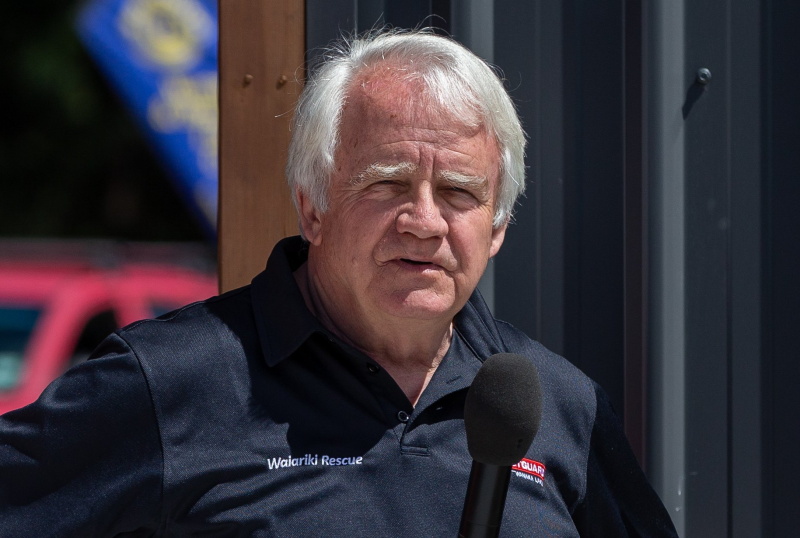
Jonathan Walmisley’s King’s Service Medal is his second royal honour, after being made a Member of the Order of the British Empire (Military Division) in the United Kingdom Queen’s Birthday honours list back in 1987.
The Wānaka man said he was deeply honoured, and genuinely surprised by the recognition.
Mr Walmisley said he had always taken a ‘‘people first’’ approach to his work.
‘‘There’s a real buzz about being part of a volunteer group all working towards the same aim.’’
Born in Greece, Mr Walmisley joined the British Army at 18, training at Royal Military Academy Sandhurst as an officer cadet before serving in the Armoured Engineers.
He met his Kiwi wife Dorice in the UK and the pair eventually settled in New Zealand, where he built a career in the polytechnic sector, becoming chief executive of Telford in Balclutha before eventually retiring to Wa¯naka.
He joined Coastguard Wānaka Lakes as a volunteer in 2011 and by 2014 was president — a role he held for 10 years before stepping down late last year.
In that time Mr Walmisley led a major transformation of the unit, growing its active membership and overseeing new vehicles and a purpose-built facility. He spearheaded fundraising that raised more than $1 million in five years to build the Marine Rescue Centre, providing dedicated training rooms, vessel storage and maintenance, and a monitored incident response room.
He also facilitated a joint incident management and LandSAR team to ensure a permanent co-ordination centre on the lake, and worked alongside New Zealand Police on search and rescue exercises.
Beyond the local unit, Mr Walmisley served on the Coastguard Southern Region board — including two years as president — and was a member of the Royal New Zealand Coastguard Board from 2018 to 2020. He has been a senior instructor for Coastguard New Zealand since 2016 and an instructor for NZSAR since 2018.
A motto that has carried with him from his military days at Sandhurst is to ‘‘serve and lead’’.
‘‘I’ve had that at the back of my mind in everything I do. To just to do the best you can always is all we can ask for.’’
Now in his 15th year with the Coastguard, Mr Walmisley is still volunteering as a member and instructor, and recently became a trustee of the local community hub. He is quick to share the credit.
‘‘It’s a team of really well-meaning volunteers all working together for the best outcome, and I feel honoured to be a part of it.’’
Gore Rural communities and mental health
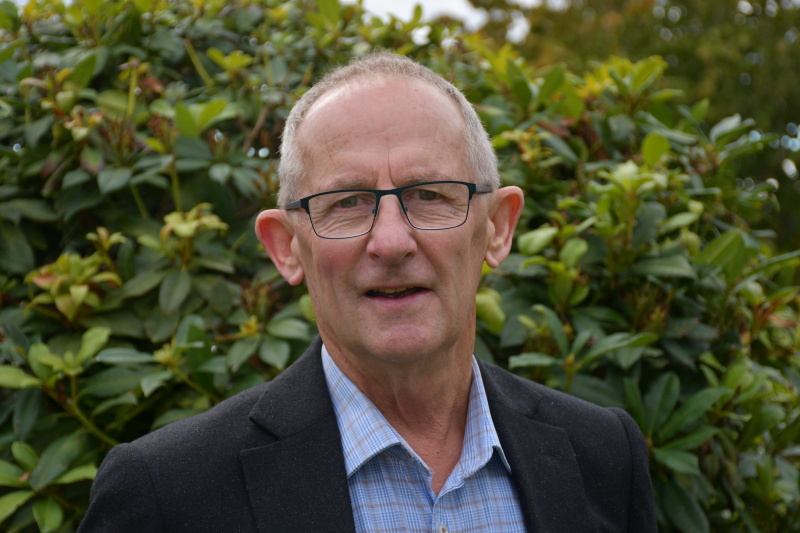
Gore farmer Lindsay Wright took his mental health struggles and turned them into service of the Southland rural community for more than two decades.
Mr Wright was born in Mosgiel and at 3 months old, moved to his grandfather’s in Wendonside, about 50km from Gore.
After studying at the University of Canterbury and working overseas, he returned to the farm to work in 1981 and has been there ever since.
In 2005, struggling to balance the books on the farm, he fell into depression.
‘‘It just felt like a rock was growing in my chest every day, getting bigger and bigger and heavier — by the time I went to a counsellor I could hardly breathe,’’ he said.
The therapy helped him decide to lease out his farm in 2006.
About a year later, his experiences led to the creation of a rural mental health initiative, which still runs today.
A dozen years ago, he set up a rural mental health literacy workshop programme called GoodYarn, which encourages farmers to be open about the pressures of the job.
In total, about 24,000 people throughout the country have attended the wellbeing workshops, Mr Wright said.
He is also one of the inaugural trustees of the Rural Support Trust, which was set up in 2008.
During the outbreaks of animal pathogens Bonamia oestra and Mycoplasma bovis in 2017, he advised people who had lost their jobs and businesses.
He also assisted people in the aftermath of natural disasters, such as the 2010 snowstorm and the 2020 floods in Southland.
He retired from his duties with the Rural Support Trust last year, and recently stepped down from running the GoodYarns workshops.
He said being awarded the Kings Service Medal was ‘‘gratifying’’ and ‘‘humbling.’’
‘‘A lot of it has come from just working with people . . .you’re one part of a big machine,’’ he said.


