
PHOTO
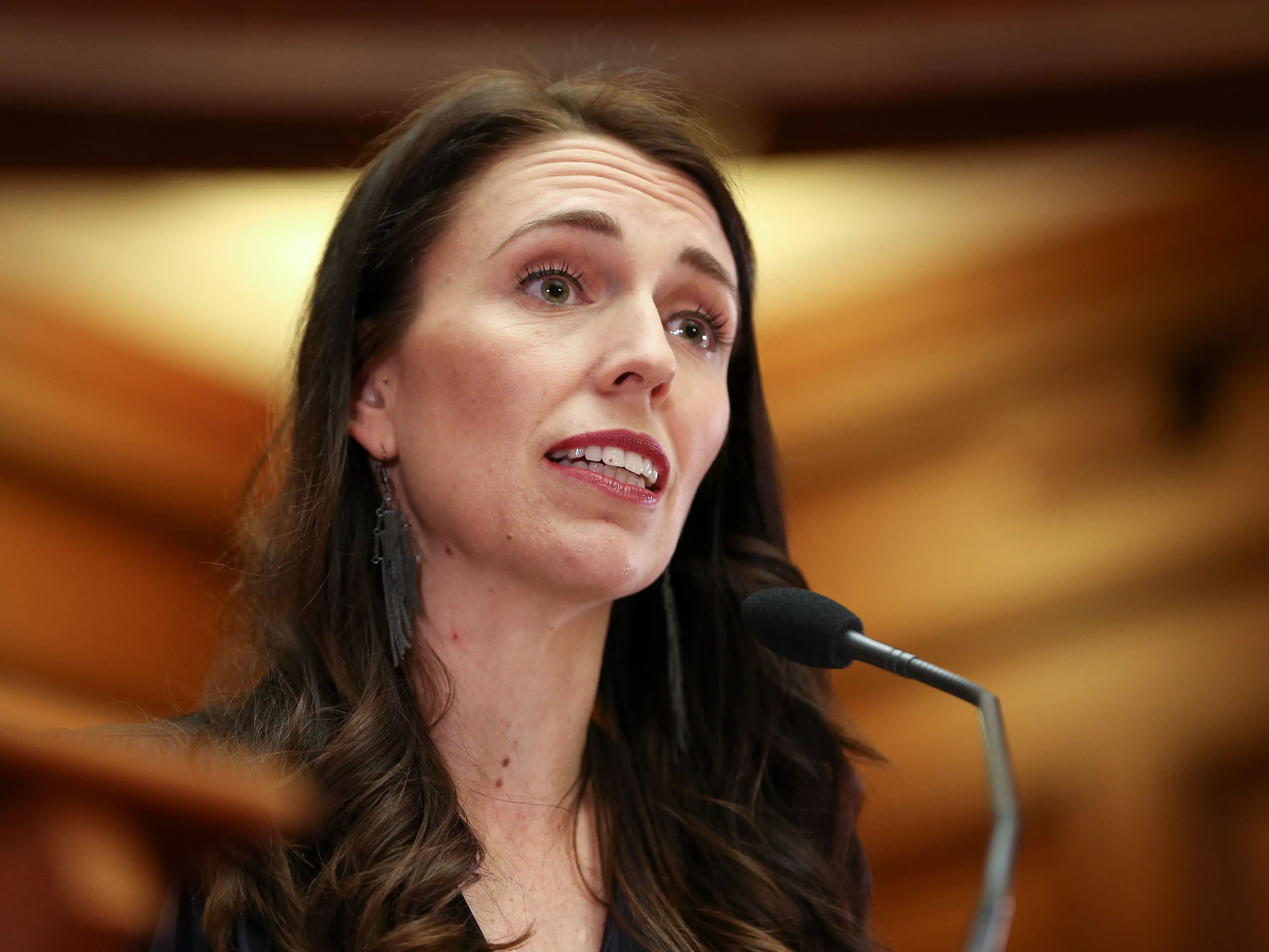
The new Government was sworn in today and the enlarged executive will take up the new roles with huge expectations of significant changes being implemented.
New prime minister Jacinda Ardern says New Zealanders voted for a change, despite nearly one million people voting for the status quo.
She has stitched together a coalition with New Zealand First which has the support of the Green Party outside of cabinet. This will be a time for patience from voters as the new administration starts its first 100 days of office.
Ms Ardern will spend barely any time in the House before flying to Vietnam to meet other Apec leaders. She has set a tight timetable for her first 100 days in office and that must weigh on her mind and the minds of her new cabinet members.
An air of excitement and expectation surrounds the new Government. Criticism from ardent opponents of Labour has been mainly muted because anticipation of how change will be implemented is now at high levels.
Labour always has the ability to generate great expectations, stretching back to Michael Joseph Savage, through to Norman Kirk and David Lange. Inevitably, processes of government do not always go smoothly and many in Labour felt cheated by the rapid change brought in by the 1984-87 government. Labour never really recovered from that term, although the Lange, Geoffrey Palmer and Mike Moore government hung on until 1990.
Ms Ardern will be aware of previous stumbles for Labour and will not want to see her own aspirations disappear during her first term as prime minister.
There is a return to some common sense roles for her new ministers. Primary industries are returning to their former identities of agriculture, fisheries and forestry.
There is a large emphasis on fisheries and forestry within NZ First. NZ First leader Winston Peters wants to establish a Ministry of Forestry headquarters outside of Wellington, possibly in Northland and his MP Shane Jones has a close association with the fishing industry. Mr Jones will become the minister of forestry later today, along with having responsibilities for infrastructure and regional economic development.
With 31 members of the new executive, it is believed to be the largest on record. With a large executive comes a large number of officials - a sign Labour and NZ First will be restocking the ranks of the public service.
There is a ring of common sense about the allocation of portfolios and some interesting choices. Kelvin Davis will become minister for Crown/Maori relations, a new portfolio but one which will be critical to Labour retaining the faith of the Maori who voted for the party in such strong numbers.
There will be a focus on the regions, something to be welcomed in the Far North and the Deep South. National received an unwelcome reputation for starving the regions of resources and was a late convert to how important votes in the regions would be to its electoral chances. Focusing its efforts mainly on Christchurch and Auckland paid dividends, but not enough for National to retain the Treasury benches.
Labour and NZ First know their futures lie in ensuring the so-called urban/rural divide is closed quickly and Mr Peters is the key to shoring up support for the coalition in the regions.
The new executive is mainly untested at top level but the nine years in opposition will have been a valuable lesson on being careful about meeting promises. Undoubtedly, there will be disappointment in some sectors because of the huge expectations which cannot all be met.
Ms Ardern was resolutely positive during the election campaign. She rose from being deputy leader of Labour, to leader and a few weeks later she was negotiating to be prime minister. Opponents will underestimate her at their peril. Already she has shown great strength and resolve and there are no indications of her resiling from the challenge of government.