When then opposition leader Christopher Luxon made that pledge it was poo-poohed as being a naive statement from a novice politician. These type of agreements took years, if not decades to negotiate, and a closer economic relationship with a tiny country like New Zealand was hardly going to be a priority for the most populated country on earth.
Mr Luxon has defied those expectations and he, and his ministers, have put an enormous effort into getting a deal in principle over the line in just two years.
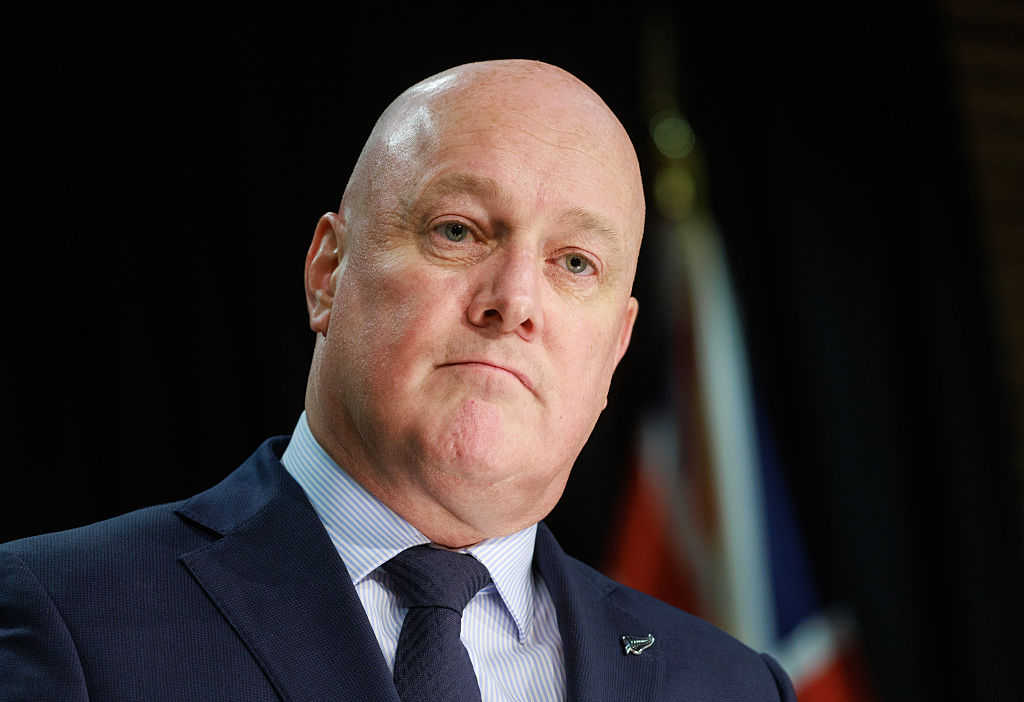 The prime minister made an official trip to India and has struck up a personal relationship with that country’s leader, Narendra Modi which allowed Mr Luxon to press Mr Modi on the matter at subsequent international summits and through phone calls.
Trade Minister Todd McClay is one of the government’s seldom-seen ministers but given he has made a dozen trips to the sub continent in the task of getting this FTA accomplished, as well as hosting his Indian counterparts here, it is obvious why.
When National and its coalition partners took power in 2023 National was light on MPs who had ministerial experience, and even lighter once Gerry Brownlee was elected Speaker.
Mr McClay was one of the party’s old hands and having him return to his former job as Trade Minister, while logical, also meant that his experience would be unavailable for long periods of time due to his overseas commitments.
Had he been in town some of National’s early stumbles might have been avoided, but running that risk has been richly rewarded.
Many other ministers have made trips to India, or hosted Indian ministers, in the process of getting this deal done in what has been a full court press by the government.
Also important in getting the deal done was Foreign Minister Winston Peters, who has been another frequent flyer to India during the past two years.
The fact that Mr Peters immediately condemned the deal and pledged to vote against it as soon as the announcement was made was the only damp squib in the government’s Christmas cracker of an announcement.
Mr Peters "regrettably" invoked the agree to disagree protocol in the coalition agreement to register New Zealand First’s disapproval of the deal.
His objections were that, in his view, New Zealand had given away too much, especially on immigration access to this country, and had not gained enough in return for New Zealanders, especially in terms of dairy access.
While dairy is a vital component of the New Zealand economy it is equally important to India, and one which it has zealously guarded in other trade agreements: indeed, dairy had been considered the main stumbling block to any sort of FTA with India.
Mr Peters is right that our farmers would have hoped for more — tariffs remain in place on dairy products exported to India — but this was likely a situation where something had to give to get any kind of deal across the line.
It is always easier to renegotiate aspects of an already confirmed FTA, as has happened with many of the agreements that New Zealand has signed, than trying to pull together a deal from scratch.
It would be expected that New Zealand would place dairy access on the agenda when the FTA is reviewed. In the meantime though, it promises tangible gains for the horticulture, seafood, wine and several other sectors almost immediately which are not to be sneezed at.
The easing of immigration restrictions involves granting an average of 1600+ three-year work visas per year for Indian professionals, particularly doctors, nurses, teachers, high-tech experts and engineers.
Mr Peters fears that this will keep qualified Kiwis out of jobs but given that New Zealand has existing labour force shortages in many of these sectors — shortages which, particularly in medicine, are about to be exacerbated by retirements — this may well prove an effective way of securing the services of processional whom this country is competing in a world market to secure.
All National needs now is for Labour to vote for the deal. The main Opposition party is being very careful with its language, but can ill-afford the bad publicity which would ensue should it let this landmark deal fall through.