
PHOTO
Towards the end of last year two very important reports on tertiary education and research were released and responses to them by the government were announced.
One proposed far-reaching changes to how universities are organised and funded — many of which the government rejected.
The other proposed a radical shake-up of research funding — most of which the government accepted.
If you did not know that, you are not alone. These significant decisions barely registered at all in the media, and where they did, they disappeared from the web pages within days.
Yet, a good part of the ability to prosper as a nation and to build the success of future generations lies in the matters covered in those reports.
Now that we know the election date is November 7, I have a challenge for anyone who cares about our country’s future. To ask the question of our politicians: where does tertiary education and research fit into your plans for Aotearoa New Zealand?
I can say from experience that sometimes it is hard for universities and students to be heard in our political sphere. This is unsurprising in some ways, in a world with ever more wicked problems, the rising cost of living and with the healthcare sector, schools and others crying out for support.
We must accept and acknowledge the importance of those issues being addressed. Actually, as universities we can help find the solutions to all of them. We need to be clear what we are doing and why it matters.
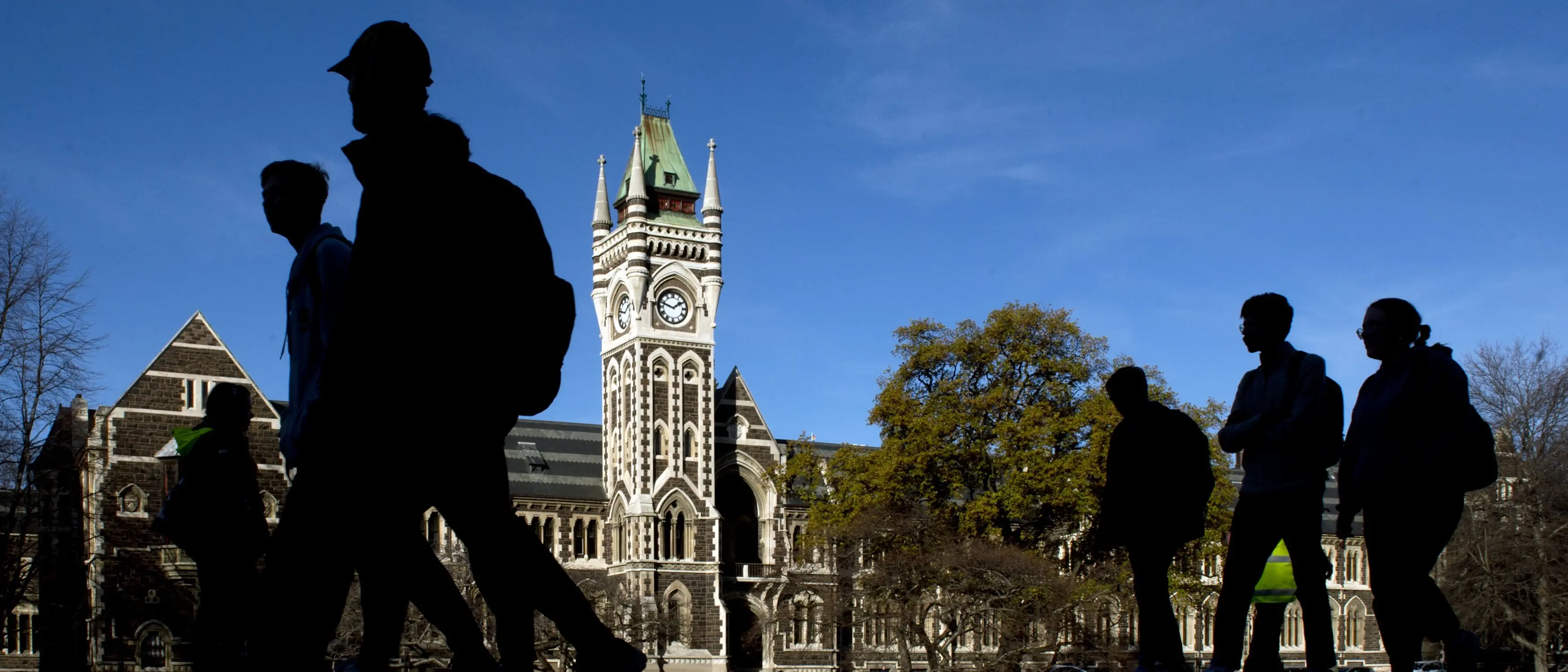
Universities are engines of the knowledge and innovation that drive our economy. At the University of Otago Ōtākou Whakaihu Waka we research the big opportunities and challenges that face our world.
Climate change, cancer, genetics, child wellbeing, AI, indigenous rights and so much more — you name it, we do it. Here at Otago, last year we estimated we had an impact of more than $2billion on the country’s economy.
Other universities will have similar calculations. This year, close to 20,000 young people will continue their education with us, gaining the experiences, the skills and knowledge to shape their — and our — future.
We do well with what we have now. To use the cliche, New Zealand punches above its weight in academia; all our universities are in the top 500 in the world, with Otago in the top 200.
At Otago we have had great success in research funding rounds here in New Zealand and attracting international support. But our future success is at risk.
This year Otago will get less per student funding from the government than last year. The amount of funding we have has not kept up with inflation during the past 10 years.
Governments, including the one I was part of, did not fund universities like Otago to meet the costs that we have, let alone to grow and thrive.
We have also seen cuts to research, including in the past couple of years in the vital work done by humanities and social sciences, and in areas like health research where Otago is so strong.
The answers to this are not all about more money. For example, the reports I mentioned earlier floated the idea of longer-term funding arrangements for universities that would give us the opportunity to plan ahead and make investments, instead of relying on the ‘‘bums on seats’’ approach that changes year to year.
We should also collaborate more across our tertiary sector to maximise the value of investments.
We should also not expect the government to do everything. As other sectors and businesses have had to do, at Otago we have had to make cutbacks.
Those cutbacks have seen many roles disestablished, which inevitably increases pressure and stress on the staff who remain to fill the gaps. We have also recognised the need to be more innovative, hence why we are preparing to expand our offering into the Queenstown Lakes District, why we are becoming more strategic in the way we look to support research and innovation, why we are developing closer partnerships with iwi, industry and philanthropists.
The bottom line is, though, that like every successful country and economy in the world, we need to see a lift in the overall level of investment in our future through education and research.
At the same time we need to ensure our students can thrive. Many of us had jobs to help pay our way through university (shout out to my old South City New World crew), but it’s tough to see some students having to work 30 hours a week to make ends meet. It’s nigh on impossible to study at the level needed to succeed with that commitment.
Meanwhile, some students use that money they earn to pay rent for flats that fail to meet the healthy homes standards.
It’s time to ensure that student financial support reflects the real needs that exist and that reasonable standards for accommodation are met by all landlords.
As the year goes on, I hope there is a conversation here in our region about how we can thrive and the place of the University of Otago in that.
To me, what our university does matters more than ever in a world of uncertainty and challenges to the truth, to evidence and to science.
Let the voice of anyone who cares be added to that conversation so that we can fulfil the mission of our university to be a driver of our future prosperity, of a healthier, more cohesive world and the hope of a better tomorrow.
■Grant Robertson is the vice-chancellor of the University of Otago.